How to create an indoor vertical garden with repurposed mason jars and LED grow lights
Introduction
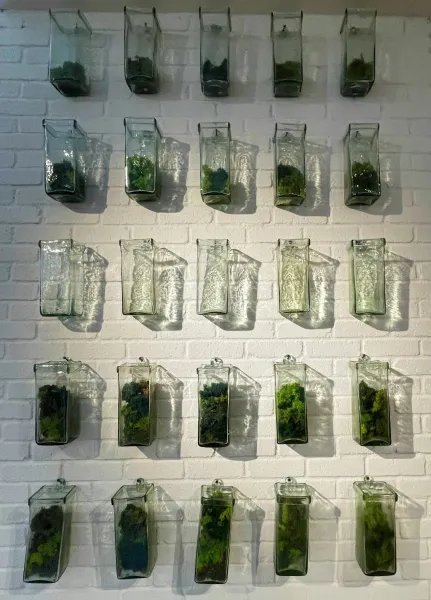
Creating an indoor vertical garden using repurposed mason jars is not only an innovative way to beautify your living space, but it also allows you to grow your own herbs, greens, and small plants with minimal space requirements. As urban dwellers seek to reclaim some natural beauty in their cramped apartments, vertical gardens have surged in popularity. This project merges creativity and sustainability, allowing you to recycle materials that would otherwise go to waste, while also promoting a more sustainable lifestyle by growing your food.
One of the most appealing aspects of this project is the versatility it offers. You can tailor the design to fit your space, choose the plants you love to eat or admire, and even incorporate decorative elements that reflect your personal style. Additionally, integrating LED grow lights ensures that your plants will receive the proper light spectrum for optimum growth, no matter the lighting conditions in your home.
This DIY project is ideal for beginners, as it requires minimal specialized skills, making it approachable and fun. Not only will you develop new crafting abilities, but you'll also harness the therapeutic powers of gardening as you nurture your plants. Plus, there's nothing quite like the satisfaction of harvesting your very own home-grown produce.
Let’s dive into the materials, tools, and steps required to create your indoor vertical garden in a few hours of dedicated effort!
Tools Needed
1. Drill with a small drill bit: You'll need this to create drainage holes in the mason jars so that excess water doesn't accumulate and drown your plants.
2. Screwdriver: Necessary for assembling the vertical garden structure, especially if you're using wooden panels or shelving.
3. Measuring tape: To accurately measure the spaces where you'll hang your jars or the dimensions of your garden structure.
4. Level: This ensures that your vertical structure is straight when mounted, which is crucial for both aesthetics and plant growth.
5. Paintbrush (if painting): Use this if you choose to customize the wooden panels or shelf with a coat of paint or protective finish.
6. Ruler or square: This helps ensure precise cuts and alignments, particularly when arranging multiple mason jars.
7. Safety goggles: Always important when using power tools, these provide protection for your eyes while working.
8. Gloves: Protect your hands particularly when handling soil and installing the jars.
Materials
1. Repurposed mason jars: 5–10 jars, depending on how extensive you want your garden.
2. Wooden board or pallet: 1 piece (Choose according to the number of jars, approximately 24" x 48").
3. Screws or nails: At least 20, for securing the jars and assembling the vertical structure.
4. Potting soil: 1 bag (Keep in mind the size of the jars; you may not need all of it).
5. Plants or seeds: Options include basil, mint, chives, small tomatoes, or succulents—5 plants total.
6. LED grow lights: 1–2 strips (Adjust quantity based on the number of jars and size of the boards).
7. Plastic or rubber washers: 10 to avoid crushing the jars when tightening screws/nails.
8. Water tray: 1 tray for catching excess water under the garden structure.
9. Decorative items (optional): String lights, stickers, or paint for the jars or boards.
10. Fertilizer: Organic or slow-release fertilizer to nourish your plants throughout their growing cycle.
Step-by-Step Instructions
### Step 1: Prepare the Mason Jars
What: Start by cleaning and preparing your mason jars for planting.
How: Rinse each jar with warm, soapy water to remove any residues. Let them air dry completely.
Tips: If you've used the jars for food previously, ensure there's no leftover odor. You might also want to label your jars—especially if you’re planting different herbs—so you know which is which.
Safety: Be careful with glass jars; avoid dropping them as they can break and cause injury.
### Step 2: Create Drainage Holes
What: Drill small drainage holes at the bottom of each mason jar to prevent overwatering.
How: Using a drill fitted with a small drill bit, carefully poke 3–4 holes into the bottom of each jar. Space them evenly to ensure proper drainage.
Tips: Go slow while drilling to prevent cracking the glass. If you’re unsure, practice on an extra jar first!
Safety: Wear safety goggles to protect your eyes from glass shards, and ensure your workspace is clear to prevent accidents.
### Step 3: Assemble the Vertical Garden Frame
What: Create a vertical structure that will hold your jars.
How: Choose a wooden board or pallet and, using your measuring tape and ruler, mark where you want your jars to be placed. Ensure they are evenly spaced, allowing easy access for watering and care. Secure the jars to the board using screws, placing a rubber washer between the jar and the wood to prevent breakage.
Tips: Keep the frame lightweight enough to easily mount on walls. If using a pallet, ensure it’s treated for durability and safety.
Safety: Ensure the structure is stable when mounted—check that screws are secure to reduce risk of injury or mess.
### Step 4: Attach the LED Grow Lights
What: Incorporate LED grow lights into your vertical garden setup to provide necessary light for plants.
How: Position the grow lights above or beside your mason jars according to the manufacturer's recommendations. Use screws or adhesive backing to secure them.
Tips: Pay attention to the light spectrum and ensure it's suitable for the plants you are growing. Depending on the type of grow light, they may require a power source, so plan accordingly.
Safety: Ensure that all electrical cords are out of reach of water, and consider their placement to prevent overheating.
### Step 5: Fill the Jars with Potting Soil
What: Prepare to plant your seedlings or seeds by filling the prepared jars with potting soil.
How: Use your hand or a small shovel to fill each jar with potting soil, leaving a little space at the top for the plants. Make sure the soil is thoroughly packed, but not too dense, to allow air to circulate.
Tips: Consider mixing organic fertilizer into the soil for extra nutrients.
Safety: Avoid spilling soil; cleanup can be messy, and you want to maintain a safe workspace.
### Step 6: Plant Your Chosen Herbs or Seeds
What: Now, it’s time to plant!
How: If you’re planting small seedlings, gently place them into the soil in each jar. If you are using seeds, follow the instructions for planting depths. Cover the seeds lightly with soil.
Tips: Label your jars if you're planting different herbs so you'll remember what each jar contains.
Safety: Be cautious of small seeds or fragile seedlings to avoid damaging them during the planting process.
### Step 7: Water Your Plants
What: After planting, it's important to water the plants to help them settle into their new environment.
How: Using a small watering can, carefully water each mason jar until water starts to trickle from the drainage holes. Avoid overwatering, as this can lead to root rot.
Tips: Check the soil moisture regularly; the top inch should be slightly dry before watering again.
Safety: Be mindful of water spills around the electrical components; keep everything tidy and make sure connections are dry.
### Step 8: Position Your Vertical Garden
What: Find the right location for your vertical garden.
How: Mount the vertical garden frame securely on a wall or set it up on a shelf. Ensure that it's at an appropriate height for maintaining the plants and safely accessing the LED lights.
Tips: Place it near a window, if possible, to let in natural light as well in addition to the artificial light from the grow lights.
Safety: Use appropriate wall anchors or screws if mounting to ensure that the structure doesn’t fall.
### Step 9: Turn On the Grow Lights
What: Activate the LED grow lights to provide your plants with adequate lighting.
How: Follow the instructions for your LED lights to set the timer or turn them on. Most plants require at least 12–16 hours of light per day.
Tips: Set a timer for convenience, so you don’t forget to turn the lights off!
Safety: Ensure the wires from the LED lights are secured and away from any water sources.
### Step 10: Care and Maintenance
What: Just because the garden is set up doesn’t mean the work is done.
How: Regularly check your plants for moisture levels, and trim any dead leaves or overgrown sections. Rotate the jars if needed for even light distribution.
Tips: Keep a gardening notebook to track growth, watering schedules, and any changes you observe.
Safety: Handle scissors or shears carefully when pruning the plants.
Troubleshooting
Despite your careful planning, you may encounter some issues with your indoor vertical garden. Here are some common problems and solutions:
1. Stunted Growth: If your plants aren’t growing well, they may not be getting enough light. Adjust the grow lights to ensure they are on for at least 12–16 hours a day.
2. Overwatering or Root Rot: If you notice mushy soil or your plants are wilting, you may be overwatering. Ensure that your jars have adequate drainage and adjust your watering schedule.
3. Pests: A sudden pest invasion can be disheartening. Use organic insecticidal soap or neem oil to treat any infestations while isolating affected plants to prevent spreading.
4. Yellowing Leaves: This could indicate a nutrient deficiency. Consider incorporating balanced fertilizers or a nutrient-rich soil mix to rejuvenate your plants.
5. Insufficient Light: If your plants appear leggy or are leaning toward the light source, they may not be getting enough light. Adjust your grow light positions or duration to improve their conditions.
Conclusion
Creating an indoor vertical garden with repurposed mason jars and LED grow lights is a delightful project that can breathe life into your home while offering you fresh herbs and plants to enjoy. It’s a blend of art and practicality that enhances your interior design while also reducing your environmental footprint.
As you develop skill and confidence, consider experimenting with different plants or design variations. You might explore using other container types like tin cans or plastic bottles, or playing with the height and formation of your garden. Remember, regular care and occasional troubleshooting are key to sustaining your garden's health.
With love and a little effort, your indoor vertical garden will not only thrive but will provide you with fresh herbs for cooking and a bit of nature in your home’s interior. Get ready to roll up your sleeves and bring a touch of green into your space!