How to create a vertical garden using repurposed pallet wood and drip irrigation techniques
Introduction
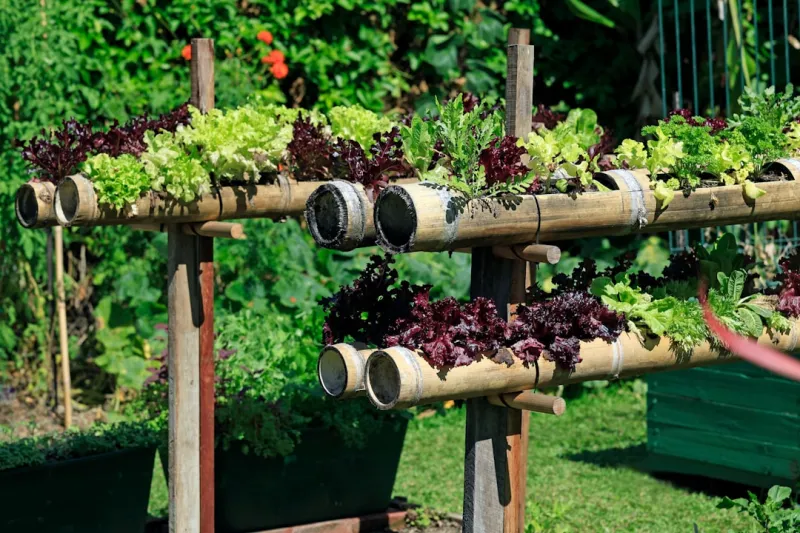
Vertical gardening is an innovative and sustainable way to grow your own plants, herbs, and vegetables. In a world where space is often at a premium, especially in urban settings, vertical gardens offer a creative solution for maximizing growing areas. Pallet gardens not only save space but also provide an eco-friendly project using repurposed materials. The added benefit of a drip irrigation system ensures your plants receive consistent moisture while conserving water, making this project both environmentally friendly and practical.
Building your vertical garden with repurposed pallet wood can be an immensely satisfying project, allowing you to express your creativity while contributing positively to your home and the environment. This DIY guide is designed for beginners, so don’t worry if you have minimal experience. We’ll walk you through each step in detail, ensuring you feel confident in your ability to complete this project successfully.
In addition to providing a thriving green space, vertical gardens also improve air quality, reduce noise pollution, and can enhance the aesthetic appeal of your surroundings. A well-constructed vertical garden can serve as a striking focal point on your patio, balcony, or backyard. It also promotes self-sustainability, allowing you to grow your own herbs and vegetables right at home. This project will help you elevate your gardening game while giving you a space that brims with life and color!
Skill Level: Beginner. This guide is designed with clear instructions that make it accessible to everyone, even those who are new to gardening or DIY projects.
---
Tools Needed
1. Hammer - Essential for nailing together your pallet pieces securely. 2. Screwdriver - Necessary for attaching components and ensuring solid joins. 3. Saw - A handsaw or circular saw will help you cut the pallets down to size as needed. 4. Measuring Tape - To measure your pallet dimensions and ensure your vertical garden fits your space perfectly. 5. Pry Bar or Crowbar - Useful for dismantling pallets carefully without damaging the wood. 6. Drill - For drilling holes for water tubes and screws, making your assembly easier and more robust. 7. Level - To ensure your vertical garden is straight and stable, preventing it from leaning or toppling over. 8. Protective Gear (gloves, goggles) - Always wear safety gear when working with wood and power tools to keep yourself safe.
Materials
1. Wooden Pallets - 2-3 pallets, depending on the desired height of your garden. 2. Landscape Fabric - 1 roll (approximately 3 feet x 50 feet) to line your garden and retain soil. 3. Potting Soil - 3-4 bags (2 cubic feet each) for filling your vertical garden. 4. Drip Irrigation Kit - 1 kit, which usually includes tubes, emitters, and connectors. 5. Wood Sealant or Paint - 1-2 cans to protect your wood from moisture and enhance durability. 6. Screws - 50-100 screws for constructing and securing your pallet structure. 7. Lattice or Wire Mesh - 1 piece (3 feet x 6 feet) to provide support for climbing plants, if desired. 8. Plants and Seeds - Your choice of herbs, strawberries, or vegetables; generally, you’ll want a selection for optimal variety. 9. Watering Can or Hose - To initially soak your plants before the drip irrigation is set up. 10. Hooks or Brackets - 4-6 units to securely mount your garden to a wall or structure if needed.
---
Step 1: Gather and Prepare Your Materials
What: Start by collecting your materials and tools. Ensure you're working with safe, untreated pallets to avoid exposure to chemicals.
How: Inspect the pallets for any signs of damage or rot. Look for ones that are intact and sturdy. If necessary, sand down any rough edges to avoid splinters.
Tips: Purchase pallets from local businesses or reclamation stores that specialize in reused materials. They often have a variety of options.
Safety: Always wear gloves when handling pallets, as nails and sharp edges can cause injuries.
---
Step 2: Dismantle the Pallets
What: Carefully take apart your pallets to create the individual slats you'll need for your vertical garden.
How: Use the pry bar to gently lift the slats away from the base of the pallets. Begin at one end, easing the bar under the slats, lifting them free from the support beams.
Tips: If you're struggling to disassemble the pallets without causing damage, cut the nails with a reciprocating saw or hammer them flat.
Safety: Ensure you have protective eyewear on during this process, particularly when employing power tools.
---
Step 3: Plan Your Design
What: Before assembling, sketch out your vertical garden design on paper.
How: Decide how many tiers you want your garden to have, the placement of your plants, and whether you want any lattice for climbing plants in your design.
Tips: Leave space for the drip irrigation system and ensure plants that have similar watering needs are placed together.
Safety: Keep your design within the bounds of your available space, ensuring it won't obstruct walkways or become a hazard.
---
Step 4: Construct the Framework
What: Create the frame for your vertical garden using your dismantled pallets.
How: Begin by placing one pallet vertically against your wall or support structure. Use screws to secure it in place. Repeat with additional pallets, working from the bottom up.
Tips: It’s beneficial to attach the pallets to a wall for extra stability, especially if they are heavy when filled with soil and plants.
Safety: Make sure the structure is secure before adding weight. Use a level to ensure everything is even to prevent tipping.
---
Step 5: Line with Landscape Fabric
What: This fabric will help retain soil while allowing moisture to escape and preventing soil erosion.
How: Cut the landscape fabric to fit the back and sides of each pallet before you begin filling them with soil. Secure it in place using a staple gun, ensuring it fits snugly.
Tips: Leave openings at the front for planting and watering; this fabric will hold the soil but can't entirely prevent it from spilling when planting.
Safety: The staple gun can be dangerous if misused, so handle it with care.
---
Step 6: Fill with Potting Soil
What: Now it’s time to fill your vertical garden with potting soil.
How: Use a scoop or shovel to fill each pallet with potting soil until it’s level with the top edge. Make sure to press the soil down slightly to eliminate air pockets.
Tips: Incorporate organic fertilizer into the soil for added nutrients, particularly if you're planting vegetables.
Safety: Avoid overfilling, as soil can spill out during watering if not contained adequately.
---
Step 7: Install the Drip Irrigation System
What: A drip irrigation system will provide your plants with a steady water supply without wasting resources.
How: Follow the instructions provided with your drip irrigation kit to set it up. Tubes should run along the top of each pallet, with small emitters delivering water to each planting pocket.
Tips: Test the system by running water through it before planting, ensuring all emitters are functioning correctly.
Safety: Ensure the tubing is securely attached to the pallets to avoid any trip hazards.
---
Step 8: Plant and Space Your Seeds/Plants
What: It’s time to add your plants or seeds into the prepared soil.
How: Place plants in the soil according to the spacing needs of each type (crops, herbs, flowers) for optimal growth. For seeds, check the depth recommendations on the seed packet and plant accordingly.
Tips: Group plants with similar water and light needs together to streamline maintenance.
Safety: Handle all plants with care to avoid breaking delicate stems or roots.
---
Step 9: Water and Mulch
What: After planting, give your vertical garden a thorough watering and apply mulch.
How: Use a watering can or hose to soak the plants initially. Once wet, add a layer of organic mulch around the base of each plant to help retain soil moisture and deter weeds.
Tips: Watch for signs of overwatering. Be cautious since the drip irrigation system will need a few adjustments when you first set it up.
Safety: Ensure that all electrical gadgets you’re using (like a power drill or pump) are kept away from excess moisture to prevent shock.
---
Step 10: Monitor and Adjust
What: Finally, keep an eye on your vertical garden and make any adjustments as necessary.
How: Regularly check the moisture levels, plant health, and the condition of your drip irrigation system.
Tips: You might need to adjust the emitters to provide more or less water depending on the plants’ needs and environmental conditions.
Safety: If you notice any signs of pests or disease, handle plants carefully and consult professional resources for treatment.
---
Troubleshooting
1. Insufficient Watering: If plants appear wilted, check your drip irrigation system for clogs. Clean the emitters and ensure the tubing isn’t kinked or blocked.
2. Overwatering: Drooping leaves can indicate too much water. Adjust your drip irrigation schedule to ensure it matches the plants’ needs.
3. Soil Erosion: If soil spills out of the pallets, reinforce the landscape fabric's edges or add a wooden lip around the top of each tier.
4. Pest Issues: Common garden pests can invade your vertical garden. Consider using natural repellents or introduce beneficial insects beneficial to plant health. Regular monitoring will also help mitigate this issue.
5. Poor Plant Growth: If plants aren’t thriving, check soil pH and nutrient levels. Adjust with fertilizer or soil amendments as needed.
---
Conclusion
Creating a vertical garden with repurposed pallet wood and an efficient drip irrigation system is a rewarding project that yields numerous benefits. You not only enhance your outdoor space's visual appeal but also promote sustainability by utilizing reclaimed materials. This project offers a perfect blend of practicality and creativity while allowing you to grow your own food in a limited area.
Feel free to explore variations of your vertical garden design by adding decorative features or experimenting with different plant species. Regular maintenance is crucial — remember to water, check for pests, and refresh the soil nutrients seasonally.
With a little patience and commitment, your vertical garden will thrive, providing a gorgeous green tapestry that can enrich your life and the lives of those around you.