How to create a vertical garden using upcycled plastic bottles and old wooden pallets
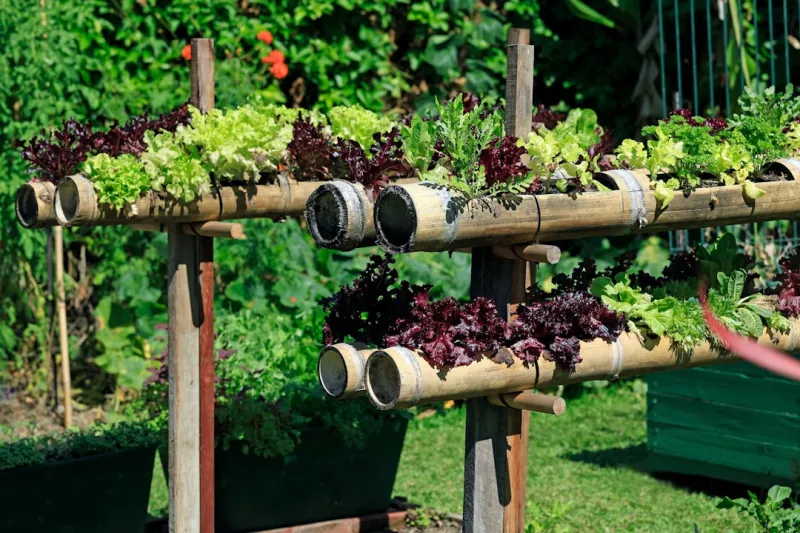
Introduction
Vertical gardening has become increasingly popular, and for good reason. With urban spaces becoming more crowded and green areas dwindling, creating vertical gardens allows us to harness our limited space effectively. This DIY project not only beautifies your surroundings but is also a sustainable solution that recycles waste materials. Why not turn those old plastic bottles and wooden pallets lying around into a thriving vertical garden?
Upcycling plastic bottles and wooden pallets can transform your garden while reducing plastic waste, a significant environmental concern. By using materials you may already have or can easily source, you also keep costs low, which is ideal for beginners or anyone looking to save a bit of money while beautifying their space. A vertical garden made from these materials elevates your plants off the ground and can even be a fun project to do with friends or family.
Skill Level: This project is perfect for beginners and requires few tools and materials. However, some careful planning and creativity will help produce a stunning garden wall. Follow this guide as we walk you through the transformation from items destined for the trash to a living wall that can house herbs, flowers, or even small vegetables.
Tools Needed
1. Utility Knife: This will be your primary tool for cutting the plastic bottles. A sharp utility knife ensures clean cuts, which is essential for making an effective vertical garden.
2. Drill and Drill Bits: You’ll need this for making holes in your wooden pallets and potentially for drainage in your bottles. A cordless drill is convenient and versatile for various applications around the home.
3. Sandpaper: A pack of sandpaper (preferably 120-grit) will help in smoothing the edges of your pallets and plastic bottles after they’ve been cut, preventing splinters and sharp edges.
4. Paintbrush and Non-Toxic Wood Sealer: Use a brush to apply a wood sealer to protect your pallet from the elements. A non-toxic option is excellent for ensuring it’s safe for growing food.
5. Wire Cutter: If you're planning to use wire for support or hanging your bottles, this tool will help you cut through sturdy materials cleanly.
6. Ruler or Measuring Tape: Accurate measurements will ensure that your bottles and pallets fit together perfectly and don’t appear haphazard. Precision is key in DIY projects.
7. Gloves: Protect your hands while cutting plastic and working with wood. Wearing gloves also adds an extra layer of safety against sharp edges.
8. Safety Goggles: When using power tools or cutting materials, safety goggles are essential to protect your eyes from debris and accidental splashes.
Materials
1. Plastic Bottles: Approximately 8-12 bottles are ideal for a moderate-sized vertical garden. Use various sizes for visual interest.
2. Wooden Pallet: 1 pallet is typically sufficient. It should be in good condition, with no significant cracks or rot.
3. Potting Soil: Around 2-3 bags (1.5 cubic feet each) will give you enough soil for your plants.
4. Plants/Seeds: 8-12 plants or packets of seeds depending on your chosen flora (consider herbs, flowers, or small vegetables).
5. Hanging Rope/Fencing Wire: Approximately 10-15 feet will be necessary if you’re planning to secure your bottles to the pallet.
6. Staples or Nails: About 20-30 staples or 1½-inch nails for securing the plastic bottles and ensuring stability.
7. Zip Ties: 10-15 zip ties can be useful for tightly securing the bottles to the pallet structure.
8. Watering Can: As you will need to keep your plants hydrated, a watering can is a handy addition.
9. Organic Fertilizer: A small bag will help in nourishing your plants throughout their growth.
10. Plants’ Labels: Optional, but helpful to keep track of what you have planted where.
Steps to Create Your Vertical Garden
Step 1: Gather Materials and Tools
Before diving into the project, ensure you gather all your materials—this will save you time and frustration. Inspect your wooden pallet for sturdiness; it should be stable enough to hold your bottles and soil. Ensure your plastic bottles are clean; rinse them out well and remove any labels. Having your tools and materials prepared will make the process smoother.
Tip: Consider choosing plants that thrive in similar light and water conditions. Planning your layout before starting can also save time and prevent layout issues later.
Step 2: Cut the Plastic Bottles
Using your utility knife, carefully cut the plastic bottles in half or two-thirds of the way up, with the spout end being the opening. The bottom half will serve as your planting container, so make sure to have adequate drainage holes for excess water. You can also cut decorative holes into the sides of the bottles if you wish to create a more artistic approach.
Safety Tip: Always cut away from yourself and try to stabilize your bottle on a cutting mat to prevent slips, which can be dangerous.
Step 3: Prepare the Wooden Pallet
If your wooden pallet isn’t already weather-treated, apply a non-toxic wood sealer using a paintbrush. This step helps extend the life of your pallet, especially since it may be exposed to moisture and sunlight. Allow it to dry thoroughly, as this is crucial for ensuring that any plants you later grow won’t be affected by chemicals in the wood.
Tip: If you want a more polished look, you might want to sand down rough edges to prevent splinters.
Step 4: Arrange the Bottles on the Pallet
Decide how you want your bottles to be arranged on the pallet. You can make rows, stagger them, or arrange them asymmetrically depending on your design preference. Use zip ties or wire to secure the bottles to the pallet by threading them through the bottle openings and around the wood, ensuring they stay in place.
Tip: Consider planting trailing plants at the top of the pallet to create a cascading effect as they grow, leading to a beautiful visual.
Step 5: Fill the Bottles with Soil
Once all the bottles are secured, fill them with potting soil, leaving a little space at the top for planting. Ensure the soil is loose and well-aerated for optimum plant growth. Lightly pack the soil but do not compress it excessively, as this can restrict water drainage and root growth.
Tip: Adding organic fertilizer into the soil will give your plants a nutrient boost, especially in the early stages.
Step 6: Plant Your Chosen Vegetation
Carefully place your plants or seeds into the bottle containers. If you are planting seeds, sprinkle them onto the soil's surface as per the instructions on their packet, taking care not to overcrowd them. If you are planting seedlings, gently tuck them into the soil, ensuring the roots are adequately covered.
Tip: Check the planting depth for each plant species; some might require less soil than others.
Step 7: Water Generously
Once your plants are in place, use your watering can to soak the soil adequately. This initial watering will help settle the soil around the roots and activate the fertilizer. Be cautious not to overwater, especially in the uppermost bottles, as excess water could trickle down and overly saturate lower bottles.
Tip: Establish a routine for watering your vertical garden; most plants prefer consistency.
Step 8: Hang Your Vertical Garden
If your pallet is designed to lean against a wall, position it carefully and secure it safely. If you want a freestanding structure, you may need to further stabilize it with additional supports or stakes. Make sure that there’s enough sunlight for the plants to thrive, so position it in a spot where they will get sufficient light throughout the day.
Safety Tip: If your pallet is heavy, ask for help to ensure it is secured correctly and won’t tip or fall over.
Step 9: Maintain Your Vertical Garden
Regular upkeep is essential for your garden’s success. Monitor the moisture level of the soil, and check for signs of pests or diseases. For optimal growth, consider rotating plants or removing any dead foliage. Regular pruning will help maintain health and encourage fuller growth.
Tip: Utilize organic pest control methods; avoid chemical pesticides to keep your vertical garden safe, especially if growing edible plants.
Step 10: Enjoy Your Vertical Garden!
Take the time to enjoy the fruits of your labor! Watch as your plants flourish and thrive in your creative vertical garden. This space can be a personal retreat, a place for relaxation, or even an opportunity to explore your culinary creations if you’ve chosen to grow edible plants.
Tip: Use your garden for culinary purposes by harvesting fresh herbs for cooking or to beautify your home with fresh cut flowers.
Troubleshooting Common Issues
1. Plants Dropping Leaves: This indicates that your plants might either be underwatered or overwatered. Test the soil moisture; if it’s too wet, allow the soil to dry before watering again.
2. Brown Tips on Leaves: This can signal that your plants are getting too much sun or not enough water. Check for sunburn if they are in direct sunlight or increase your watering schedule if they appear dry.
3. Pests: If you notice small insects on your plants, consider a natural insecticidal soap or neem oil solution as a safe and effective method to combat them.
4. Drainage Issues: If you notice water pooling in the bottles, double-check that you have made sufficient drainage holes and consider adding more if necessary.
5. Stability Problems: If your pallet is wobbling or moving, consider adding support stakes to each corner of the pallet or re-evaluating the attachment of the bottles to ensure they are adequately secured.
Conclusion
Creating a vertical garden using upcycled plastic bottles and old wooden pallets not only brings greenery into your living space but also offers an environmentally-conscious way to recycle materials. Throughout these steps, you’ve learned not just how to create your product but also how to cultivate life within it.
Feel free to play with your design, experimentation is part of the project! Consider variations like painting the pallets for a different aesthetic, incorporating decorative items like fairy lights, or using more sophisticated irrigation systems for easier maintenance.
Remember that the key to a successful vertical garden lies in consistent care and appropriate placement to ensure your plants thrive. Enjoy the process and the fresh beauties you cultivate within your space.