How to create a vertical garden wall using upcycled pallets and succulent plants
Introduction
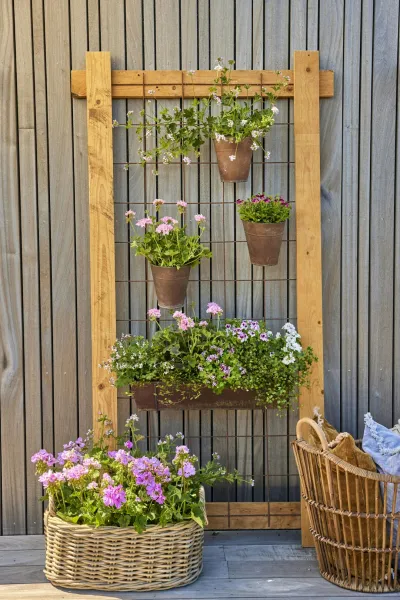
Vertical gardens have gained immense popularity over the past few years, and for good reason. They offer a creative and beautiful way to incorporate greenery into your living space, especially in urban environments where outdoor space is limited. If you're looking to enhance your home or backyard without undertaking a substantial renovation, a vertical garden wall can be an ideal project. This guide will walk you through the process of creating your own vertical garden wall using upcycled pallets and succulent plants, which are known for their low maintenance and stunning variety.
Using upcycled pallets not only promotes sustainability by repurposing wood that would otherwise end up in a landfill, but it also offers an affordable option for creating a unique gardening structure. Succulents, with their myriad colors and shapes, are perfect for this project as they can thrive in vertical arrangements and require minimal care, making them a fantastic choice for beginners or busy individuals.
This DIY project is perfect for anyone, regardless of skill level. Even if you're an absolute novice, you'll find that building a vertical garden wall from pallets is not only achievable but also rewarding. From selecting the right materials to arranging your plants in a visually appealing way, this guide will provide you with all the steps you need to turn your vertical garden dream into a reality.
Tools Needed
1. Hammer
A hammer is essential for driving nails and securing your pallet pieces together. It’s a basic tool that every DIY enthusiast should have.
2. Saw
A saw (handsaw or power saw) will be necessary for cutting pallets to fit your desired dimensions. If you're using larger pallets, a handsaw can be sufficient, but a power saw can make the job easier and faster.
3. Screwdriver (or Drill)
A screwdriver is vital for attaching screws, while a drill can speed up the process and provide a better grip on screws. A cordless drill is particularly handy for working in different locations.
4. Measuring Tape
Accurate measurements are crucial to ensure your pallet wall fits well in your desired space. A reliable measuring tape will help you get precise measurements for cutting and aligning your materials.
5. Level
To ensure that your vertical garden wall is straight and evenly aligned, a level is essential. This prevents your garden from looking lopsided, which can affect plant growth and aesthetics.
6. Sandpaper
Using sandpaper will help to smooth rough edges and surfaces on the pallets, reducing the risk of injury while handling and ensuring a clean finish.
7. Paintbrush or Roller
If you choose to paint your pallet for aesthetics or to prevent rot, a paintbrush or roller is needed to apply your chosen finish evenly.
8. Garden Hand Tools (Trowel, Pruners)
Basic gardening tools will aid in planting and maintaining your succulents once your wall is complete. A trowel helps with digging and placing soil, while pruners can assist in trimming plants as needed.
Materials
1. Wooden Pallets
- Quantity: 2-3 pallets (depending on size)
- You can obtain these for free or at minimal costs from local stores or warehouses. Just ensure they are in good condition and free of chemicals.
2. Succulent Plants
- Quantity: 10-15 plants (various types)
- Choose an assortment of succulents to create texture and visual interest. You can often find these at local nurseries, garden centers, or even swap with friends.
3. Potting Soil
- Quantity: 2 bags (1.5 - 2 cubic feet)
- Use a well-draining soil specifically designed for succulents to promote healthy growth.
4. Wood Screws
- Quantity: 1 box (approx. 100 screws)
- These will be used to secure the pallets together and attach them to the wall/stand.
5. Landscape Fabric or Burlap
- Quantity: 1 roll (approximately 10 feet)
- This is used as a liner to hold soil in place while allowing for drainage, preventing soil from spilling through the pallet.
6. Wood Stain or Outdoor Wood Sealant
- Quantity: 1 can (1 quart)
- This is necessary for protecting your pallet from moisture and prolonging its life outdoors.
7. Hook or Wall Bracket
- Quantity: 2-4 (based on size)
- These will be used to mount the pallets securely to your wall. Ensure they are rated for the weight of your garden.
8. Plant Labels (optional)
- Quantity: 5-10
- To identify your different succulents if you want, especially if you’re using a range of species.
9. Gloves
- Quantity: 1 pair
- Garden gloves protect your hands from splinters when working with wood and from potential prickles from succulents.
10. Watering Can or Spray Bottle
- Quantity: 1
- For watering your succulents once they are planted. A spray bottle can offer finer control for delicate plants.
Step-by-Step Instructions
Step 1: Choose Your Location
The first step in your vertical garden journey is to select an appropriate location. Ideally, you want a spot that receives plenty of indirect sunlight, as most succulents thrive best in bright, filtered light rather than direct harsh sun, which can scorch them. Look for a wall or fence that can support the weight of your pallet garden. Check the space to ensure it’s free from debris and has easy access to water.
Tip: Calibration is key—if you have the option, test out the chosen location for a few days with pots of succulent plants before committing to the installation.
Step 2: Prepare Your Pallets
Once you have selected your pallets, they may require some cleaning and preparation. Start by thoroughly cleaning them with a mixture of soap and water to remove dirt or chemicals. After cleaning, allow them to dry completely. Then, using sandpaper, smooth any rough edges and splinters to prevent injuries during handling.
Safety Tip: Always wear gloves while handling pallets to avoid splinters. You may also want to wear a dust mask if sanding to avoid inhaling particles.
Step 3: Stain or Seal the Wood
To increase durability and protect against the elements, apply a wood stain or outdoor sealant. You can choose a color that complements your home décor or natural wood to keep the look rustic. Be sure to follow the manufacturer’s instructions for the best results, which may include drying times and multiple coats.
Tip: Apply stains or sealants in a well-ventilated area and allow them to cure fully before moving to the next step.
Step 4: Construct Your Vertical Structure
Now that your pallets are prepped, it's time to assemble them into a vertical garden. Lay the pallets flat on the ground and stack one on top of another, securing them with wood screws. If you’re using multiple pallets, ensure they are well-aligned and sturdy.
Tip: If you want a more complex structure, consider creating an “A” frame with two pallets leaning against each other for added support.
Step 5: Add Landscape Fabric
Cut the landscape fabric or burlap to the size of the back of your pallet. Secure it in place using a staple gun or nails, creating pockets for your soil while allowing for proper drainage. Make sure the fabric is tightly secured so that soil doesn’t escape easily, but ensure it’s loose enough to allow for air circulation.
Tip: You can double-layer the fabric in the areas where the soil will be thickest for added strength.
Step 6: Fill with Potting Soil
After securing your landscape fabric, it’s time to fill the pockets with potting soil. Use a trowel to pack the soil in snugly but not too tightly, as succulents need some air circulation around their roots. Be sure to leave some space at the top to accommodate watering later on.
Tip: Using a mix of potting soil and sand can enhance drainage, which is crucial for the health of your succulents.
Step 7: Select and Arrange Succulents
Choose your succulent plants and arrange them on the filled pallet before planting. Consider varying the heights and colors for visual impact, placing larger succulents toward the bottom and smaller ones near the top. Be mindful of the sunlight requirements of each plant, ensuring that those requiring more light aren’t overshadowed.
Tip: If you’re unsure about your arrangements, lay the pots out on the soil without planting first to visualize and adjust until you're happy with the setup.
Step 8: Plant and Water
Once you’re satisfied with your arrangement, it’s time to plant! Remove each succulent from its nursery pot and gently loosen the roots before placing it in the soil of your pallet. Fill around the base of each plant with more potting soil and gently pat it down. After all your succulents are planted, water them lightly—succulents prefer dry conditions, so be sure not to over-water.
Tip: Using a spray bottle for watering can help to avoid displacing soil around the plants while ensuring they get the moisture they need.
Step 9: Install Your Vertical Garden
With your pallet now full of lovely succulents, it’s time to erect your vertical garden! If you are mounting to an existing wall, position the pallet and use a level to ensure it’s straight. Secure it with hooks or brackets that are appropriately rated to support the weight of the loaded pallet. If you're using a freestanding A-frame design, ensure it's stabilized and will not tip easily.
Safety Tip: Always check your hardware for weight limits and ensure your garden is securely attached to prevent accidents.
Step 10: Maintenance
Maintaining your vertical garden is crucial for its longevity and health. Monitor your plants for signs of overwatering or under-watering, and remember to allow the soil to dry out between waterings. Regularly check for pests or disease, and trim off any dead leaves to keep your garden looking tidy.
Tip: A monthly fertilization with a succulent-specific fertilizer can encourage growth and keep your plants thriving.
Troubleshooting
Even the best-laid plans can hit bumps along the way. Here are some common issues you might encounter while building and maintaining your vertical garden wall, along with their solutions.
1. Pallet Rot
Issue: If you notice your wood pallets are starting to rot or decay, this usually indicates moisture retention. Solution: Ensure your plants are not overwatered and allow adequate drying time. If rot has set in, replace the affected wood using the same method of assembly.
2. Plants withering
Issue: If your succulents are shriveling, they may not be getting enough water, or if they are turning brown and mushy, they may be overwatered. Solution: Adjust your watering schedule according to the season, and ensure good drainage in the soil.
3. Insufficient sunlight
Issue: If your plants are becoming leggy or pale, they may not be getting enough light. Solution: Move your vertical garden wall to a sunnier location, or consider adding supplemental lighting, especially in winter months.
4. Soil Erosion
Issue: If soil is spilling out of the gaps between your pallet boards, this will need addressing. Solution: Place an additional layer of landscape fabric or try a heavier soil mix that can hold together better.
5. Pests
Issue: Unexpected pests, such as aphids or mealybugs, can appear on your plants. Solution: Regularly inspect your plants and remove bugs manually or treat them with an insecticidal soap or neem oil spray.
Conclusion
In conclusion, creating a vertical garden wall using upcycled pallets and succulent plants is a fun and engaging DIY project that enhances your environment while promoting sustainability. This guide provides comprehensive steps suitable for even the most novice builders, ensuring a beautiful and functional garden wall.
As you gain confidence, consider experimenting with various types of plants or arranging additional layers for greater variety. You might want to explore integrating flowering plants or herbs into your vertical garden for added color and functionality.
Just remember that maintenance is key to keeping your vertical garden looking its best; with regular care, your succulents will flourish, creating a vibrant and inviting outdoor or indoor oasis.