How to create a vertical garden with repurposed pallets and a drip irrigation system
Introduction
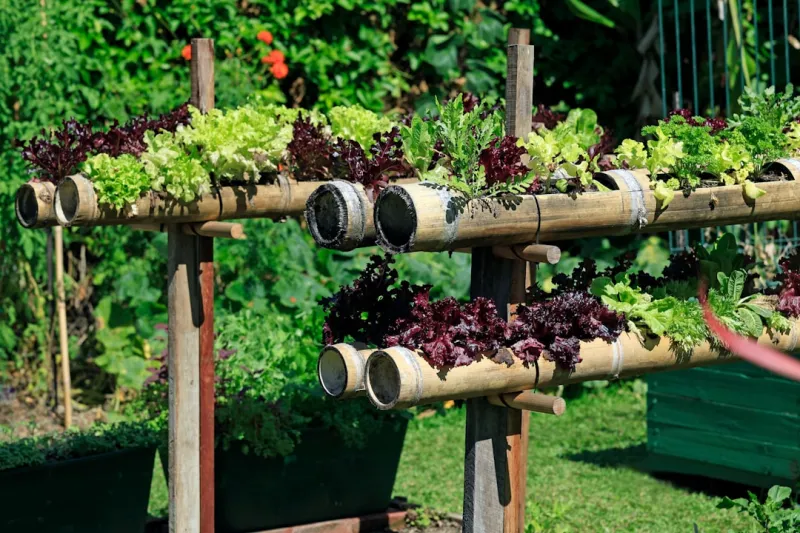
Vertical gardens have surged in popularity in recent years, and for good reason. Not only do they utilize vertical space effectively, but they also add aesthetic charm to yards, patios, and even indoor spaces. This project transforms repurposed wooden pallets into a living wall, offering an eco-friendly, creative way to grow plants without taking up valuable ground area.
Building a vertical garden is especially beneficial for those who have limited space, such as urban dwellers or anyone with a small backyard. With this DIY project, you can grow herbs, flowers, or even vegetables in a compact, visually appealing format. The combination of pallets and a drip irrigation system means that your plants get the consistent moisture they need while you save time on watering.
As a beginner-friendly project, this guide will provide you with step-by-step instructions alongside useful tips to ensure a successful setup. Anyone ranging from novice crafters to gardening aficionados can embark on this rewarding endeavor. The skills needed are basic and, with a little creativity, you can customize your vertical garden to suit your style and needs. Prepare to transform a mundane outdoor space into a vibrant, green oasis!
Tools Needed
1. Hammer - Essential for driving nails and securing the pallets. 2. Saw - A jigsaw or handsaw will allow you to cut the pallets down to size, if necessary. 3. Screwdriver or Drill - For driving screws and making it easier to put together the frame of the garden. 4. Sandpaper - Useful for smoothing out sharp edges and surfaces of the pallets to prevent splinters. 5. Staple Gun - Helps to secure landscaping fabric in place, which is crucial for holding soil. 6. Measuring Tape - Ensures accurate measurements for cutting and spacing in your garden. 7. Level - To make sure your vertical garden is perfectly aligned when mounted. 8. Hose and Drip Irrigation Kit - To set up your watering system efficiently.
Each tool serves a distinct purpose, focusing on both the assembly of the pallet frame and ensuring the plants are cared for properly through an irrigation system.
Materials
1. Repurposed Wooden Pallets - 2-3 pallets (depending on the size of your garden) 2. Landscaping Fabric - 1 yard (to line the back and sides of the pallets) 3. Potting Soil - 4-5 bags (depending on the size of your pallets and the type of plants you choose) 4. Plants - Varied selection, approximately 10-20 depending on your pallet size (consider herbs or small flowering plants) 5. Drip Irrigation Kit - 1 complete set (to provide a consistent water supply) 6. Nails - 1 box (for securing the structure) 7. Wood Screws - 1 box (for added stability) 8. Wood Sealant (optional) - 1 can (to protect pallets if using outdoors) 9. Watering Can - 1 (for initial watering before the irrigation system is set up) 10. Hooks or Wall Brackets - 4 (for hanging the pallets if not freestanding)
Gathering these materials ahead of time will help streamline the assembly process and ensure a more enjoyable experience.
Step 1: Select and Prepare Your Location
Before starting the vertical garden assembly, choose a suitable location that receives adequate sunlight — most plants require at least 6 hours of sunlight daily. The area should also provide easy access to a water source for the drip irrigation system. Once chosen, clear the spot of any debris, weeds, or rocks to prepare a clean slate.
Tip: If you’re placing the garden against a wall, consider positioning it where you can regularly access your plants for maintenance and harvesting.
Step 2: Choose Your Pallets
Next, select the pallets to repurpose. Look for HT (heat-treated) pallets, as they are safer and free from harmful chemicals typically used in treated wood. Ensure the pallets are structurally sound without broken planks or significant rot.
Tip: If you can trace the origin of the pallets or get them from a reputable source, you can ensure they are safe for planting.
Step 3: Disassemble Your Pallets (If Needed)
If the pallets are larger than you’d like for your vertical garden, disassembly may be required. Use a hammer or pry bar to carefully take apart the pallets, removing planks as needed.
Safety Note: Be cautious when handling the pallets — splintered wood can cause injuries. Always wear gloves and eye protection while working.
Step 4: Sand and Seal
After preparing the pallets, it’s essential to sand down the surfaces to eliminate any sharp edges or splinters. Focus on rough areas and exposed nail heads.
If your pallets will be outdoors, consider applying a wood sealant. This will protect the wood from moisture and insects, prolonging the life of your garden.
Step 5: Line Pallets with Landscaping Fabric
To create pockets for soil and plants, line the inside of the pallets with landscaping fabric. Cut the fabric into sections that will cover the back and sides of the pallet frames, leaving the front open for planting. Use a staple gun to secure the fabric in place.
Tip: Make sure to fold the fabric over the edges of the pallet to create a barrier that keeps the soil in while allowing water to drain.
Step 6: Fill with Potting Soil
Now it’s time to fill the lined pallets with potting soil, ensuring an even distribution across each pocket.
Tip: Moisten the soil slightly before filling to make it easier to handle and minimize settling once your plants are added.
Step 7: Plant Your Choice of Vegetation
Choose plants based on sunlight, space, and your preferences. Herbs like basil, thyme, and mint thrive in vertical gardens due to their compact growth. As you plant, press down lightly to remove air pockets around the roots.
Tip: To create an aesthetic look, think about varying the plant heights and colors. This will not only look attractive but also promote healthier plant growth.
Step 8: Set Up the Drip Irrigation System
With plants in place, the next step is to install your drip irrigation system. Start by laying out the main supply line from the water source to your vertical garden.
Connect drip emitters at intervals along the supply line to adequately water each pocket. Secure the tubing using hooks or wall brackets to keep everything neatly arranged.
Safety Note: Ensure all connections are tight to avoid leaks and check for proper placement of each emitter to deliver water directly to your plants.
Step 9: Mount the Vertical Garden
If your garden will be mounted on the wall, use screws or brackets to securely attach the pallets to the chosen surface. If it’s freestanding, position it in a location that satisfies both aesthetic and functional needs.
Tip: Use a level to check alignment before permanently securing anything, and make adjustments as needed.
Step 10: Water and Maintain
Water the garden initially with a watering can to help plants acclimate. Once established, allow the drip irrigation to take over. Regularly check for clogs in the emitters and adjust water output based on weather conditions.
Conduct periodic maintenance, checking for pests and dead leaves to keep your vertical garden healthy and vibrant.
Troubleshooting
Creating a vertical garden with repurposed pallets can be a great DIY project, but issues may arise. Here are five common problems and their solutions:
1. Plants Wilting or Dying:
- Fix: This can often be attributed to inadequate water or too much sunlight. Adjust your watering schedule, and consider relocating the garden to a more shaded area or providing some shade cloth.
- Fix: If water pools in the pallets, make sure you’re using the right size of soil and check drainage holes. You may need to add more soil or improve fabric coverage to allow proper drainage.
- Fix: Regularly inspect your plants for pests. Consider introducing beneficial insects like ladybugs, or use natural pest control solutions like neem oil.
- Fix: Clean the emitters regularly. Use fresh, filtered water and consider using a water filter if water quality seems to be causing the issue.
- Fix: Ensure all plants receive the same amount of sunlight and water. Sometimes plants on the top or bottom of the pallet may not thrive due to these factors.
Conclusion
Creating a vertical garden with repurposed pallets and a drip irrigation system not only enhances your space but also contributes positively to your gardening lifestyle. This DIY project is an excellent way to beautify your environment while promoting sustainable practices through the use of repurposed materials.
Variations can include using different types of pallets or even painting them for a pop of color. Remember, maintenance is key to keeping your garden vibrant – regularly check on plants, irrigation, and overall health.
Feel free to experiment with plant combinations to create a unique design that matches your vision. Vertical gardening has limitless potential, so dive in and enjoy the journey!