How to create a vertical garden using repurposed pallets and drip irrigation system
Introduction
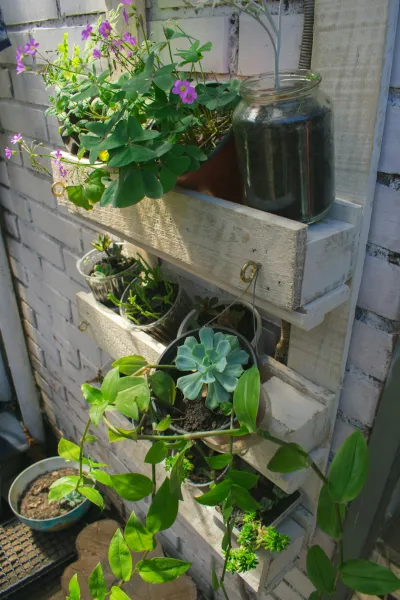
Vertical gardening is not only a trendy way to grow plants but also a practical solution for those with limited gardening space. Utilizing repurposed pallets for your vertical garden allows you to cultivate various herbs, flowers, or vegetables without requiring a vast area. In an era where sustainability is crucial, using pallets promotes recycling and reduces waste. This DIY project is highly rewarding; you will create an aesthetically pleasing garden that serves the dual purpose of beautifying your space and potentially providing fresh produce.
The benefits of vertical gardening are numerous:
- Space Efficiency: Perfect for small backyards, balconies, or even indoor spaces.
- Aesthetic Appeal: Add depth and life to your environment by showcasing plants in a unique way.
- Improved Air Quality: Plants naturally filter air pollutants, contributing to a healthier atmosphere.
- Enhanced Yield: Vertical gardens can produce more food in a smaller footprint, making them ideal for urban gardeners.
Tools Needed
1. Cordless Drill: Essential for drilling holes into pallets and attaching materials, making it easy to work without cumbersome cords trailing behind. 2. Saw (Hand Saw or Power Saw): Used to cut pallets to your desired size. A power saw makes the job quicker, but a hand saw is a perfectly adequate option for those who prefer traditional methods. 3. Sandpaper or Power Sander: Smooths any rough edges on the pallets to prevent splinters and creates a finished look. 4. Level: Ensures your vertical garden is straight and stable when mounted, which is critical for both aesthetics and plant growth. 5. Staple Gun: Quick and effective for securing landscaping fabric or other materials onto the pallets. 6. Measuring Tape: Vital for accurate measurements, ensuring all components fit together perfectly. 7. Garden Gloves: Protects your hands while working with wood and soil, as well as during plant care. 8. Watering Can or Hose with Spray Attachment: Although we’re using a drip irrigation system, a watering can is handy during initial planting.
Materials
- Repurposed Pallets (2-3): Depending on the size of your garden, you'll need at least two to three pallets to create a horizontal growing surface.
- Landscaping Fabric (1 roll, approx. 3 ft x 50 ft): This will hold soil while allowing water to drain through.
- Soil Mix (2 bags, 2 cubic feet each): A good quality potting mix with organic material is ideal for planting.
- Drip Irrigation Kit (1): Choose a kit that fits your garden size, with at least 10-15 feet of tubing and multiple emitters.
- Wood Screws (1 box): To reinforce the pallet structure for longevity.
- Brackets (4-8): To secure the pallet to a wall or support structure.
- Paint or Wood Stain (optional, 1-2 cans): For aesthetic appeal and protection against weather conditions.
- Nails or Hammer: For additional securing of materials.
- Plants or Seeds (as desired): Select what you’d like to grow; herbs are a great starter option.
- Mulch or Decorative Stones (1 bag): Optional but can help with moisture retention and aesthetics.
Step 1: Gathering Your Pallets
To start your vertical garden, you'll need to source a few pallets. Local businesses often give them away for free, or you can purchase them at hardware or gardening stores. Tip: Ensure that the pallets are untreated and safe for growing edible plants, as chemicals in treated wood can leach into the soil.
# Safety:
- When handling pallets, wear gloves as they may have splinters or rusted nails that can hurt.
Step 2: Preparing Your Pallets
Before you assemble, it's vital to prep your pallets. Use sandpaper or a power sander to smooth out all surfaces and edges. This prevents splinters and safeguards your plants.
# Tip:
- Don’t hesitate to remove any loose or broken slats. It's better to work with a clean, stable structure.
Step 3: Cutting and Assembling the Pallets
Depending on your desired height, you might want to cut the pallets down to size. A common height is around 4-6 feet. Use your saw to trim the pallets if necessary. Once cut, nail or screw them together to create a stable frame.
# Tips:
- Use your level to ensure the pallets are even during assembly.
- Assemble the frame before attaching it to the wall or support system.
Step 4: Reinforcing and Securing Your Pallet Garden
Reinforce your pallet connections with wood screws at the joints where they meet. Brackets can be attached to the back of your structure for additional support when mounting it against a wall.
# Safety:
- Use appropriate eye protection when using power tools.
Step 5: Adding Landscaping Fabric
To prevent soil from spilling out of the pallets, staple landscaping fabric inside the slats. While doing so, pull it taut and ensure it covers the entire interior surface.
# Tip:
- Cut the fabric to size before stapling, which can save you from excess waste.
Step 6: Filling with Soil
Fill the pallets with your soil mix. It's advisable to lightly compact it while filling to eliminate any air pockets. This ensures good root growth for your plants.
# Tips:
- Mix in some slow-release fertilizer into the soil for nutrient supply.
- Don’t fill past the top edge of the pallets to allow for water drainage.
Step 7: Planting Your Vegetables or Herbs
Choose your preferred plants and begin planting. Herbs like basil and parsley are excellent choices for beginner gardeners as they require minimal care. Space your plants adequately to allow for growth.
# Tips:
- When planting, refer to seed packet instructions for proper depth and spacing.
Step 8: Installing the Drip Irrigation System
Set up your drip irrigation system according to the manufacturer’s instructions. This will ensure your plants receive a consistent water supply, reducing the risk of over- or under-watering.
# Tips:
- Test the irrigation system after installation to check for leaks or water shortfalls.
- Adjust the emitters according to the needs of your plants; some need more water than others.
Step 9: Mounting the Vertical Garden
With everything prepared and filled, it’s time to mount your vertical garden. Use the brackets you installed earlier to secure the garden to a wall or fence.
# Safety:
- Ensure that the structure is securely fastened to avoid any accidents over time, especially in windy conditions.
Step 10: Regular Maintenance
Once your pallet garden is in place, regular maintenance will ensure its longevity and success. Water your plants through the drip irrigation system and check for signs of pests or diseases. Also, routinely inspect the structure for wear and tear due to weather conditions.
Troubleshooting
1. Water not reaching all plants: Adjust the positioning of emitters or check for clogs in the tubing. Sometimes, simply repositioning the drip lines can resolve uneven watering issues.
2. Plants wilting: Ensure your irrigation system is working properly. If dry at the roots, switch to manual watering until the system is repaired.
3. Soil falling out: Check that you've adequately secured the landscaping fabric. If soil is escaping, consider adding a border of mulch or more fabric to seal it in.
4. Pests: If you notice pests, introduce natural predators like ladybugs or use insecticidal soap. By maintaining plant health, the pests can often be kept at bay.
5. Structural damage: Inspect regularly for signs of decay or water damage. If sections of the pallets are deteriorating, consider reinforcing them with new wood pieces or replacing affected sections entirely.
Conclusion
Creating a vertical garden using repurposed pallets and a drip irrigation system is a fulfilling and sustainable project. Not only does it utilize otherwise discarded materials, but it transforms your outdoor (or indoor) space into something vibrant and refreshing. As you gain experience, consider varying your designs by using different types of plants or even experimenting with different potting arrangements. Keep in mind that maintenance is essential; a dedicated gardener will always pay attention to their plants, ensuring that they remain healthy.