How to create a vertical indoor garden with repurposed plastic bottles and LED grow lights
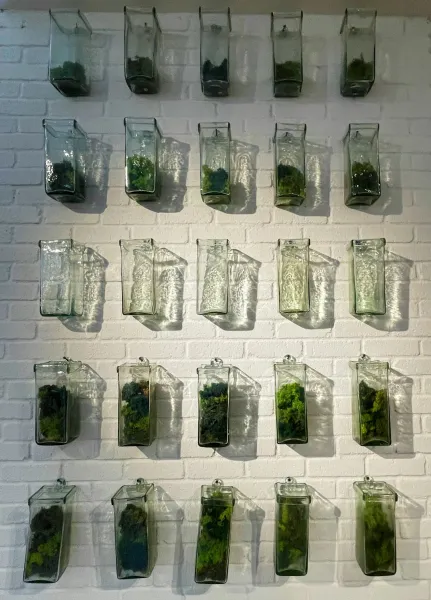
Creating a vertical indoor garden is a rewarding and environmentally friendly project that allows you to bring greenery into your living space, enhance air quality, and grow your herbs, vegetables, or decorative plants all year round. Utilizing repurposed plastic bottles not only adds a unique aesthetic element to your home but also significantly reduces plastic waste, contributing to a sustainable lifestyle. Combining this gardening project with LED grow lights ensures that your plants receive optimal lighting conditions, even in rooms that don't have access to natural sunlight.
As more people live in urban areas with limited outdoor space, having an efficient and space-saving gardening solution becomes essential. A vertical garden allows you to maximize your growing area without requiring a large footprint. This project is perfect for beginners who want to dip their toes into indoor gardening without needing advanced skills.
The skills required for this project are relatively manageable, making it suitable for beginner gardeners or DIY enthusiasts. If you have a little time and enjoy crafting, you’re well on your way to creating a stunning vertical indoor garden. Throughout this guide, you'll learn how to construct your garden in easy-to-follow steps, understand the benefits of LED grow lights, and troubleshoot common gardening issues.
Tools Needed
1. Scissors - Essential for cutting plastic bottles to the right size and shape for planting.
2. Drill with drill bit - Used to make holes for drainage in the bottom of the bottles.
3. Screwdriver - Handy for attaching the vertical garden frame or securing hooks.
4. Ruler or measuring tape - Ensures precise measurements when cutting bottles or constructing the frame.
5. Paintbrush - Ideal for applying any protective coating or sealant on wooden frames.
6. Utility knife - An alternative to scissors for cutting through tougher plastic or crafting intricate shapes.
7. Marker pen - Used for marking measurements on the bottles or frame, ensuring accuracy.
8. Protective gloves - Safety first! Protects your hands from sharp edges of plastic and preserves your skin during the crafting process.
Materials
1. Plastic bottles (12-15 standard-sized bottles) - Choose a variety of shapes and sizes for aesthetic variety and depth in planting.
2. Wooden pallets or boards (1-2 boards) - For creating a sturdy vertical frame to hold the plastic bottles.
3. Nails or screws (1 pack) - For securing the structure together and mounting the garden in place.
4. Potting soil (2 bags) - A high-quality mix will ensure your plants receive essential nutrients.
5. Herb or vegetable seeds or seedlings (4-6 packages) - Start with easy-to-grow plants like basil, mint, or lettuce.
6. LED grow lights (1-2 panels) - Ensure your plants get sufficient light for photosynthesis, especially in low-light conditions.
7. Hooks or brackets (4-6 pieces) - For hanging or mounting your vertical garden securely to a wall or other surfaces.
8. Drill with a water bottle attachment (optional) - This can assist in watering your plants efficiently at even intervals.
9. Sealant or paint (1 can) - Optional for improving the appearance of the frame and protecting wood from moisture.
10. Burlap or mesh fabric (1 yard) - If using soil instead of hydroponics, this can help retain soil and allow drainage.
Introduction
A vertical indoor garden crafted from repurposed plastic bottles and lit with LED grow lights is not just a decorative feature in your home; it serves multiple purposes. Aside from beautifying your space and giving you the satisfaction of nurturing living plants, this garden contributes positively to your mental and emotional well-being, fostering a sense of peace and tranquility.
With a rise in awareness about environmental issues, leveraging materials such as plastic bottles for gardening reflects a proactive stance toward sustainability. In a society where single-use plastics dominate, repurposing these materials helps reduce waste and creates something delightful in the process.
Furthermore, many people lack the luxury of garden space, making vertical gardening an optimal choice for residents of apartments or homes with limited outdoor areas. Not only will you cherish your new green companions, but you may also enjoy fresh herbs and vegetables right from your kitchen.
The project mirrors an intermediate skill set, making it accessible to novices. All that’s required is time, creativity, and a willingness to learn as you nurture your plants. So, let's transform these ordinary plastic bottles into an extraordinary vertical garden!
Step-by-Step Guide to Creating Your Vertical Indoor Garden
# ### 1. Prepare Your Workspace
What: Start by selecting a designated workspace where you can comfortably work on your project without distractions.
How: Clear the area of unnecessary items and gather all the tools and materials you’ll need. Ensure you have adequate lighting for both safety and visibility while working.
Tips: A flat surface is optimal. Lay down newspaper or a plastic sheet to catch debris and spills as you cut and assemble it.
Safety: Wear protective gloves while handling plastic bottles, sharp tools, or working with any chemicals, like sealants or paints.
# ### 2. Create Your Vertical Frame
What: Constructing a sturdy frame is crucial for holding the bottles and supporting the plants.
How: Using wooden pallets or boards, create a vertical support structure. You can create a ladder-like structure with horizontal boards between vertical ones.
Tips: Make sure your frame is tall enough to accommodate your bottles and plants but not overly high to make reaching the top difficult. Use additional brackets or hooks to secure the frame to the wall or ground.
Safety: Ensure all screws or nails are fitted securely to avoid accidents or structural failure.
# ### 3. Cut the Plastic Bottles
What: Transform the plastic bottles into planters by cutting them to size.
How: Use scissors or a utility knife to carefully cut each bottle in half or remove the top third. The bottom part should hold soil, while the top acts as a reservoir or a mini-greenhouse.
Tips: If decorative aesthetics are important, consider cutting and experimenting with different shapes for your bottles. Make drain holes in the bottom of each planter.
Safety: Be cautious and apply gentle pressure with sharp tools to avoid injury.
# ### 4. Attach Bottles to the Frame
What: Position the plastic bottle planters onto your vertical frame securely.
How: Begin from the bottom and work your way up. Screw the bottles onto the frame using nails or fasteners, ensuring they are tilted slightly to allow drainage.
Tips: Stagger the bottles so that they do not mimic placement and create a dynamic appearance.
Safety: Ensure screws are not protruding sharply and that the bottles are securely attached to avoid falling off when watered.
# ### 5. Fill Bottles with Soil
What: Each plastic bottle needs to be filled with nutrient-rich soil for your plants to thrive.
How: Carefully pour potting soil into each planter until it’s about three-quarters full. You can lightly compact the soil for stability.
Tips: Avoid over-filling as soil can expand when watered, leading to overflow. Consider using a funnel made from paper or cardboard to minimize spillages.
Safety: Wear a mask if working with dusty soil, and ensure any spills are cleaned promptly to avoid slipping.
# ### 6. Plant Your Seeds or Seedlings
What: Now comes the fun part—planting!
How: Depending on your choice of herbs or vegetables, either plant seeds according to the package instructions or transplant seedlings into the soil.
Tips: For a fuller appearance, plant a few seeds or seedlings in clustered formations instead of a single plant per bottle. Research companion planting to see which plants thrive well together.
Safety: Use a trowel or your hands (gloved) to avoid damaging roots while planting.
# ### 7. Install LED Grow Lights
What: LED grow lights provide essential light for plant growth, especially indoors.
How: Securely mount the LED grow lights above the vertical garden, ensuring they cover the area adequately. Follow the manufacturer’s instructions for installation.
Tips: Choose grow lights with adjustable settings for light intensity and distance from plants. Lights should be turned on for 12-16 hours per day.
Safety: Ensure using LED lights rated for indoor use and check for any electrical risks, such as exposed wires.
# ### 8. Water and Maintain Your Garden
What: Establish a watering schedule that promotes healthy plant growth.
How: Water your garden using a spray bottle or watering can directly onto the soil. Avoid overhead watering to limit fungal infections.
Tips: Monitor soil moisture by sticking your finger into the soil; if it feels dry up to an inch down, it’s time to water! Add fertilizer occasionally as per plant requirements.
Safety: Be cautious with water near electrical fixtures and ensure the lights are turned off when watering, eliminating short-circuit risks.
# ### 9. Monitor Plant Growth
What: Regularly check on your garden to assess plant health and growth.
How: Observe your plants for signs of pest infestations or diseases—yellowing leaves or stunted growth may indicate nutrient deficiencies or waterlogged conditions.
Tips: Document growth with photos to track changes, and don’t hesitate to research and act against any issues before they escalate.
Safety: If dealing with pests, consider organic pest control solutions or a thorough wash of the plants with water to remove unwanted pests.
# ### 10. Enjoy and Share Your Project
What: Take pride in your achievement and consider sharing your vertical garden with friends!
How: Showcase your vertical garden as a focal point in your home. Invite friends over to share your culinary herbs or gardening experiences!
Tips: Record your gardening journey; this might inspire others to embark on their own indoor gardening adventures, becoming a catalyst for community engagement.
Safety: Always handle plants and soil with care and be mindful of any known allergies among guests.
Troubleshooting Common Issues
1. Yellowing Leaves: This often signifies overwatering or nutrient deficiencies. Fix: Check soil moisture and limit watering frequency; consider using fertilizer.
2. Pests on Plants: Common pests include aphids and spider mites. Fix: Examine plants regularly, and opt for neem oil or insecticidal soap as natural pest control options.
3. Drooping or Wilting Plants: This could be due to lack of water or light. Fix: Check the plant's soil for moisture and adjust the LED grow lights as needed.
4. Mold Growth: Often a result of excessive moisture. Fix: Ensure good air circulation and allow soil to dry out between watering.
5. Stunted Growth: Lack of sufficient light often causes this issue. Fix: Assess your LED grow lights; consider adjusting their height or duration of exposure to enhance growth.
Conclusion
Creating a vertical indoor garden with repurposed plastic bottles and LED grow lights is not just a fun DIY project—it's a step toward sustainability, enhanced mental well-being, and fresh produce at home. Throughout this guide, you’ve learned essential skills, from building the frame to monitoring plant health.
Variations for your project could include using different types of containers, incorporating hydroponic systems, or sharing your vertical garden with friends and neighbors in a community gardening project.
Ongoing maintenance is key to keeping your garden thriving. Regular watering, monitoring conditions, and occasionally rotating plants can keep issues at bay and ensure lush growth. Engage with fellow gardening enthusiasts, and consider organizing plant swaps or virtual gardening workshops to expand your knowledge.
Enjoy the vibrant greens and the satisfaction of nurturing something from seed to harvest!