How to create a vertical garden using reclaimed pallets and eco-friendly paint
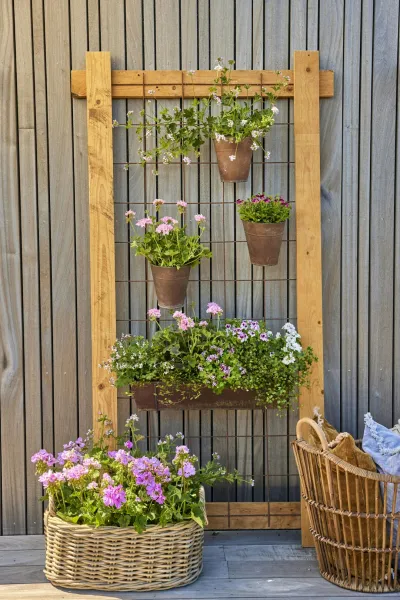
Creating a vertical garden using reclaimed pallets is a sustainable and fulfilling project that merges creativity with eco-friendliness. Vertical gardening has gained immense popularity in recent years. It’s an excellent way to maximize small spaces, infuse greenery into urban living environments, and provide an aesthetically pleasing backdrop for any area—be it a sunny balcony or a drab wall.
Why This Project?
Utilizing reclaimed pallets minimizes waste and promotes the idea of upcycling, making this project not only environmentally friendly but also budget-friendly. With pallets being often discarded, repurposing them into a vertical garden transforms both the wood and your space, turning something forgotten into a beautiful living piece. There are numerous benefits to vertical gardening, including:
- Space-Saving Design: Ideal for those with limited outdoor or indoor spaces.
- Improved Air Quality: Plants naturally filter the air, providing you with fresher, cleaner air.
- Aesthetic Appeal: Vertical gardens can become the focal point of your space, serving as natural art.
- Enhanced Home Environment: The act of gardening can reduce stress and boost mood. This project combines your creative side with nurturing living things.
- Local Produce: You have the option to grow herbs or vegetables, promoting healthy eating habits.
Skill Level
This project is well-suited for beginners, as it doesn't require advanced carpentry or gardening skills. Yet, it offers valuable lessons in woodworking, design, and plant care. You will learn how to effectively use tools, understand saw and paint safety, and cultivate plants.
Tools Needed
1. Saw (Hand Saw or Power Saw): Essential for trimming the pallets to your desired size. A power saw makes quicker work of cutting and is easier for beginners when it comes to achieving neat, straight cuts.
2. Drill: Used for creating holes if needed, and for attaching any brackets or additional supports. A drill with different attachments will offer versatility.
3. Measuring Tape: Critical for ensuring accurate measurements, allowing for a proper fit when assembling your garden.
4. Screwdriver: You'll need this for assembling the pallet and securing any additional components. A power screwdriver can also enhance efficiency.
5. Sandpaper: Required for smoothing rough edges on the pallet to prevent splinters and improve the finish, especially after applying paint.
6. Paintbrush/Roller: Necessary for applying eco-friendly paint uniformly onto the pallets. A roller can cover larger areas quickly, while brushes can help with smaller or intricate spots.
7. Protective Gear (Gloves, Mask): Important for safety. Gloves will protect your hands when handling rough materials or paint, while a mask will keep you safe from dust and paint fumes.
8. Garden Trowel: An essential tool for planting your herbs and flowers once the vertical garden is ready.
Materials
1. Reclaimed Pallets - 2 standard pallets 2. Eco-friendly Paint - 1 gallon in your preferred color 3. Potting Soil - 2 bags (approximately 2 cubic feet) 4. Gardening Fabric or Landscape Fabric - 1 roll (for lining the vertical planters) 5. Variety of Plants/Seeds - 6-8 plants or seed packets, such as herbs, succulents, or flowering plants based on your preference. 6. Wood Screws - 1 box (1-2 inch screws) 7. Hanging Kits or Mounting Brackets - 1 pack (for securing the pallet to a wall) 8. Plastic Plant Containers (optional) - 6-8 small containers if you prefer individual planting.
Step-by-Step Instructions
# ### Step 1: Gather Your Materials and Tools
Before starting, gather all necessary tools and materials. Selecting your plants beforehand will also allow you to tailor the size of your pallet sections accordingly. Inspect the condition of your pallets—remove any broken boards and ensure the wood is safe to work with.
Tips:
- Make sure your reclaimed pallets are free from harmful chemicals. Look for the 'HT' stamp, meaning heat-treated and safe for use.
- Set your workspace away from distractions for enhanced focus.
# ### Step 2: Prepare the Pallet
Use your saw to cut the pallets to your desired height. Standard pallets are around 48 inches long, and you might want to cut them down to a height that fits your wall space. Use sandpaper to smoothen all edges and surfaces to prevent injuries.
Safety Reminder: Always wear gloves when handling wood to avoid splinters.
# ### Step 3: Clean and Paint the Pallet
Clean the pallet with a damp cloth to remove dust and debris. Once dry, apply the eco-friendly paint using your brush or roller; ensure you cover both sides. If desired, you can apply a second coat once the first one is completely dry.
Tips:
- Opt for bright colors to easily uplift gloomy spaces or earth tones for a more natural feel.
- Let your paint cure fully to prevent any interference during the assembly process.
# ### Step 4: Line the Planter Areas
Cut landscape fabric to size. This will be used to line the back of the pallet sections you will use as planting pockets. Staple or nail the fabric securely to the inside back, ensuring it covers any gaps that soil might escape through.
Tips:
- Cutting a square or rectangle of fabric larger than the area you plan to cover provides extra insurance against soil leakage.
- Landscape fabric is breathable, which helps prevent root rot.
# ### Step 5: Assemble the Planter
Once the pallet is dry and lined, begin to fill sections with potting soil. Start from the bottom of the pallet and work upwards. Pack the soil firmly but not too tightly, allowing for drainage and aeration.
Tips:
- Leave about an inch of space from the top to prevent spillage when watering.
- Consider using an organic potting soil mix to promote healthier plant growth.
# ### Step 6: Choose and Plant Your Seeds/Plants
Decide on the arrangement of plants. Plant taller plants on top to provide enough sunlight for the smaller ones below. Gently remove each plant from its container and create a small hole in the soil of the pallet to place it. Firm the soil around each new plant.
Tips:
- Choose drought-resistant plants or ones that thrive in the same light conditions for the best results.
- Herbs like basil, thyme, and rosemary work well in vertical gardens due to their compact sizes.
# ### Step 7: Secure the Pallet
Using a drill and mounting brackets, secure the pallet to your chosen wall. Ensure that it’s placed firmly and will bear the weight of the soil and plants inside.
Safety Reminder: Ensure you drill into a stud if possible; this will provide more support than merely using drywall anchors.
# ### Step 8: Water and Maintain Your Vertical Garden
After planting, water generously until you notice it draining from the bottom. Moving forward, check daily to ensure soil retains moisture, especially during warmer months.
Tips:
- Install a drip irrigation system if you want to automate your watering routine.
- Regularly check for pests and mold—both can be common issues in vertical gardens.
Troubleshooting Common Issues
1. Wilting Plants: If your plants appear droopy or wilted, this may indicate either overwatering or underwatering. Check the soil moisture—if it’s dry a few inches down, give more water; if it’s soggy, reduce frequency.
2. Poor Growth: If plants aren’t thriving, they may not be receiving enough sunlight or nutrients. Try moving the pallet to a sunnier spot and consider fertilizing your plants with organic options.
3. Insect Infestation: Small insects can erode your plants’ health. Use natural pesticides or homemade sprays from ingredients like soap and water. Regular checks can prevent infestations from spreading.
4. Soil Leaking: If soil is escaping through the bottom, make sure you've securely attached the fabric and created firm, adequately sized planting areas. You might need to add more fabric or apply an additional layer.
5. Mold Growth: Excess moisture can lead to mold. Ensure proper drainage by not overwatering and allowing airflow around the plants. Consider pruning any dead leaves.
Conclusion
Creating a vertical garden using reclaimed pallets and eco-friendly paint offers a rewarding DIY project that benefits both your living space and the environment. This guide outlined the essential tools and materials, breaking down the project into manageable, straightforward steps designed for beginners. Remember that while initial setup is crucial, regular maintenance is key to keeping your vertical garden thriving.
You can also explore variations on this basic structure, such as adding fairy lights, creating tiered designs, or mixing in decorative pieces to enhance the visual appeal. Enjoy the journey of nurturing your plants, and embrace the beauty of gardening in a vertical form—your reclaimed pallet garden is sure to flourish!