How to create a vertical garden using reclaimed pallets and self-watering planters
Intro
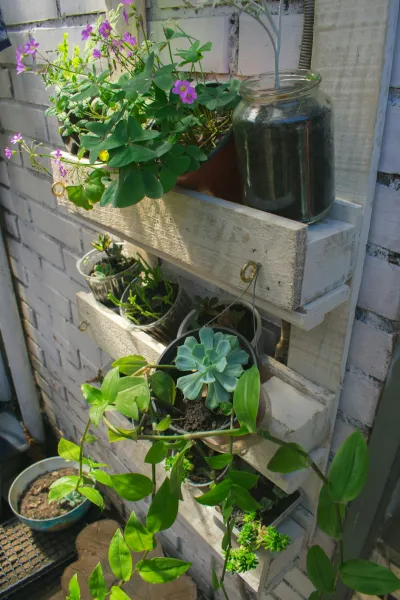
Vertical gardening is an innovative and resourceful way to bring greenery into your living space, particularly in urban environments where outdoor space can be limited. Using reclaimed pallets not only adds a rustic charm and unique aesthetic to your garden but also promotes sustainability by repurposing materials that would otherwise contribute to waste. A vertical garden allows you to make the most of your available space by growing plants on vertical surfaces, making it perfect for balconies, small yards, or even indoor spaces.
One of the advantages of this project is that it's accessible to beginners. All you need is a little creativity, some basic tools, and a dash of patience. Self-watering planters enhance the practicality of vertical gardens, allowing your plants to receive consistent moisture and reducing the frequency with which you need to water them. This is particularly beneficial for busy individuals or those new to gardening, as it helps alleviate the stress of plant care.
Moreover, vertical gardens provide various environmental benefits—they improve air quality, support urban wildlife, and can even help insulate your home. Plus, they offer a great opportunity to engage with nature, reduce stress, and cultivate a sense of accomplishment as you watch your plants thrive.
In this DIY guide, we’ll break down the process step-by-step, making it simple and enjoyable for everyone, regardless of your prior gardening experience. So let’s roll up our sleeves and get started on creating your very own vertical garden!
Tools Needed
1. Drill with Drill Bits: Essential for creating holes in the pallet for drainage and attaching the planters. A power drill speeds up the process.
2. Screwdriver: Useful for tightening screws and securing components of the self-watering planters to the pallet.
3. Saw: A hand saw or a reciprocating saw for cutting the pallet down to size if necessary. This can create a more customized fit for your space.
4. Measuring Tape: Important for measuring your pallets and ensuring everything fits perfectly in your designated vertical garden area.
5. Level: This ensures that your vertical garden is mounted straight, providing a neat aesthetic and preventing water from pooling in any one area.
6. Staple Gun or Heavy Duty Staples: Ideal for securing landscape fabric or plastic sheeting to the back of the pallet to retain soil and moisture.
7. Paint Brush or Roller: If you choose to seal or paint your pallet to protect it from the elements, a brush or roller will be necessary.
8. Gardening Gloves: Protects your hands while working with soil and plants, and provides safety while handling tools and pallets.
Materials
1. Reclaimed Pallet: 1-2 pallets (depending on the size of the garden desired)
2. Self-Watering Planters: 4-5 planters (ensure they fit well in the pallet, use deep planters for deeper root systems)
3. Landscape Fabric: 1-2 yards, to line the back of the pallet and prevent soil from spilling out.
4. Potting Soil: 2-3 bags, providing a rich base for plant growth.
5. Plants/Seeds: A selection of herbs, succulents, or flowers (choose based on sunlight availability and aesthetic preference).
6. Wood Sealer or Outdoor Paint: 1 quart, to protect the pallet from moisture and insects if placed outdoors.
7. Screws: 1 pack (1.5 to 2 inches long) for securely attaching the planters to the pallet.
8. Plastic Tubing for Irrigation: Optional, for a more sophisticated self-watering system.
9. Watering Can: For initial watering and filling the self-watering reservoirs.
10. Plastic Bottles: Optional, to create a DIY self-watering feature if planters don’t come with a built-in reservoir.
Step 1: Gather Your Materials
Before diving headfirst into your vertical garden project, gather your materials and tools. Having everything at your fingertips will streamline the process and reduce frustration. As a beginner, it’s significant to double-check your supply list to ensure you have all necessary components.
Tip: Try to choose plants that will thrive in your area. Check your hardiness zone before you start planting to make informed decisions regarding plants.
Safety Tip: Always wear gloves when handling reclaimed pallets, as they can splinter or contain nails.
Step 2: Prepare the Pallet
Your reclaimed pallet may be weathered, but that adds character! Nevertheless, it's vital to prepare it properly. Begin by inspecting the pallet for sharp edges or protruding nails. Sand any rough areas to prevent splinters. If you're concerned about pest issues, consider soaking the pallet in a salt solution to kill any insects or larvae.
Tip: If the pallet has already been treated with chemicals, consider sealing it with a wood sealer to create a barrier between the soil and treated wood.
Safety Tip: Ensure you’re wearing a mask and goggles while sanding to protect your lungs and eyesight.
Step 3: Line the Pallet
Lining the pallet with landscape fabric or plastic sheeting helps create a barrier that keeps soil in and offers drainage for excess water. Use a staple gun to secure the fabric tightly to the back of the pallet. This prevents soil loss while allowing roots to grow into the back of the pallet for additional stability.
Tip: Cut the fabric to size, leaving excess to fold over the top and down the sides of the pallet. This will help retain more soil and moisture.
Safety Tip: Ensure the staple gun's mechanism is functioning correctly before use to avoid jamming.
Step 4: Attach the Self-Watering Planters
Now, it’s time to attach your self-watering planters to the pallet. Position the planters according to your preferred design—whether it’s stacked vertically for a cascading effect or laid out for uniformity—and use screws to secure them to the pallet. Make sure to drill pilot holes to prevent the wood from splitting.
Tip: Use different heights and staggered placements for aesthetic appeal and to maximize sunlight exposure for each plant.
Safety Tip: Always wear protective eyewear when drilling to prevent dust and debris from getting into your eyes.
Step 5: Fill the Planters with Soil
With the planters secured in place, it’s time to fill them with potting soil. Gently press the soil down to eliminate air pockets, but be careful not to compact it too much, as roots need room to grow and expand. Be sure to leave some space at the top to allow for watering.
Tip: To enhance drainage, mix in perlite or vermiculite with your potting soil for a healthier environment for your plants.
Safety Tip: Always lift heavy bags of soil with your knees and not your back to prevent injury.
Step 6: Plant Your Selections
It’s finally time to plant your selections! Choose plants that thrive in the same light and water conditions. Arrange them in the planters according to the mature height of each plant, placing the tallest at the back or top depending on your layout.
Tip: Try a mixture of herbs, such as basil or mint, along with succulents for an attractive and fragrant display.
Safety Tip: Use caution when handling plants, especially if you’re working with any prickly varieties.
Step 7: Set Up the Self-Watering Mechanism
One of the best aspects of using self-watering planters is their ability to continuously provide moisture. If your planters come with built-in reservoirs, fill these accordingly. If not, you can create a DIY self-watering system using plastic bottles. Cut bottles in half, invert them into the planters, and fill them with water—this allows consistent hydration.
Tip: Refill the reservoirs whenever you notice that moisture is depleting. Observe your plants for signs of over or under-watering.
Safety Tip: Always dispose of any sharp edges from the cut bottles properly to avoid injury.
Step 8: Mount the Vertical Garden
Before mounting your vertical garden, find a suitable wall or fence that receives adequate sunlight for your plant types. Use a level to ensure your garden is straight before securing it to the wall. Depending on your setup, you may need to use brackets, screws, or hooks. Securely fasten everything and ensure it can hold the weight of the soil and plants.
Tip: Consider placing a tarp or container beneath while mounting to catch any falling debris.
Safety Tip: If using a ladder to reach higher areas, always have someone to spot you for safety.
Step 9: Water and Maintain
With your vertical garden finally complete, it’s essential to water and maintain it properly. Initially, water your plants thoroughly, checking if the self-watering mechanism is working effectively. Trim back any overgrowth and remove dead leaves regularly to maintain airflow and health.
Tip: Use a moisture meter to check soil moisture and adjust your watering schedule accordingly.
Safety Tip: Always ensure that you’re handling tools and watering equipment safely to avoid spills or accidents.
Step 10: Enjoy Your Vertical Garden!
You did it! Your vertical garden is not only a beautiful focal point but also contributes positively to your living space. Dedicate time to admire your work and the thriving plants as they grow. Share your experiences, tips, and successes with friends or neighbors to inspire them to create their own vertical gardens.
Tip: Snap pictures throughout the growth process to document changes and milestones in your garden’s life.
Troubleshooting
1. Plants Wilting: If your plants appear wilted, check the moisture level. Over or under-watering can lead to this issue. Adjust your watering routine as needed.
2. Pest Infestation: If you see unwanted pests, consider introducing beneficial insects or using organic insecticidal soap. Regularly inspect your plants for signs of distress.
3. Drainage Problems: Ensure that your planters are adequately draining. If water is pooling, check the drainage holes or consider adding more perlite to improve soil aeration.
4. Fading or Discoloration: This could be a sign of insufficient light. Move your vertical garden to receive more sunlight or choose plants that do well in lower light conditions.
5. Pallet Rot: If your wooden pallet appears to be rotting over time, re-evaluate your protective measures. Make sure to treat it with wood sealer and consider moving it indoors or to a covered outdoor space.
Conclusion
Creating a vertical garden using reclaimed pallets and self-watering planters is not only an environmentally friendly endeavor but also a fulfilling project that beautifies your space. We’ve explored each step—from preparation to maintenance—making this process accessible even for beginners.
Feel free to put your own spin on this project by experimenting with different layouts, colors, and plant choices. Remember, gardening is an evolving process. Your skills and understanding will grow as you dedicate time to your vertical garden, bringing you closer to nature.
With regular maintenance and attention, your vertical garden will flourish, providing you with not just a visual delight, but also fresh herbs, flowers, or succulents to enjoy in your home. Happy gardening!