How to create an eco-friendly vertical garden using repurposed plastic bottles and a wooden frame
Introduction
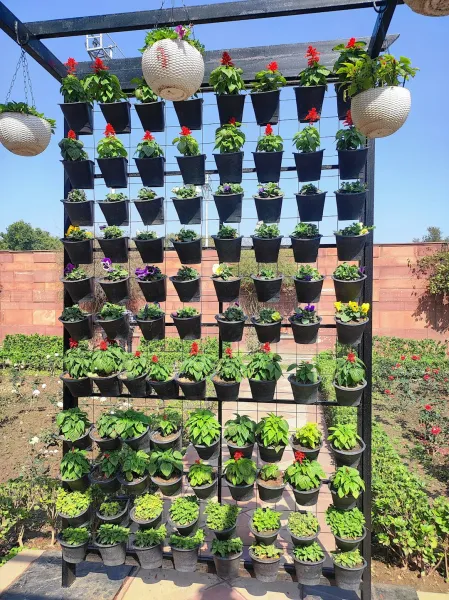
Creating a vertical garden is not just a trendy way to add beauty to your living space, it’s also a wonderful opportunity to help the environment by repurposing materials that would otherwise contribute to landfill waste. This DIY project involves crafting a vertical garden using repurposed plastic bottles secured to a wooden frame. Not only will this endeavor enhance your surroundings with greenery, but it will also help you reduce your environmental footprint and save money in the process.
The benefits of vertical gardening are immense, especially for those with limited space. Vertical gardens allow you to grow fresh herbs, vegetables, and flowers without requiring a large footprint, making them ideal for urban apartments or homes with small yards. Engaging in a project like this provides a sense of accomplishment and bolsters your connection to nature, something vital in today’s fast-paced world.
This project is suitable for beginners, as it requires basic tools and materials, along with a modest commitment of time and effort. Whether you're a seasoned gardener or someone just starting out, creating a vertical garden from repurposed materials is fulfilling and resourceful.
In this guide, we’ll walk through the tools and materials needed, highlight the steps involved, and provide troubleshooting tips. Let’s dig in and create something spectacular that you can be proud of!
Tools Needed
1. Drill: Essential for making holes in the wooden frame and plastic bottles. A power drill speeds up the process. 2. Screwdriver: Useful for securing the wooden frame and ensuring everything stays sturdy. 3. Utility Knife: For cutting the plastic bottles to the desired height and shape. 4. Scissors: Handy for trimming edges and making any adjustments on the plastic bottles. 5. Measuring Tape: For accurate measurements when cutting and sizing the wooden frame and bottles. 6. Sandpaper (Fine Grit): To smooth any rough edges on the wood, ensuring safety during assembly. 7. Paint or Wood Sealer: Optional, for those who want to give the wooden frame a weatherproof finish or a new color. 8. Garden Trowel: Useful for transferring soil into the bottles and planting seeds or seedlings.
Materials
1. Plastic Bottles: 10-15 bottles (e.g., 1-liter or 2-liter soda bottles) - Collect these from your home or friends. 2. Wooden Frame: 2x4 lumber to create a sturdy frame, approximately 6 feet long (Dimensions can vary depending on preference). 3. Hanging Wire or Rope: Approximately 10-15 feet – for securing the bottles to the frame. 4. Soil: 2-3 bags (potting soil recommended) - Ensures optimal growth of plants within the bottles. 5. Plants or Seeds: Choose herbs, small vegetables, or flowering plants – around 10-15 plants or seed packets depending on your setup. 6. Nails or Screws: Quantities depend on the size of the frame and bottles – approximately 20 screws should suffice. 7. Moisture Retention Layer (optional): Coconut coir, or a layer of pebbles - to help with drainage. 8. Plastic Tray or Catchment System (optional): To place at the bottom of the frame for catching excess water.
Step-by-Step Guide
1. Collect and Prepare the Plastic Bottles
What: Start by collecting the plastic bottles you’ll be using for your vertical garden.
How: Wash them thoroughly to remove any residue, labels, and adhesives. Use a utility knife to carefully cut a window into the side of each bottle, where you intend to plant. For larger plants, you might want a bigger opening, while for herbs, a smaller one will suffice.
Tips: Make sure to leave enough plastic at the bottom to serve as a reservoir for soil and water. You can also create drainage holes at the bottom of each bottle to avoid root rot.
Safety: Be careful when using sharp tools, and make sure to wear gloves if your hands are sensitive to plastic edges.
2. Build the Wooden Frame
What: The wooden frame serves as the backbone of your vertical garden, supporting your bottles and plants.
How: Using measuring tape, cut the 2x4 lumber to the desired height. A frame of about 6 feet tall and 2-3 feet wide is ideal. Secure the pieces together using screws to form a rectangular frame, reinforcing the corners.
Tips: If you want added stability, use triangular brackets at the corners. Consider pre-drilling holes to prevent the wood from splitting.
Safety: Always wear goggles when drilling. Ensure your workspace is clear of obstacles.
3. Attach the Plastic Bottles to the Frame
What: Secure the prepared bottles to the wooden frame.
How: Use the hanging wire or rope to attach the bottles vertically onto the frame. Start from the bottom and work your way up, keeping adequate space between bottles for plant growth. Use nails or screws to ensure they are secured tightly.
Tips: Arrange the bottles in staggered rows to create a more aesthetically appealing look and maximize sunlight exposure for each bottle.
Safety: Check that there are no sharp edges on the bottles exposed after cutting.
4. Add a Moisture Retention Layer
What: This step helps to manage the water levels in each bottle.
How: If you choose to include a moisture retention layer, add a layer of coconut coir or small stones at the bottom of each bottle after securing them to the frame.
Tips: This layer helps with drainage and moisture retention, ensuring your plants never dry out too quickly.
Safety: Make sure to handle the coconut coir or stones gently to avoid any minor injury or spilling.
5. Fill With Soil
What: Fill each bottle with soil, which will nourish your plants.
How: Using a garden trowel, carefully add potting soil to each bottle. Leave a bit of space at the top to avoid soil overflowing from watering. Firm the soil down gently to eliminate air pockets.
Tips: For best results, choose a lightweight potting mix that provides aeration while retaining moisture.
Safety: Use a mask if you are sensitive to dust.
6. Plant Your Seeds or Seedlings
What: Choose the plants best suited for your garden and plant them accordingly.
How: Follow the instructions on seed packets for spacing and planting depth. If using seedlings, gently remove them from their containers and place them into the filled bottles.
Tips: Consider companion planting, with herbs that thrive together. For instance, basil can grow with tomatoes or peppers for added flavor.
Safety: Be gentle with roots; they are delicate and can be easily damaged.
7. Watering and Caring for Your Garden
What: Proper care is essential for plant health.
How: Water your plants thoroughly using a watering can or hose, ensuring the soil is moist but not waterlogged.
Tips: Consider setting up a drip irrigation system if you want a labor-saving option. Always check the moisture level before watering to avoid overwatering.
Safety: Take care when working with water near electrical equipment and tools.
8. Positioning the Vertical Garden
What: Choosing the right location is crucial for successful growing.
How: Position the vertical garden in a space that receives ample sunlight—at least six hours of direct sunlight each day. If indoors, avoid placing it in cold drafts or areas with limited light.
Tips: Consider using a rolling base if positioning is a concern, making it easier to move the garden around for optimal sunlight exposure.
Safety: Ensure the structure is stable when full of plants and soil—avoid any locations where children or pets might disturb it.
Troubleshooting
1. Yellowing Leaves: This issue could signify either overwatering or a lack of nutrients. Check soil moisture; ensure adequate drainage holes are present. If overwatered, let the soil dry completely before watering again.
2. Slow Plant Growth: If plants aren’t thriving, they might need more sunlight. Move your garden to a brighter area or ensure your indoor lights are adequate for supporting plant growth.
3. Pests: Watch for aphids or other pests. Treat infestations promptly with insecticidal soap or neem oil, both of which are eco-friendly options.
4. Mold Growth: This can occur due to excess moisture. Ensure your bottles have enough drainage and consider reducing the watering frequency if moisture levels are too high.
5. Container Damage: Over time, plastic bottles can degrade or crack due to exposure to sunlight. Rearrange or replace damaged bottles as needed.
Conclusion
Creating an eco-friendly vertical garden using repurposed plastic bottles is not only an enjoyable project but also an impactful way to help reduce waste while nurturing your love for plants. This guide has equipped you with all the necessary tools and steps to embark on this green adventure. From choosing the right materials to addressing common issues, you now have a comprehensive understanding of how to create and maintain a beautiful vertical garden.
Feel free to experiment with different plants or design variations to suit your style and space limitations. Regular maintenance, such as watering and checking for pests, will keep your garden thriving. As you enjoy the fruits (or herbs) of your labor, you can feel proud of your eco-conscious efforts.
Make this project your own by adding personal touches, such as paint or even different hanging designs. Happy gardening!