How to create a vertical garden using repurposed pallets and upcycled containers
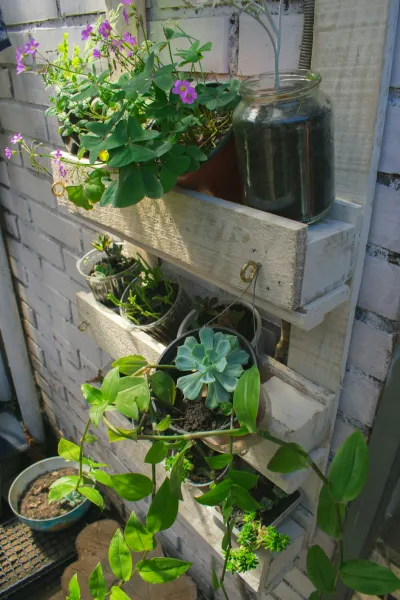
Growing your own plants and herbs can be a rewarding experience, whether you are living in an apartment with limited space or have a larger backyard. One innovative solution to combat space limitations while enhancing your outdoor, or even indoor, aesthetics is to create a vertical garden. This guide is aimed at novices, making it simple and practical for anyone to get started.
Vertical gardens offer several advantages. They can dramatically save space while still allowing for an impressive display of greenery. This type of garden can be highly customizable and can suit any aesthetic preference—whether you’re aiming for a rustic look with wooden pallets or a modern vibe using sleek upcycled containers. Additionally, growing plants vertically improves air circulation, reduces the risk of pests, allows for better drainage, and makes accessibility easier for watering and maintenance.
From a skill level perspective, this project is beginner-friendly. If you’re comfortable using basic hand tools and are ready to dive into a bit of DIY, you can successfully create a vertical garden with vibrant plants that will draw admiration from friends and neighbors alike.
Tools Needed
1. Hammer: Essential for driving nails into the pallets or containers. 2. Nails/Screws: Used to secure the pallets together and attach containers; it’s advisable to use outdoor-grade materials to resist weathering. 3. Saw: A handsaw or a jigsaw is necessary for cutting down pallets or containers as needed to fit your desired sizes. 4. Drill: Ideal for making drainage holes in containers and for easier securing of screws. 5. Sandpaper: Useful for smoothing rough edges on wood pallets to prevent splinters and ensure safety. 6. Gardening Gloves: Protect your hands while working with pallets and soil, and it’s essential for handling plants. 7. Measuring Tape: To ensure proper dimensions while cutting pallets or arranging your vertical garden. 8. Level: Ensures that your vertical garden stands straight and that your plants will grow evenly.
Materials
- Wooden Pallets (2-3): Source repurposed pallets from local stores or shipping centers; ensure they are in good condition.
- Upcycled Containers (5-10): These can be old tin cans, plastic bottles, or any other suitable containers you can find.
- Potting Soil (2 bags): A good quality potting soil will help support your plants' growth.
- Plants/Seeds (variety): Choose plants that suit your climate; herbs like basil, mint, or flowering plants such as petunias or succulents work well.
- Paint/Stain (optional): For aesthetic enhancement of your pallets; ensure it's non-toxic if plants will make contact.
- Landscape Fabric or Wire Mesh (1-2 yards): This will keep the soil contained in the containers and pallets while allowing for drainage.
- Sealant (optional): If desired, a wood sealant can protect the pallets from moisture.
- Hanging material (if desired): Hooks and chains for hanging the pallet vertically, depending on your design.
Intro
Gardening enthusiasts and novices alike have been turning to vertical gardening as an effective solution for maximizing their gardening efforts. Imagine transforming a dull wall into a lush, green retreat using repurposed pallets and upcycled containers. Not only is this a creative way of showcasing your plant collection, but it’s also an eco-friendly practice, promoting sustainability. By using materials that might otherwise go to waste, you not only save money but also contribute to reducing landfill waste.
This vertical gardening project is an engaging way for individuals and families to connect with nature, providing them with the opportunity to experiment with different plants. You can cultivate your favorite herbs such as rosemary, thyme, or basil, thus having fresh ingredients at your fingertips. If you opt for colorful flowering plants, they can add vibrancy and life to any outdoor or indoor space, enhancing the overall ambience.
Moreover, vertical gardens can purify the air, help mitigate noise pollution, and even provide insulation for your home. Plus, it’s a fun project to undertake—patience and creativity will result in a rewarding end product. Now, let's dive into the steps to construct your very own vertical garden.
Step 1: Choosing Your Location
What: Select a sunny spot! Most plants require at least six hours of sunlight daily.
How: Find a wall or fence that gets ample sunlight throughout the day. Ensure the ground is level and free of obstructions like heavy rocks or debris.
Tips: Consider proximity to a water source for easier watering. If you're working indoors, choose a spot near a window that allows the sun to shine through.
Safety: Ensure that the area where you're placing the garden is not overly moist; stagnant water can lead to mold growth and damage to the pallets.
Step 2: Preparing the Pallet
What: Clean your pallets and prepare them for use.
How: Use a mild soap solution to clean the pallets to remove dirt and potential contaminants. If necessary, sand down rough edges to prevent splinters. If you opted for wood treatment, now is the time to paint or stain your pallets.
Tips: If using treated wood, ensure it is safe for planting, or line the planter sections with landscape fabric to keep the soil contained and separate from the wood.
Safety: Wear gloves when handling the pallets and mask if sanding to avoid inhaling dust.
Step 3: Building the Vertical Structure
What: Assemble your pallets if multiple are being used.
How: Stack or lean the pallets together at a slight angle, ensuring they are stable. You can use screws to secure them or leave them in a sturdy position against a wall. Use a level to confirm the setup is even.
Tips: If possible, reinforce corners using additional wooden brackets to fortify the structure. Check for the weight capacity of your pallet to avoid a collapse.
Safety: Be cautious while securing pallets; the use of power drills might lead to accidents if not handled properly.
Step 4: Adding Landscape Fabric
What: Prepare the pallet for planting.
How: Cut landscape fabric to line the back of the pallets and the planter sections. This will provide a barrier to retain soil while allowing drainage. Staple or nail the fabric securely.
Tips: Make sure the fabric overlaps the edges of the pallet. This will prevent soil from spilling out and keep plants rooted firmly.
Safety: Ensure that there are no sharp points of fabric sticking out; they can be a hazard when tending to the garden.
Step 5: Arranging Upcycled Containers
What: Decide how you want to integrate upcycled containers into the pallet.
How: Secure the containers onto the front side of the pallet using screws or strong adhesive. If you’re using a variety of containers, play with their arrangement and spacing to create an attractive aesthetic.
Tips: Different sizes and colors of containers add visual appeal. Consider grouping similar plants in the same container and varying textures to enhance the overall look.
Safety: Ensure everything is firmly attached and can support the weight of soil and plants—an unstable container can spill dirt.
Step 6: Filling Containers with Soil
What: Prepare to plant.
How: Fill each container with potting soil, leaving about an inch of space at the top for watering. Be gentle; over-packing soil can damage the roots of plants as they grow.
Tips: Gradually moisten the soil as you fill each container to avoid any startling shifts in water retention. This ensures that the soil stays settled.
Safety: Avoid overloading containers. It ensures lasting stability and makes the gardening maintenance experience physically manageable.
Step 7: Planting Your Seeds/Plants
What: Choose and plant seeds or small plants.
How: Dig a small hole in the soil with your fingers, place the seed or plant in, and cover it up with soil. Press down lightly to secure each plant.
Tips: Be mindful of the growth habits of your plants—taller plants should be positioned higher up, while trailing plants can be planted lower or on the sides of the containers.
Safety: Ensure all plants are compatible and won't cause each other to compete too harshly for nutrients.
Step 8: Watering & Fertilizing
What: Ensure your vertical garden stays hydrated.
How: Water the plants thoroughly. Use a spray bottle or a watering can equipped with a fine spout to avoid overpowering the plants. Fertilizing can occur once the plants are established (follow the specific fertilizer instructions for each type of plant).
Tips: Avoid letting water sit at the bottom of your containers. Regularly check the moisture levels in the soil, as vertical gardens can dry out more quickly than traditional beds.
Safety: Apply fertilizers outdoors and protect your skin; wash hands thoroughly after using any chemicals.
Step 9: Maintaining Your Vertical Garden
What: Regular gardening chores.
How: Prune plants as needed, remove weeds, and maintain the right moisture levels. Rotate your plants if necessary, swapping out dead plants for new ones.
Tips: Create a maintenance schedule. An app or calendar can help remind you when it's time to trim back plants or replace any that may not thrive.
Safety: Keep tools organized and secure. Avoid sharp objects lying around to prevent accidents while tending to plants.
Step 10: Enjoying the Process
What: Take the time to enjoy your garden.
How: Create a relaxing space around your garden to enjoy your hard work, such as a small seating area.
Tips: Share your experience! Invite family and friends over to share advice, plant swaps or simply enjoy the beauty of your garden together.
Safety: When inviting others, clear pathways and objects away from your garden area to avoid tripping hazards.
Troubleshooting
Creating a vertical garden can be a straightforward process; however, challenges may arise. Here are five common issues and their solutions:
- Water Drainage Problem: If water collects at the base of containers, ensure there are adequate drainage holes. You could create additional holes or increase the amount of landscape fabric used to allow for more drainage.
- Sunlight Issues: If plants start wilting, check if they are getting enough sunlight. If not, you may need to move your garden to a sunnier spot.
- Overcrowding of Plants: If plants seem too crowded and unhealthy, try spacing them out more or transferring a few to other containers.
- Pest Infestation: If you notice pests, use non-toxic insecticidal soap or natural deterrents like neem oil. Regular inspection and maintenance can prevent infestations from becoming severe.
- Stability Issues of the Pallet: If the pallet structure seems wobbly, reinforce it using additional materials like brackets or securing it to the wall firmly with screws.
Conclusion
In just a few simple steps, you have successfully created a vibrant vertical garden using repurposed pallets and upcycled containers! This project not only beautifies your space but also provides a sense of accomplishment and connection to nature. As you gain more experience, consider variations such as unique container styles, different plant combinations, or even hanging planters for a more dynamic look.
Ongoing maintenance is key to ensuring your garden thrives. Regularly check the moisture levels of the soil, remove dead leaves, and provide nutrients through fertilization as needed. Explore seasonal planting to keep your garden looking fresh throughout the year.
Creating your vertical garden has opened up a world of possibilities for planting and personal expression that contribute to a sustainable lifestyle. Enjoy nurturing your plants, experimenting with different layouts, and taking pride in your green thumb!