How to create an indoor vertical garden using repurposed pallets and LED grow lights
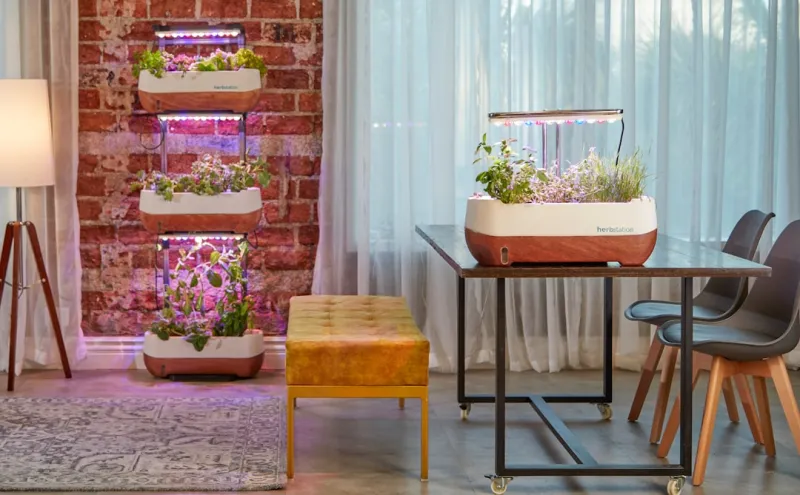
Creating an indoor vertical garden can be one of the most rewarding DIY projects you can undertake, especially for those who wish to bring a touch of nature indoors. With limited space and the constraints of urban living, making the most of your indoor environment can be a challenge. This is where a vertical garden comes into play—offering a charming, aesthetic solution that maximizes your available vertical space.
This project not only provides the satisfaction of growing your own plants but contributes to improved air quality and can enhance your overall well-being. Studies show that plants have a positive effect on mood and productivity while reducing stress. What’s more, vertical gardens can serve as a sustainable source of fresh herbs and vegetables right in your home. Using repurposed pallets adds an eco-friendly element to your project. By reusing materials, you’re participating in a responsible lifestyle while also saving costs.
If you're worried about the complexity of this project, fear not! It’s designed to be beginner-friendly with a moderate skill level—meaning that anyone with a little patience and enthusiasm can create a thriving indoor garden in just a few weekends. Plus, the use of LED grow lights ensures that your plants receive the necessary light to thrive, regardless of how much natural sunlight your indoor space receives.
So, let's dive into the realm of vertical gardening, where you can unleash your creativity and bring an oasis into your living space!
Tools Needed
1. Screwdriver: Essential for assembling the pallets and securing brackets. A power drill/screwdriver can make this step easier and quicker.
2. Saw: A hand saw or power saw will help you cut the pallets to your desired size. This is crucial if you want to create a specific dimension for your vertical garden.
3. Measuring Tape: Ensures accuracy in measuring both the pallets and the area where the garden will be mounted, thereby preventing fit issues later.
4. Level: For hanging your vertical garden straight, it’s important to use a level. A crooked installation can affect both aesthetic appeal and plant health.
5. Sandpaper or Sander: To smooth rough edges of the pallets, ensuring safety and allowing better adhesion of paint or protective sealants.
6. Staple Gun or Tacker: Used for securing the landscape fabric to the backside of the pallets to create pockets for soil without losing material.
7. Paintbrush or Roller: If you choose to paint or seal your pallets for added durability, a brush or roller is necessary for an even application.
8. Gloves: Essential for personal protection during the entire process, especially when handling wood or sharp tools.
Materials
- Repurposed Wooden Pallets: 1-3 units, depending on the size of your garden. Ensure that they are in good condition and free of hazardous chemicals.
- Staple-Resistant Landscape Fabric: 1-2 yards to line the back of your pallet and form planting pockets.
- Potting Soil: Approximately 3-5 bags. Make sure to choose a lightweight mix that drains well for optimal root health.
- Seeds or Seedlings: Choose a variety—herbs like basil and mint, or leafy greens like lettuce and spinach are excellent for beginners.
- LED Grow Lights: 1-2 units that can be mounted or hung above the pallets to provide adequate light for plant growth.
- Wood Sealant (Optional): 1 quart, to protect the pallets from moisture and decay, ensuring a longer-lasting structure.
- Brackets and Wall Anchors: 4-6 units, for securely mounting the pallets to the wall.
- Watering Can or Spray Bottle: To easily water the plants; a spray bottle can help with seedlings.
- Drill Bits: Ensure you have the right size for your brackets and anchors.
Step-by-Step Guide
# ### 1. Select Your Location
Start by determining the best spot for your vertical garden. Look for a space with enough natural light or consider proximity to an electrical outlet for your LED lights. The ideal location would be on a wall near sunlight, keeping in mind that different plants require various light levels.
Tips: Observe the area at different times of the day to check light levels. Also, ensure there is easy access for watering and maintaining the plants. Make adjustments accordingly.
# ### 2. Prepare the Pallets
Once you've chosen a location, it’s time to prep your pallets. Inspect them for any broken boards or protruding nails; you'll want to remove any harmful parts to avoid injury. Sand down sharp edges and weathered surfaces to make them safe to handle and paint.
How-to: Use your sandpaper or power sander. If hitting tight corners is tricky, fold the sandpaper into a smaller shape to easily maneuver.
# ### 3. Secure the Landscape Fabric
Cut your landscape fabric to the appropriate size to fit the back and sides of the pallets. Use your staple gun to attach the fabric securely, which will serve as a protective layer between the soil and the wood, preventing moisture damage.
Tip: Ensure the fabric overlapping creates pouches for planting by leaving enough fabric at the bottom to fold.
# ### 4. Mount the Pallets
Now, it’s time to hang your pallets! Use a level to ensure each pallet is hung straight. Drill holes through the pallets and into the wall, and then insert your brackets and wall anchors for security.
Safety Note: If working alone, it’s wise to use a step stool to ensure you’re at a safe height while mounting. Always wear gloves to avoid sharp edges.
# ### 5. Fill with Potting Soil
Fill the pockets of landscape fabric with potting soil. Avoid overpacking to allow for adequate aeration and growth.
Tip: Leave a small gap at the top to make it easier to water without spilling over. If you’re using seedlings, ensure they’re positioned well for ample room to grow.
# ### 6. Plant Your Seeds or Seedlings
Carefully plant your seeds or seedlings in the pockets filled with soil. Make sure to follow the spacing guidelines found on the seed packets for healthy growth.
Tips: Water lightly after planting to avoid soil displacement, and be gentle with seedlings to avoid disturbing their roots.
# ### 7. Set Up Your LED Grow Lights
Mount your LED grow lights above the pallets, making sure to follow the manufacturer’s instructions. Position them so they can efficiently cover all the plants.
Safety Note: Keep the lights out of reach of anything flammable, and ensure they are securely mounted to avoid accidents.
# ### 8. Water and Maintain Your Garden
Regularly check the soil moisture level and water when necessary. Seedlings, in particular, require consistent moisture. Use a watering can or spray bottle for easier control of moisture dispersion.
How-to: A good rule of thumb is to stick your finger about an inch deep into the soil; if it feels dry, it’s time to water.
# ### 9. Monitor Growth and Adjust Conditions
As your plants begin to grow, monitor their health and adjust your LED light height and intensity based on their response. Different plants have varying needs, so this can help optimize growth.
Tip: If you notice yellowing leaves, it could signify overwatering or insufficient light, so be prepared to make adjustments promptly.
# ### 10. Enjoy Your Garden
Finally, take pleasure in your indoor vertical garden! Harvest herbs as needed, and watch your greens flourish. Regular maintenance involves trimming, watering, and occasionally replanting as plants mature and seasons change.
Tip: Keep a journal of your gardening progress! Note what works well and what does not to improve your skills over time.
Troubleshooting
Even with the best planning, issues may arise in your vertical garden:
- Pests: If you notice unwanted insects, use an organic pest spray or some neem oil to manage the problem. Regular inspections help catch infestations early.
- Mold or Mildew: Excess moisture can lead to mold growth. Ensure proper air circulation and reduce watering if needed. A fan may also help maintain airflow.
- Leggy Plants: If your plants are stretching toward the light, they may not be receiving enough. Adjust the height of your LED grow lights or invest in more powerful options.
- Stunted Growth: This can occur due to nutrient deficiencies, so consider adding organic fertilizer or compost to the soil at regular intervals.
- Discoloration: Yellow leaves usually indicate overwatering or lack of light. Assess your watering routine and light placement to remedy.
Conclusion
Creating an indoor vertical garden using repurposed pallets and LED grow lights is not just a rewarding DIY project; it’s a lifestyle choice with long-lasting benefits. You’ve learned how to bring nature into your home, promote sustainability by recycling materials, and cultivate a variety of plants right at your fingertips.
Feel free to customize your garden with different palettes, plant types, and vertical arrangements depending on your personal style or decor needs. Maintenance comes down to regular watering, light adjustments, and inspection, but the reward of fresh herbs and a lush indoor space is worth the effort.
As you perfect your gardening technique, consider experimenting with different plants or even adding vertical garden features like drip irrigation systems for enhanced convenience. Your indoor vertical garden journey is just beginning—enjoy every step of the way!