How to create a vertical garden using repurposed plastic bottles and industrial pallets
Introduction
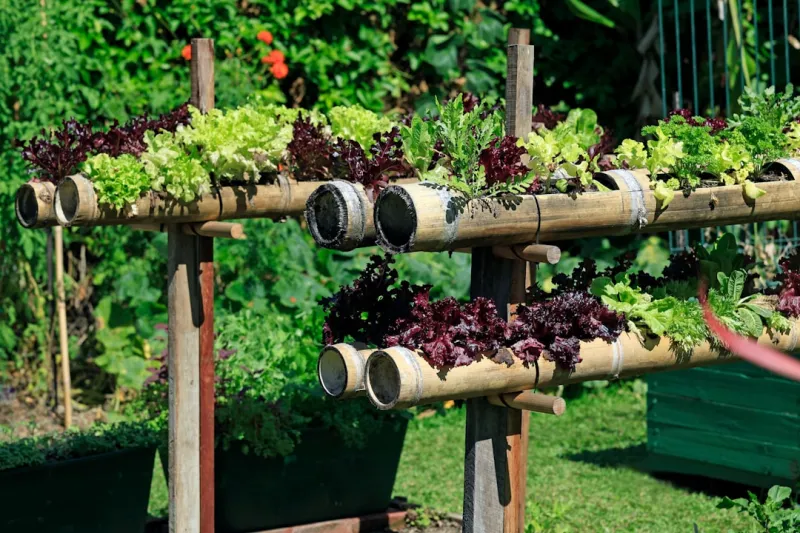
Creating a vertical garden using repurposed plastic bottles and industrial pallets is not only an environmentally friendly project but also a fantastic way to bring greenery into your living space, especially if you're limited by space. The trend of vertical gardening is on the rise, as more people seek to engage with nature while maximizing their living areas, whether it's a balcony, patio, or even indoors. This DIY project is a win-win: it gives new life to discarded plastic bottles that would otherwise end up in landfills and transforms industrial pallets into functional and aesthetic plant holders.
But why choose this particular method? Firstly, vertical gardens save space and allow you to cultivate a diverse array of plants in a compact area. They can act as natural air purifiers, enhance aesthetics, and provide fresh herbs or vegetables right at your doorstep. Additionally, using repurposed materials reduces waste and promotes sustainability—a perfect project for eco-conscious individuals.
Regarding skill level, this project is beginner-friendly; however, it does require some basic woodworking skills and familiarity with using simple tools. But fear not! This guide will walk you through every step, ensuring that even novices can undertake this inspiring vertical garden project with confidence.
Tools Needed
1. Drill and Drill Bits: Essential for creating holes in both the plastic bottles and the wooden pallet, allowing for drainage and securing the bottles to the pallet.
2. Screwdriver: Necessary for assembling parts of the pallet and securing any additional features you might want to include, like back supports or hooks.
3. Utility Knife: Used for cutting the plastic bottles in half to create planting pockets. A sharp knife will make cleaner cuts, safeguarding your fingers.
4. Sandpaper: Helps smooth the edges of the wooden pallet, which is crucial to prevent splinters and make the structure safe for handling.
5. Paintbrush or Sprayer: For those who want to add color or a protective stain to the pallet, this tool helps evenly distribute paint or sealant.
6. Measuring Tape: To ensure the precise dimensions of your plants and bottles, making it easier to create symmetrical and well-structured rows.
7. Staple Gun: This is handy for attaching any fabric that might be used as a liner inside the bottles or for securing tools to the pallet.
8. Gloves: Protect your hands while working with recycled materials and avoid getting dirty and overly scratched while handling the pallet wood.
Materials
1. Industrial Pallet (1): Look for a single pallet in decent condition, available from warehouses or local stores.
2. Plastic Bottles (12–16): Use standard 1- or 2-liter bottles. The quantity will depend on the desired number of planting pockets you want.
3. Potting Soil (1 bag, 10-20 lbs): This will provide a nutrient-rich environment for your plants to thrive.
4. Plants or Seeds (up to 20): Consider herbs, perennial flowers, or small shrubs that can thrive in a vertical environment.
5. Landscape Fabric (1-2 yards): To line the bottom portion of the bottle for soil containment and drainage.
6. Outdoor Paint or Wood Sealer (1 can): Use this to weatherproof your pallet if it will be exposed to the elements to extend its life.
7. Nails or Screws (1 box): Required for securing parts of the pallet and attaching the bottles as needed.
8. Wire or Twine (1 spool): Useful for tying up plants within the pallet or supporting vines.
9. Watering Can or Hose: Essential for watering your plants once they are planted.
10. Plastic Tray or Tarp: To catch the mess when cutting the bottles or planting, making cleanup easier.
Step 1: Gather and Prepare Your Materials
To kick off this exciting DIY project, gather all your materials and tools in one location. Inspect the plastic bottles for any sharp edges or imperfections that could present safety issues. It’s advisable to wash the bottles thoroughly to eliminate residues from beverages. Allow them to dry fully.
- Tip: If you want to create a uniform look, remove the labels from the bottles. Soak them in warm water to help facilitate this process.
Step 2: Cut Your Plastic Bottles
Using your utility knife, carefully cut each plastic bottle in half. The bottom half will hold the soil and plants, while the top half can be used to create a lid or cap if desired.
- Safety: Wear gloves to prevent cuts, as the edges of the bottle can be sharp. Be sure to cut on a stable surface.
- Tip: Stagger the bottles when cutting; make some shorter and some taller to create a visually appealing arrangement when set up on the pallet.
Step 3: Prepare the Bottles for Planting
Once your bottles are cut and ready, line the bottom half with landscape fabric. This helps keep soil contained while allowing for drainage. Cut fabric pieces that fit snugly at the bottom, securing them with a staple gun if necessary.
- Tip: Make sure the fabric is tall enough that it doesn’t slip into the soil; it should create a barrier while still permitting excess water to drain out.
- What to do: Fill each lined bottle with potting soil to about three-quarters full. Leave enough space at the top for your plants.
Step 4: Plant Your Chosen Plants
Now it’s time to introduce your plants to their new homes. Choose plants that have similar light and watering requirements for best results.
- How to do it: Remove the plant from its nursery pot and loosen the roots gently. Place the root ball into the soil of the bottle, ensuring the plant is nestled securely but not buried too deep.
- Tip: Herbs like basil or mint, and flowers such as petunias or pansies, work well in vertical gardens. You can also experiment with leafy greens for a functional garden.
Step 5: Mount the Pallet
Prepare to mount your pallet on your preferred wall, fence, or other vertical surfaces.
- What to do: Identify a location that receives sufficient sunlight for your plants, and position the pallet against the wall, marking the necessary drilling points.
- Safety note: Ensure the surface you attach to is solid enough to hold the weight of the pallet once it’s filled with soil and plants.
Step 6: Attach Plastic Bottles to the Pallet
Secure the prepared plastic bottles to your pallet using nails or screws.
- How to do it: Drill holes through the outer lip of each bottle and fasten them to the wooden slats of the pallet. Start from the bottom up to allow drainage from upper bottles to flow down.
- Tip: Create a staggered pattern for a more dynamic look, and ensure there’s enough room for plants to grow without tangling.
Step 7: Water Your Vertical Garden
Once everything is secured, give your plants a thorough watering.
- What to do: Use a watering can or hose to moisten the soil without flooding the bottles. It’s advisable to do this from the top-down to avoid washing away soil from the bottom.
- Tip: Watering in the early morning or late afternoon will help prevent evaporation and allow plants to absorb as much moisture as possible.
Step 8: Maintenance Considerations
Your vertical garden will need regular maintenance and monitoring.
- What to do: Check for signs of water stress, pests, or diseases. Fertilize every few weeks to promote growth and replace any dead plants promptly.
- Tip: Incorporate a specific watering schedule, and consider using a drip water system if you're planting a vast number of plants to make the process easier.
Troubleshooting Common Issues
1. Bottle Leaks: If you notice leaking bottles, ensure that each bottle’s drainage holes aren’t oversized. Reinforce holes with duct tape if necessary to catch excess water.
2. Dry Plants: Plants wilting or yellowing may indicate they’re not receiving enough water. Check your watering routine and consider adding mulch to retain moisture in the soil.
3. Pests and Disease: If you spot pests, use an organic insecticidal soap to treat the affected areas. Ensure good airflow around your plants to prevent fungal diseases.
4. Uneven Growth: Sometimes, certain plants may outgrow others. Trim back fast-growing plants to allow other herbs or flowers to thrive.
5. Structural Weakness: If the pallet seems unstable, reinforce it with additional screws or consider adding a horizontal brace for support.
Conclusion
In this engaging guide, we've explored how to create a vertical garden using repurposed plastic bottles and industrial pallets. This DIY project not only fosters creativity and a sense of accomplishment but also contributes to a sustainable environment and gives you a flourishing garden, even in constrained spaces.
Feel free to make variations; you can paint the pallet in bright colors, or use different bottle shapes, or even layer plants by incorporating small shelves. Maintenance is essential, but it can become a therapeutic and rewarding hobby. Remember that plants thrive on routine care and attention.
So, ready, set, grow your very own vertical garden and let the beauty of nature flourish in your life!