How to create an indoor vertical garden with reclaimed pallets and low-maintenance plants
Intro
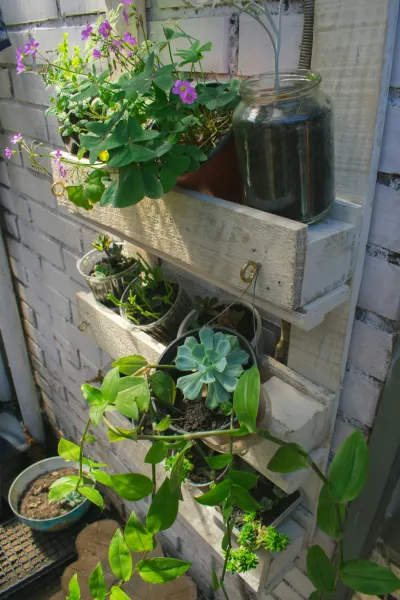
In the fast-paced rhythm of modern life, many of us yearn for a connection to nature that can enhance our living spaces and well-being. An indoor vertical garden, especially one created with reclaimed pallets, provides a fantastic opportunity to bring a touch of greenery into our homes without taking up too much space. Vertical gardens not only beautify your indoor environment but also promote mental wellness, improve air quality, and foster a sense of tranquility. The act of nurturing plants can also serve as a delightful hobby, offering stress relief and a sense of achievement.
The beauty of using reclaimed pallets is that they are an eco-friendly choice that also adds character and texture to your design. This project is not only sustainable but cost-effective. Thanks to their rugged charm, pallets can fit beautifully into various interior styles, whether you prefer a rustic farmhouse look or a modern aesthetic.
This guide is designed for beginners, requiring minimal expertise in gardening or carpentry. While it’s beneficial to have some basic tools handy, most of the steps are straightforward and manageable. We'll cover everything from sourcing materials to choosing the right plants, assisting you through every step. By the end, you'll have your very own indoor vertical garden, filled with low-maintenance plants that thrive with little effort on your part.
Tools Needed
1. Hammer: Essential for driving nails into the pallet wood and securing everything in place. 2. Saw: A handsaw or power saw is necessary for cutting pallets to the desired size. 3. Screwdriver / Drill: For assembling components and making drainage holes. 4. Sandpaper: To smooth out any rough edges on your pallet, preventing splinters. 5. Garden Trowel: Useful for planting soil and adjusting the plants in their containers. 6. Level: Ensures your vertical garden hangs straight, minimizing the risk of spills and ensuring aesthetic harmony. 7. Measuring tape: This tool is crucial for accurate measurements and ensuring that your pallet fits the intended space. 8. Safety goggles: Protect your eyes from wood debris when cutting and working with the pallets.
Materials
- Reclaimed Pallets (2-3): Depending on your desired height and width for the vertical garden; the sturdier the wood, the better.
- Landscape fabric (1 yard): To line the back of the pallet and prevent soil from falling through.
- Staples or Staple Gun (1 set): For securing landscape fabric to the pallet.
- Potting soil (2-3 bags): A quality soil mix for optimal plant growth.
- Low-Maintenance Plants (5-10): Options like succulents, ferns, pothos, spider plants, and air plants.
- Wood screws (1-2 packages): To secure the pallets to the wall and for adding additional shelves.
- Hanging hardware (1 set): To safely mount your vertical garden onto the wall.
- Watering can or spray bottle: For gentle watering of plants.
- Gardening gloves: Protects your hands when handling soil and plants.
Step-by-Step Guide
### Step 1: Sourcing Reclaimed Pallets
Start your project by sourcing reclaimed pallets. You can often find them for free or at a low cost at local businesses, farms, or online marketplaces. Make sure they are in good condition, free from mold, and not treated with harmful chemicals. Check markings—look for HT (heat treated) pallets, which are safer for indoor use.
### Step 2: Prepare Your Pallet
Once you’ve obtained the pallets, lay them flat on a stable surface. If they have any rough or sharp edges, use sandpaper to smooth these down. Taking the time to refine the surface now will prevent potential injuries later, especially if you have children or pets.
### Step 3: Measuring and Cutting the Pallet
Decide on the size of your vertical garden. Measure and mark the areas you want to cut to create shelves or smaller sections. Using your saw, carefully cut along the marked lines. Having individual sections makes it easier to plant and maintain your indoor garden.
### Step 4: Assembling the Backing
To add stability, consider using a piece of plywood as a backing. This will catch soil and prevent any mess on the wall behind. Attach it to the back of the pallet using wood screws, then secure landscape fabric on the front side with a staple gun. This fabric helps keep soil in without impeding water drainage.
### Step 5: Mounting the Pallet
Choose a suitable wall in your desired indoor space, making sure it receives adequate natural light. Use your measuring tape to determine where to place the pallet. Using a level ensures that it will hang straight. Mark the fastener spots for your hanging hardware and drill into place.
### Step 6: Filling with Soil
With the pallet mounted, fill the sections with high-quality potting soil. Aim for about three-quarters full in each section. Gently pack down the soil so it’s level but not compacted, causing drainage issues.
### Step 7: Selecting and Planting Your Low-Maintenance Plants
Consider the light levels of your indoor environment before choosing plants. Low-maintenance options like pothos or spider plants are forgiving and adapt well to varied light conditions. Remove the plants from their containers, loosen the roots, and position them in the soil. Use your garden trowel for planting and making adjustments.
### Step 8: Watering Wisely
After planting, gently water your plants. A watering can or spray bottle is ideal to avoid over-saturation. Maintain the soil’s moisture without flooding it, as this can lead to root rot. Check the soil regularly to prevent drying out or excess moisture.
### Step 9: Maintenance and Care
To ensure your garden flourishes, incorporate a maintenance routine to monitor plant health. Whether it’s checking for pests, dead leaves, or ensuring your plants are not getting too much or too little water, a little observation goes a long way. Each week, assess if they need a boost of nutrients through diluted liquid fertilizer.
### Step 10: Enjoy Your Indoor Vertical Garden
Once planted and set up, take a step back and enjoy your vibrant new feature. Consider adding decorative elements, like fairy lights or small ornaments, to personalize your garden. Observe how it evolves—over time, you may want to experiment by swapping plants or introducing seasonal favorites.
Troubleshooting
1. Wilting Plants
- Cause: Overwatering or underwatering.
- Fix: Check soil moisture first. If too dry, water gradually. If too wet, allow soil to dry out completely before watering again.
2. Yellowing Leaves
- Cause: Nutrient deficiencies or overwatering.
- Fix: Check for pests, ensure good drainage, and if necessary, provide a diluted fertilizer.
3. Pest Infestation
- Cause: Common pests like spider mites or aphids.
- Fix: Use insecticidal soap or a mixture of water and dish soap. Regularly inspect your plants and remove any infected leaves.
4. Weak, Leggy Growth
- Cause: Insufficient light.
- Fix: Move the garden to a location with more natural light or consider using grow lights to supplement.
5. Soil Erosion
- Cause: Poorly secured landscape fabric.
- Fix: Re-evaluate securing methods. Use more staples or consider adding more sturdy barriers to the sections.
Conclusion
Creating an indoor vertical garden with reclaimed pallets and low-maintenance plants is an incredibly rewarding DIY project. Not only do you get to beautify your environment, but you also partake in the healing benefits that nature provides. With just a handful of tools and a few easy-to-source materials, you can transform a simple idea into a lush oasis, even in tight spaces.
Remember, there’s always room for creativity—consider painting the pallets, mixing plant types, or even adding supportive mediums such as decorative stones. Regular maintenance is key, but with low-maintenance plants, you can enjoy your garden without too much fuss.
Start your green-thumb journey today and embrace the indoor sanctuary you will create—your living space will thank you!