How to create an indoor vertical garden using repurposed plastic bottles and LED lights
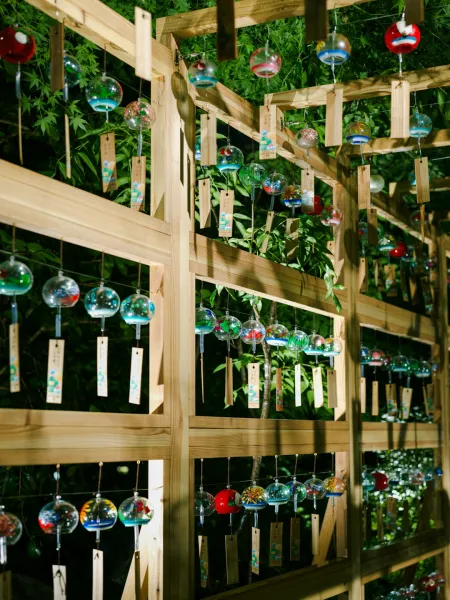
Creating an indoor vertical garden is not just an eco-friendly project; it’s also an imaginative way to revitalize your living space. A vertical garden allows for the cultivation of plants in a compact area, making it an ideal solution for urban dwellers or those who desire green surroundings without sacrificing floor space. This DIY project combines the creative reuse of plastic bottles with LED lighting to support plant growth, making it accessible and sustainable.
Why This Project?
Plastic pollution is a growing concern, with countless single-use bottles thrown away every day. By repurposing these bottles, you're contributing to environmental conservation while transforming waste into a functional piece of home decor. Additionally, having plants indoors can improve air quality and boost mental health, creating a more pleasant and serene living environment.
For beginners, this project offers a rewarding challenge. Not only will you hone your creative and gardening skills, but you'll also enjoy the therapeutic benefits of nurturing plants. There’s a vast variety of plants that thrive indoors, from herbs and leafy greens to ornamental flowers, allowing you to customize your vertical garden to your taste.
Skill Level
This project is suitable for beginners and can also be enjoyable for seasoned DIY enthusiasts looking for a creative outlet. It doesn’t require advanced carpentry skills, sophisticated tools, or a significant investment of time. With a few fundamental tools and materials, you’ll be able to create your very own vertical garden in a weekend!
Tools Needed
1. Craft Knife/Utility Knife: For cutting plastic bottles cleanly and safely. 2. Drill with Drill Bits: To create drainage holes and mounting holes; essential for your plant health and installation. 3. Ruler/Measuring Tape: For accurate measurements when cutting and arranging bottles. 4. Hot Glue Gun: Helps attach the bottles securely to the vertical frame, ensuring stability. 5. Screwdriver: For affixing brackets or screws to the wall if needed. 6. Sandpaper: To smooth down any sharp edges after cutting the bottles. 7. Paintbrush or Spray Paint: For aesthetics; optional if you want to add color to your project. 8. Watering Can or Spray Bottle: For maintaining moisture in your plants after installation.
Materials
- Plastic Bottles: 10-15 bottles of 1 or 2 liters for a small vertical garden.
- Wooden Pallet or Frame: 1 piece (choose a size that accommodates your bottles and space).
- Potting Soil: 2-3 bags (depending on the number of plants and bottle sizes).
- Plants/Seeds: 5-10 varieties (herbs, succulents, or small flowers tailored to your preference).
- LED Grow Lights: 2-3 strip lights (ensure they’re suitable for indoor use).
- Strong Rope or Twine: 10-15 feet (for hanging the frame or bottles).
- Waterproof Sealant or Paint: 1 can (to protect the wood from moisture).
- Drainage Stones or Gravel: 1-2 bags (for bottom drainage in the bottles).
Step-by-Step Instructions
# ### Step 1: Gather Materials and Tools
Start by collecting all necessary materials and tools to reduce wasted time during the construction process. Ensure you have a clean workspace where you can comfortably spread out your items. Check the condition of your tools to ensure everything is safe and functional.
Tip: If you have children or pets, make sure any sharp tools or small parts are kept out of reach.
# ### Step 2: Prepare the Bottles
Using your utility knife, carefully cut the plastic bottles in half or leave them whole, based on your design preference. For half-bottles, the bottom half will serve as a planter while the top can be inverted to create a watering reservoir.
Using sandpaper, smooth out any sharp edges to prevent cuts while handling the bottles.
Tip: If you wish, keep the caps on the bottles to retain some moisture.
# ### Step 3: Drill Drainage Holes
Using your drill with the drill bits, create drainage holes at the bottom of each bottle. Adequate drainage is critical for plant health; without it, your plants risk root rot.
Tip: Space the holes evenly and make them about 5-10 mm wide to allow excess water to escape without letting soil fall through.
# ### Step 4: Arrange Your Vertical Frame
Lay out your wooden pallet or frame where you want the garden to be displayed. Consider factors such as sunlight availability and accessibility for watering and maintenance. Make sure the structure is sturdy enough to hold multiple bottles filled with soil and plants.
Tip: If you need to modify the frame, use a saw to ensure it fits your intended space perfectly.
# ### Step 5: Secure the Bottles to the Frame
Utilize your hot glue gun to attach the bottles to the frame securely. If you prefer, create small wooden racks or shelves to hold the bottles in place. Ensure that the bottles are positioned at equal distances from each other for a visually appealing layout.
Tip: Consider placing larger bottles towards the bottom and smaller ones at the top to create an effective balance.
# ### Step 6: Add Drainage Stones
Before adding soil, place a layer of drainage stones or gravel at the bottom of each bottle. This helps to improve water drainage and prevents soil from clogging the drainage holes, ensuring your plants have the best chance for survival.
Tip: A layer of around 1-2 inches should suffice, depending on the bottle size.
# ### Step 7: Fill with Potting Soil
Carefully fill each bottle with potting soil, leaving about an inch of space at the top. The soil should be suitable for the plants you choose, such as well-draining mixtures for succulents or a richer compost for herbs and veggies.
Tip: Moisten the soil slightly to prevent it from becoming overly compact as you add your plants.
# ### Step 8: Plant Your Chosen Flora
Now it's time to plant your chosen herbs, succulents, or flowers into the soil. For seedlings, create a small hole in the soil and lightly cover their roots, ensuring they’re snugly placed. If you’re using seeds, refer to the packet for the recommended planting depth. Water gently after planting to settle the soil.
Tip: Group plants with similar light and water requirements for better long-term care.
# ### Step 9: Install LED Grow Lights
Install your LED grow lights above the garden. Depending on natural light availability, you may need these lights to support your plants' growth. Arrange them so they illuminate all areas of the garden evenly.
Tip: Adjust the distance of the lights from the plants according to the recommended height on the product label.
# ### Step 10: Water and Maintain
Once everything is set up, it’s important to initiate a regular watering routine. Be sure to monitor the garden daily for moisture levels and adjust waterings as necessary. Additionally, every few weeks, check the condition of the plants and lights to ensure everything is functioning optimally.
Tip: Use a spray bottle for watering smaller plants or those in tight spots to avoid overwatering.
Troubleshooting
Even seasoned gardeners encounter issues. Here are five common problems you may face with your vertical garden and their solutions:
- Poor Drainage: If you notice excess water pooling at the bottom of your bottles, ensure your drainage holes are clean and not blocked by soil or stones. You can also add more drainage stones for better airflow.
- Bottles Falling: If your bottles are not secured well and tend to drop, check your hot glue or attachment method. Reinforce with additional glue or use brackets and screws to secure them more robustly.
- Indecisive Grow Lights: If your plants are still not growing well, reassess your LED lights. Adjust the distance or duration of light exposure based on the needs of your plants.
- Pests: If you notice pests, remove affected plants and use an organic insecticidal soap solution to treat any problem areas.
- Fungal Issues: Should you see any signs of mold or mildew on the soil or plants, reduce watering and ensure airflow around the vertical garden is sufficient. Apply a natural fungicide if necessary.
Conclusion
Creating an indoor vertical garden using repurposed plastic bottles and LED lights is an engaging and rewarding project that brings nature into your home while contributing to sustainability. You can customize your garden based on your aesthetic preference and plant choices, ensuring a lively addition to your decor.With consistent maintenance—like regular watering, monitoring light levels, and treating potential issues—you’ll keep your vertical garden thriving.
As you gain confidence, consider expanding your garden by introducing new plant types or experimenting with more complex designs. The world of indoor gardening is vast and offers endless possibilities that'll cultivate both your green thumb and creative intuition.