How to create a vertical garden using upcycled pallets and self-watering containers
Introduction
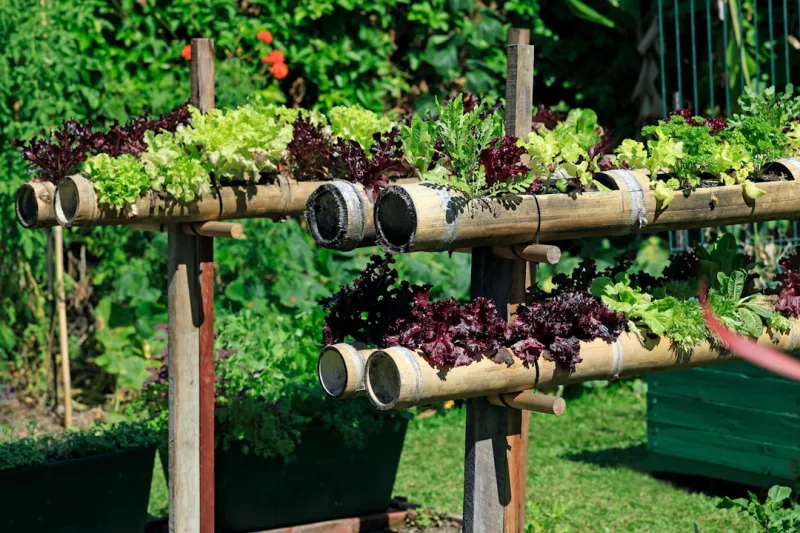
In today’s world where urbanization is prevalent, many of us find ourselves confined to small apartments or homes with limited outdoor space. These constraints can turn our green dreams into dust; however, all hope is not lost! One fantastic way to bring nature into your life—even when space is at a premium—is by creating a vertical garden. By utilizing upcycled pallets and self-watering containers, we can maximize our growing potential while also reducing waste. This project not only promotes eco-friendliness but also allows you to cultivate herbs, flowers, and vegetables right in your backyard or balcony!
Vertical gardens offer an array of benefits. Firstly, they utilize vertical space, making them ideal for small areas. They can improve air quality and offer a lush aesthetic appeal. Such gardens can yield fresh produce, minimizing trips to the grocery store, thereby encouraging a sustainable lifestyle. Additionally, nurturing plants can serve as a therapeutic practice, reducing stress and promoting mental well-being.
This project is beginner-friendly, requiring basic DIY skills and tools. Whether you’re a seasoned gardener looking to diversify your planting methods or a newbie seeking to foster your green thumb, this guide is tailored to walk you through the process step-by-step. So grab your tools, and let’s get started on creating a stunning vertical garden that not only beautifies your space but also sustains life!
Tools Needed
1. Handsaw or Reciprocating Saw: Essential for cutting your pallet to the desired size.
2. Power Drill: Used for making holes for drainage and for securing components together. It saves time and effort compared to manual options.
3. Measuring Tape: To ensure accurate measurements for cutting and spacing.
4. Sandpaper or a Sander: Important for smoothing down rough edges and surfaces on the pallets to prevent splinters.
5. Staple Gun: To secure landscaping fabric to the pallet, ensuring soil stays in place.
6. Paintbrush and Wood Sealer: For applying a protective finish to the pallet. It increases the pallet’s longevity, preventing rot and degradation.
7. Trowel: A small hand tool perfect for digging, turning, and moving soil when filling your containers.
8. Level: To ensure your vertical garden is straight and balanced once assembled.
Materials
1. Old Wooden Pallet (1): Find one that’s sturdy and in good condition. The size will depend on your desired garden height and width.
2. Landscaping Fabric (1 roll): About 3-4 feet in length will do. It keeps soil inside the pallet while allowing for drainage.
3. Self-Watering Containers (4-6): You can use plastic pots with built-in reservoirs or DIY your own. Ensure they have adequate drainage holes.
4. Potting Soil (2 bags): Look for moisture-retaining potting soil specifically designed for potted plants.
5. Plants/Seeds (assorted): Choose based on your preference, climate, and space. Herbs, cherry tomatoes, or flowering plants are great options.
6. Wood screws/nails (1 box): Choose 1.5-inch screws for assembling the pallet and securing containers.
7. Wood Paint/Stain (1 quart): Non-toxic varieties are preferable; they will protect the wood from decay.
8. Plastic Sheeting/Tarp (1): This will protect your surfaces when working with soil and plants.
9. Watering Can/Sprayer (1): For easy watering once your garden is set up.
10. Gloves (1 pair): To protect your hands while handling wood and soil.
8-10 Detailed Steps
Step 1: Select and Prepare Your Pallet
Before you start, choose a sturdy wooden pallet. Ensure it is safe to use; look for markings like “HT” (heat-treated) since chemically treated pallets can be harmful. Unload any items and clean the pallet thoroughly using a soft brush or soap and water. If necessary, let it dry under the sun to prevent mold.
Tip: If you can, choose a pallet that appears undamaged and without splinters. This way, you can reduce the amount of sanding needed.
Step 2: Disassemble the Pallet (If Necessary)
If your pallet is larger than you require or if it's damaged, consider disassembling it. Use a handsaw or reciprocating saw to remove the slats from the frame. Cut strategically to preserve as many usable pieces as possible for the next steps.
Safety Tip: Always wear gloves and protective eyewear while using cutting tools to prevent any injuries.
Step 3: Sand the Edges and Surfaces
Using sandpaper or a sander, smooth down all the edges and surfaces of the pallet. This not only enhances the appearance but also prevents splinters when handling. Pay close attention to any sharp corners or exposed nails.
Tip: Spend extra time on the parts where you’ll be planting; it ensures the safety of your plants as well.
Step 4: Attach Landscaping Fabric
Cut a piece of landscaping fabric to fit the back and sides of your pallet. Secure it using a staple gun along the edges of the wooden pallet. This fabric will hold the soil in place while allowing excess water to drain out.
Tip: Leave the bottom open; you want excess water to flow out through the base of the pallet.
Step 5: Prepare Self-Watering Containers
If your containers do not come with a built-in self-watering mechanism, you can DIY it. For example, you could use two pots—one with holes acting as an outer reservoir and another pot inside that holds actual soil and plants. Fill the outer pot with water, which will infiltrate the inner pot via the holes.
Tip: Ensure your pots match the palette's design to maintain aesthetic harmony!
Step 6: Fill Containers with Soil
Using a trowel, fill the containers with potting soil, leaving enough space at the top for plants. Make sure the soil is even and tamp it down gently to eliminate air pockets. This ensures that your plants have good support for healthy growth.
Tip: Water the soil before planting to encourage better soil compaction and to make planting easier.
Step 7: Plant Your Choice of Vegetables or Flowers
Take your seeds or seedlings and plant them according to the instructions. Ensure that the deeper-rooted plants are placed in larger containers or the bottom of the pallet for proper growth. For vertical gardening, consider the sunlight each plant requires and arrange taller plants at the top and shorter plants at the bottom.
Tip: Label your plants! You can easily forget what you've planted, especially if you’re new to gardening.
Step 8: Secure the Pallet in Place
If you are placing your vertical garden against a wall, ensure that it is stable and secure. If using it as a freestanding garden, consider bracing it with garden stakes or anchoring it to prevent tipping over. Level the pallet to ensure stability and that the water will drain properly.
Safety Tip: Always check that the pallet does not lean excessively; a well-structured garden is essential for both your plants and your safety.
Step 9: Water and Monitor Care
Water your new garden, initially soaking the soil but avoiding waterlogging. Monitor your plants for proper moisture levels, especially since self-watering containers may require you to check the water level regularly. Adjust watering as needed based on weather conditions; you’ll discover your plants’ preferences over time.
Tip: Keep a watering journal! Document your watering routine, and you’ll know what works best for your garden.
Step 10: Maintain Your Vertical Garden
Once established, maintain your vertical garden by regularly checking for weeds and the health of your plants. Prune dead leaves, and ensure your self-watering mechanisms remain functional. Fertilize as required and consider rotating plants seasonally for optimal growth.
Tip: Invite friends for a planting session; this can make the maintenance process a fun and social affair!
Troubleshooting
Common Issues with Fixes
1. Brown, Wilted Leaves: This is often a sign of underwatering or lack of nutrients. Make sure you consistently check water levels in your self-watering containers and consider adding organic fertilizer.
2. Pests: Aphids, spider mites, and other pests can quickly ruin a vertical garden. Inspect your plants frequently, and if you spot pests, use insecticidal soap or neem oil to treat the affected areas.
3. Stagnant Water: If water is pooling at the bottom of your containers, this might mean the drainage holes are clogged. Inspect and clear any obstructions to provide good airflow and prevent root rot.
4. Inconsistent Growth: If some plants are thriving while others are struggling, check their sunlight requirements. Some herbs may require more sun, while others prefer partial shade; adjust their positioning if necessary.
5. Overcrowding: Plants that grow too close together could stunt their growth. Ensure you are following the recommended spacing guidelines for your chosen species and replant if too close.
Conclusion
Creating a vertical garden using upcycled pallets and self-watering containers is an engaging and rewarding project that brings nature into your home while promoting sustainability. Take pride in your handiwork as you harvest fresh herbs, vegetables, or flowers from your very own creation. Consider variations like painting your pallet or adding decorative elements, which can transform a purely functional structure into an impressive woodwork.
One key aspect of maintaining your new vertical garden is to engage consistently with your plants and adapt your care routine based on their needs. With dedication and a little creativity, your vertical garden can flourish for years, offering not just beauty but a harvest that you can enjoy!