How to create a vertical garden using reclaimed pallets and a drip irrigation system
Introduction
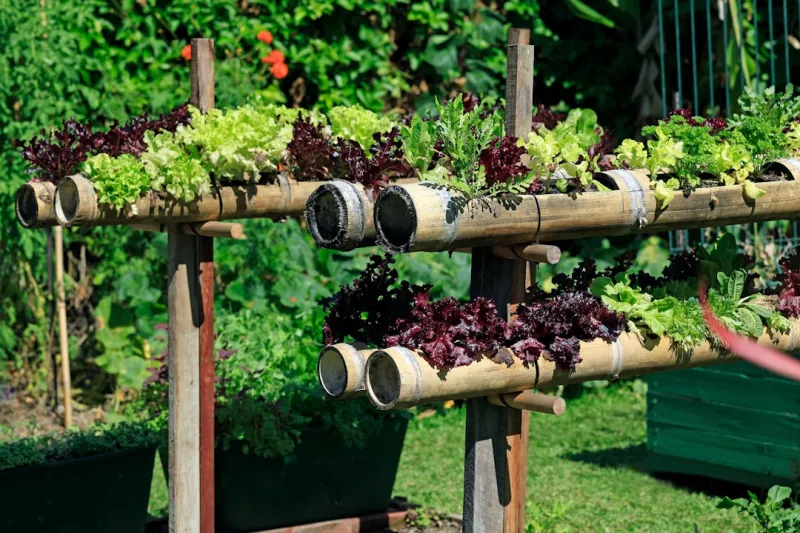
Vertical gardens are becoming increasingly popular in modern home and urban gardening. This particular project—creating a vertical garden using reclaimed pallets—is an innovative way to bring a touch of greenery into your space, especially if you're limited on ground area. Using reclaimed materials not only gives your garden a rustic aesthetic but also promotes sustainability by reusing items that might otherwise end up in a landfill.
Furthermore, vertical gardening offers numerous advantages, including maximizing space, improving air circulation, and even enhancing the aesthetic appeal of your living space. Vertical gardens are perfect for apartments, small homes, or any location lacking a traditional garden. Additionally, they can also improve mental well-being and increase biodiversity in your area.
For beginners, this DIY project combines practical woodworking with the joys of planting and nurturing plants. While the task may seem daunting, the skills required can be picked up relatively easily. With the right tools, materials, and guidance, you can develop a rewarding, green space without needing to be a professional gardener. Follow this detailed guide to create your own stunning vertical garden using reclaimed pallets and a drip irrigation system.
Tools Needed
1. Screwdriver/Drill: Essential for assembling the pallets and securing them together. 2. Saw: Necessary for cutting the pallets to design your vertical garden. A hand saw or reciprocating saw will both do the job effectively. 3. Staple Gun: Used for fastening landscape fabric to the pallet, ensuring the soil stays in place. 4. Level: Helps ensure your vertical garden is hung straight on the wall. 5. Measuring Tape: Critical for measuring the size of your pallets, location, and plants to ensure proper fit. 6. Pliers: Handy for removing nails or securing any loose parts of the pallet. 7. Gloves: Protect your hands from splinters and dirt as you work with the wood and plants. 8. Watering Can or Hose: While the drip irrigation system will do most of the work, having a watering can or hose will be useful for watering newly planted seeds or seedlings.
Materials
- Reclaimed pallets: 1-2 (depending on size)
- Landscape fabric: 1 roll (usually 3-4 yards)
- Staples: 1 box (to secure landscape fabric)
- Wood screws: 1 box (for assembly)
- Drip irrigation kit: 1 (includes tubing and emitters)
- Potting soil: 2-3 bags (enough to fill the pallet openings)
- Plants or seeds: Your choice (3-10 plants depending on pallet size)
- Planter boxes or pots: 2-3 (optional, for additional plants)
- Wood sealant or outdoor paint: 1 can (for preserving the pallets)
- Plant food/fertilizer: As needed
Step-by-Step Guide to Create Your Vertical Garden
1. Select Your Location
What: Before you start building, decide where you want your vertical garden.
How: Look for a spot that receives sufficient sunlight while also being easily accessible for maintenance, watering, and harvesting. Ideally, ensure it is protected from heavy winds.
Tips: Measure the wall space you plan to use in order to visualize the size of the pallets against that area. An excellent choice might be a south-facing wall, as it generally provides the most sunlight.
Safety: Check for any electrical lines or plumbing behind the wall that may affect where you attach your vertical garden.
2. Prepare the Reclaimed Pallets
What: Clean and prepare your pallets for planting.
How: Use a broom to remove any dust and debris, then inspect the pallets for damage, rot, or splinters. Sand down rough areas to create smoother surfaces, preventing injury while building and when planting.
Tips: If they show signs of pesticides or chemicals, consider sealing them or swapping for a healthier pallet.
Safety: Wear gloves while handling and sanding pallets to avoid injury from splinters.
3. Assemble the Pallet Structure
What: Join multiple pallets or create a single-layer structure.
How: Use screws to bind the pallets together. You can stack pallets on top of one another or place them side by side, depending on your desired design.
Tips: Use a level to ensure each pallet is aligned correctly. Securing them tightly will provide stability, and keep your vertical garden intact when filled with soil and plants.
Safety: When using a power drill, always wear safety goggles to protect your eyes from flying debris.
4. Attach Landscape Fabric
What: This layer will help contain soil and prevent erosion.
How: Cut landscape fabric to the appropriate size, leaving excess at the edges to wrap around. Use a staple gun to secure it to the back and sides of the pallet. Make sure it covers each opening.
Tips: Allow the fabric to extend over the edges as a flap that can be folded down and secured. It will help contain the soil and keep it from spilling out.
Safety: Be cautious while using the staple gun as it can pinch fingers if not handled properly.
5. Fill with Potting Soil
What: Prepare the growing medium for your plants.
How: Fill each opening in the pallet with potting soil, pressing it firmly to eliminate air pockets. Leave a little bit of room at the top for your plants.
Tips: Consider mixing in a slow-release fertilizer into your potting soil to provide your plants with needed nutrients.
Safety: Make sure to work on a level surface and use a sturdy shovel or scoop to fill your pallets with soil to avoid back strain.
6. Choose Your Plants
What: Select plants appropriate for your vertical garden.
How: Opt for herbs, flowers, or vegetables that will thrive in the collected soil and reach towards the sun. Common choices include strawberries, lettuce, and climbing vines like beans.
Tips: Research plant compatibilities and growth habits. Some plants may require more water or sun than others, so choose wisely to avoid competition.
Safety: Check for any allergies you may have to specific plants before handling them.
7. Plant Your Selections
What: Position your plants or seeds within the potting soil.
How: Carefully remove the plants from their nursery pots and make small holes in the soil of the pallet. Place them in the holes, ensuring the roots are well covered, and lightly pat the soil around them.
Tips: If you are planting seeds, follow the specific instructions for depth and spacing. Always label your seeds if you are using multiple varieties.
Safety: Wash your hands after handling soil, seeds, or plants, especially if you have cuts or scratches.
8. Install the Drip Irrigation System
What: Provide an efficient and effective watering mechanism.
How: Follow the instructions of your drip irrigation kit. Position the mainline tubing across the top of your pallet and connect it to a water source. Ensure emitters are placed in each plant section for uniform watering.
Tips: Adjust the flow rate on your emitters according to your plants' needs. Consider setting it on a timer for automatic watering.
Safety: Ensure all connections are tight to prevent water leaks. Test the system to check for proper delivery before finalizing your installation.
9. Hanging the Pallet Garden
What: Secure your finished pallet garden to the wall.
How: Using your drill, install heavy-duty brackets or screws into the wall, ensuring they can bear the weight of the assembled pallet and its contents.
Tips: Consider using sturdy hooks for easy removal or adjustments in the future.
Safety: Make sure the hanging mechanism is secured well; double-check all screws and weight limits before displaying your garden.
10. Maintain Your Vertical Garden
What: Regular upkeep is crucial for plant health.
How: Water your garden based on soil moisture, typically checking the soil a couple of inches down. Fertilize regularly and prune any overgrown plants as needed.
Tips: Keep an eye out for pest infestations or disease signs. An organic pesticide or neem oil can be used if necessary.
Safety: Use gloves when handling fertilizers and pesticides to avoid skin irritation.
Troubleshooting Common Issues
1. Plants Wilt or Turn Yellow: Often, this indicates overwatering or insufficient sunlight. Check the moisture levels in the soil; if it's too wet, adjust your watering schedule and ensure your garden receives enough light.
2. Soil Erosion: If soil is spilling out of the pallet, it may need more landscaping fabric. Apply a new layer or add more soil to fill any gaps fully.
3. Pests or Infestation: Check for signs like holes in leaves or unwanted visitors on plants. Use organic insect repellents and keep your garden clean, removing any debris.
4. Watering Issues from Drip System: If some plants are not receiving enough water, ensure emitters are installed correctly and adjust their positions as necessary. Examine the tubing for clogs or leaks.
5. Plants Not Growing Well: If growth is stunted, evaluate sunlight, water, and soil quality. Some plants may require specific nutrients or growing conditions, so adjusting these can encourage better growth.
Conclusion
Creating a vertical garden using reclaimed pallets and a drip irrigation system presents a rewarding opportunity for anyone, especially beginners in gardening and DIY projects. By following this guide, you'll not only produce a stunning arrangement of plants that beautifies your space but also champion an eco-friendly, sustainable approach to gardening.
There are endless variations for personalization, from experimenting with different plant types to even decorating your pallet garden with paint or additional shelving to house more plants. Regular maintenance will keep your garden thriving and sustainable long after its installation.
If you maintain your garden properly, you can enjoy your green spaces year-round, even in small living environments. Remember, every gardening adventure comes with joy and learning.
Happy planting!