How to create a self-watering indoor herb garden using reclaimed materials
Introduction
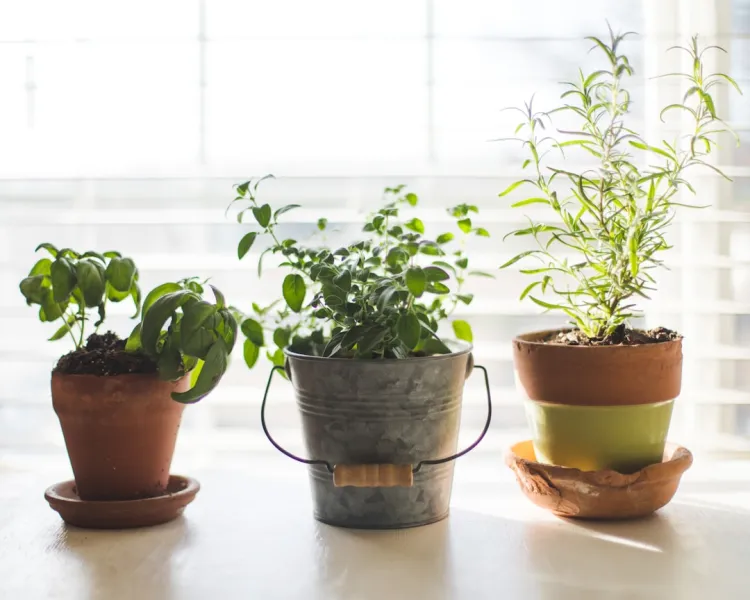
Creating a self-watering indoor herb garden is not just a great way to bring greenery into your home; it also serves a host of practical purposes that cater to your culinary and aesthetic needs. When we think about herbs, we often envision a bountiful pot of fresh basil, mint, or rosemary that can elevate our cooking. However, buying fresh herbs from the store can be expensive and often leads to waste as they spoil quickly. This project allows you to grow your herbs conveniently indoors while also promoting sustainability by utilizing reclaimed materials—items you would typically discard.
The beauty of creating a self-watering system is that it ensures your herbs receive a consistent moisture supply without the risk of overwatering, which is a common pitfall for many beginner gardeners. By setting up a self-watering system, you'll eliminate daily watering chores, enabling you to focus on tasks like cooking or enjoying your flourishing garden. This project is suitable for individuals of all skill levels, particularly beginners who are eager to learn about gardening while also practicing eco-friendly habits.
In this step-by-step guide, we'll walk through the tools and materials needed, the detailed steps to create your garden, and some troubleshooting tips to help you maintain your herbal oasis. Let’s dive into the rewarding world of indoor gardening!
Tools Needed
1. Drill - You'll need a power drill for making drainage holes in containers or creating a self-watering apparatus. A drill makes this process quick and efficient.
2. Screwdriver - This will be useful in assembling parts of your self-watering system or making adjustments as needed.
3. Scissors - A sturdy pair of scissors will help you cut any cords or string you might use for the self-watering system.
4. Ruler - To measure dimensions accurately for your containers and the reclaimed materials. This helps ensure a snug fit.
5. Pencil - Ideal for marking areas accurately on your containers and materials before cutting or drilling.
6. Watering Can - While the system is self-watering, you might occasionally need a watering can to top up the reservoir when you first plant your herbs.
7. Sandpaper - Useful for smoothing any rough edges of your reclaimed materials to ensure safety and aesthetics.
8. Gloves - Protective gloves not only keep your hands clean but also protect them from sharp edges of the reclaimed materials.
Materials
1. Plastic Bottles or Jugs - 2-3 units (for the reservoir and planters): Repurposed bottles serve as the base for your gardening system.
2. Old Wooden Pallet or Scrap Wood - 1 unit or as needed: Ideal for creating a stable base or shelf for your garden.
3. Small Rocks or Pebbles - 1 bag (2-5 lbs): These act as drainage material and can help prevent clogging in the soil.
4. Potting Soil - 1 bag (5-10 quarts): Essential for planting your herbs; choose a high-quality organic mix if possible.
5. Herb Seeds or Seedlings - 4-5 packs: Choose your favorite culinary herbs such as basil, cilantro, thyme, and parsley.
6. Cotton Rope or Strips of Fabric - 1-2 lengths (3-4 feet each): Acts as a wick to absorb water from the reservoir into the soil, ensuring moisture.
7. Plastic Food Containers - 1-2 units: Good for smaller herb plants or for a tiered garden approach.
8. Wooden Stakes or Popsicle Sticks - 4-5 units: To label your herbs and additionally provide support to growing plants.
9. Paint or Stain (Optional) - 1 container: To decorate your garden and protect the wood if you’re using a wooden base.
10. Sealant (Optional) - 1 can: For waterproofing wooden elements, ensuring durability over time.
### Step 1: Collect Your Reclaimed Materials
Before beginning your project, immerse yourself in a little recycling escapade. Scour local thrift stores, yards, or your home for materials that can be repurposed. Look for plastic bottles, old wooden pallets, or containers that can be transformed into a self-watering system. This not only reduces waste but will give your garden a unique character.
Tip: Take some time to think creatively about what can be reused. Old coffee tins or cardboard boxes can become innovative planters too!
Safety: While gathering materials, make sure to handle items with sharp edges carefully, especially broken glass or rusty metal.
### Step 2: Prepare Your Containers
Once you've gathered all your materials, it’s time to get them ready for use. Start by cleaning your plastic bottles or containers thoroughly, removing any labels and residue to ensure a healthy environment for your herbs.
Next, for the larger containers, use a drill to create holes in the bottom and, if desired, on the sides for ventilation and drainage. Smaller containers or food storage containers can often retain excess moisture, so be sure to check for their material permeability.
Tip: If you’re using wood to create a base or shelf for your garden, sand down any rough surfaces to avoid splinters.
Safety: Always wear safety glasses while using power tools and be mindful of your fingers around sharp edges.
### Step 3: Set Up the Self-Watering Mechanism
A crucial component of your indoor herb garden is the self-watering system. For this, you’ll need to cut lengths of cotton rope or strips of fabric to use as wicks. These will transfer water from the reservoir to the soil.
Fill your plastic bottle with at least half of its capacity with water and then ensure it is securely placed beneath your planter container. Feed one end of the wick into the water and thread the other end into the soil of your herb planter. This method will ensure the soil remains moisturized while reducing the need for constant watering.
Tip: Make sure that the wick is fully submerged in the water while still allowing enough to protrude into the soil (about 1-2 inches).
Safety: Ensure the setup is stable; a toppled container can lead to spills and potential messiness.
### Step 4: Add Drainage Material
With your containers ready and the self-watering mechanism set, it’s essential to prepare the base of your planters. Add about an inch of small rocks or pebbles to the bottom of each container.
This layer will promote drainage, preventing the roots from sitting in water, which can cause rot. Make sure the rocks do not block the wick; they should create a separation between the wick area and the soil.
Tip: The pebbles can also enhance drainage in the upper soil if there are extra moisture levels.
Safety: Be careful when handling rocks to avoid pokes or scrapes; gloves can help protect your hands.
### Step 5: Fill with Potting Soil
Now it’s time to add potting soil to your containers. Fill them to about an inch below the rim, allowing you to leave space for planting your herb seeds or seedlings. The organic potting mix will provide the necessary nutrients for your herbs.
As you fill, make sure to break apart any large clumps in the soil to ensure that air can circulate, which is essential for healthy root growth.
Tip: A light squeeze of the soil can help you assess its moisture; it should feel somewhat damp but not soggy.
Safety: Remember to wear gloves while handling soil, especially if you have allergies or sensitive skin.
### Step 6: Plant Your Herbs
Now comes the exciting part—planting your herbs! Whether you're using seeds or seedlings, create small holes in the soil at the recommended spacing for each herb. For seed packets, read package instructions to determine the right depth.
After planting the seeds or settling seedlings in, cover them lightly with soil and gently press down to remove any air pockets. A light watering right after planting can help set the soil around your plants.
Tip: Labels are incredibly helpful to identify what you've planted. Use wooden stakes or popsicle sticks to mark each herb variety.
Safety: Handle seeds and seedlings with care, particularly if they are fragile.
### Step 7: Position Your Indoor Garden
Finding the right spot for your self-watering herb garden is critical to ensure optimal growth. Indoor herbs generally thrive with at least 6-8 hours of indirect sunlight daily. A well-lit windowsill or a spot close to a window is ideal.
Consider factors such as air circulation and temperature, keeping in mind that herbs prefer warm conditions away from cold drafts or extreme heat sources.
Tip: Rotating your plants periodically can ensure they grow evenly.
Safety: Ensure that your setup isn’t near any flammable items, especially if you choose to use candles for ambiance.
### Step 8: Maintenance and Monitoring
For the first few weeks, monitor your indoor herb garden closely. Check the water levels in your reservoir to ensure the wick remains functioning properly. If you notice the top layer of soil becoming dry, you may need to top off the reservoir, as the wick may need a jumpstart.
Regularly inspect your plants for signs of pests or diseases; keeping them indoors can sometimes create an environment for unwanted visitors.
Tip: If some herbs show stunted growth, try rotating them or adjusting the lighting—some herbs may thrive in slightly different conditions.
Safety: Always wash your hands after handling plants, particularly if they have been treated with pesticides or fertilizers.
Troubleshooting
Even the best-laid plans can hit snags. Here are some common issues and their fixes:
1. Overwatering: If plants start wilting or discoloring, reduce the water level in the reservoir. Make sure the wick isn’t submerged entirely.
2. Underwatering: If soil feels dry or cracks appear, add more water to the reservoir. Check that the wick is still functioning and reaching the soil.
3. Mold Growth: Excess moisture can lead to mold development. Ensure proper ventilation and reduce watering frequency.
4. Weak Growth: This can be due to insufficient light. Move your garden to a brighter location or consider adding grow lights.
5. Pest Issues: Aphids or spider mites can invade indoor plants. Use a mixture of soap and water to spray affected plants, targeting the undersides of leaves.
Conclusion
Creating a self-watering indoor herb garden using reclaimed materials not only beautifies your home but allows you to enjoy the fresh taste of homegrown herbs year-round. You’ve learned how to repurpose everyday items into a sustainable gardening system, making this project as environmentally friendly as it is rewarding.
Feel free to experiment with variations; try incorporating different plants, using different container shapes, or even creating tiers of herb gardens to maximize space on your windowsill. Maintenance is minimal—just keep an eye on water levels and light conditions.
In the end, you will have cultivated not just herbs, but potentially a newfound love for gardening. The experience of nurturing these plants will connect you with nature right inside your home. Happy gardening!