How to create an eco-friendly vertical garden using repurposed pallets and upcycled containers
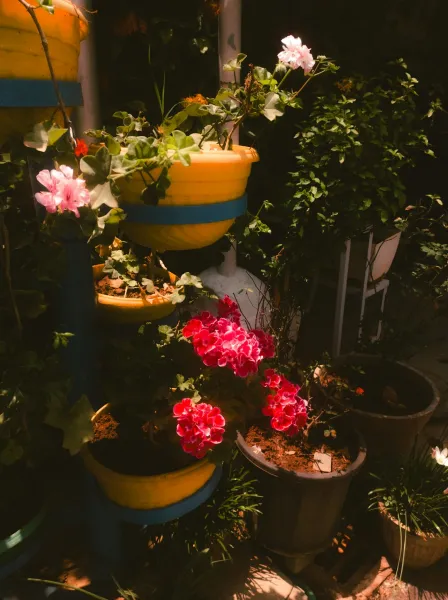
Vertical gardening is a groundbreaking way to add greenery to small spaces, beautify empty walls, and promote eco-friendly practices. In an era where urbanization is pushing gardens into the shadows, creating a vertical garden is a sustainable solution that enhances aesthetics and contributes to environmental health. Using repurposed pallets and upcycled containers not only reduces waste but also encourages a hands-on approach that fosters creativity and connection to nature.
Importance of This Project
Choosing to create a vertical garden using repurposed materials is a fantastic way to engage with sustainability. By using items that would otherwise be discarded, you are actively reducing your carbon footprint. Furthermore, engaging in gardening allows you to grow your own food, flowers, or herbs, which can significantly reduce the need for store-bought produce that often comes at a higher environmental cost.
On a personal level, vertical gardening serves as an avenue for stress relief and mindfulness. The act of nurturing plants can calm the mind and create a sense of fulfillment. Therefore, not only is this project environmentally friendly, but it also promotes emotional well-being.
Benefits of Vertical Gardening
- Space-Efficient: Ideal for urban settings where space is limited.
- Improves Air Quality: Plants naturally filter pollutants from the air.
- Aesthetic Appeal: There’s nothing quite like the beauty of greenery adorning your walls.
- Biodiversity: Encourages local wildlife such as bees and butterflies, promoting biodiversity.
- Food Security: Grow your own herbs and vegetables at your fingertips.
Skill Level
This project is suitable for beginners. While some tools may seem intimidating at first glance, follow along carefully, and you will find the process manageable and enjoyable. With a little creativity, patience, and enthusiasm, you can create a stunning vertical garden that you can be proud of.
Tools Needed
1. Saw (Hand or Power): Used to cut pallets and wood to the desired size. A hand saw is quieter and more controllable, while a power saw offers speed. 2. Screwdriver: Essential for assembling parts. A cordless drill with screwdriver bits can save effort and time. 3. Sandpaper or Power Sander: Helps smooth rough edges, especially on pallets that may splinter. Safety is key here to avoid injuries. 4. Paintbrush: For applying wood sealant or paint to the pallets. A good brush ensures even coverage and a professional look. 5. Level: To make sure your vertical garden hangs straight. This keeps your plants looking great. 6. Garden Trowel: A small hand tool for planting and moving soil. Ideal for working in tight spaces. 7. Gloves: Protects your hands from splinters when handling pallets and prevents soil-related skin irritations. 8. Measuring Tape: Accurate measurements are crucial for a well-assembled garden.
Materials Needed
1. Wooden Pallet: 1-2 pallets, depending on the size of your garden. 2. Potting Soil: 2-3 bags (about 1.5 cubic feet each) to fill containers. 3. Upcycled Containers: 5-10, depending on the plants you want to grow; consider old tin cans, buckets, or crates. 4. Plants/Seeds: 5-10, depending on container size (herbs, succulents, or small flowers work well). 5. Wood Sealant or Non-Toxic Paint: 1 quart; this protects the pallet from the elements. 6. Nails or Screws: 1 bag (1–2 inches) to secure containers or parts of the pallet together. 7. Landscape Fabric: 1 roll, which helps retain soil while allowing water drainage. 8. Drill with drill bits: For creating drainage holes in containers. 9. Hanging Hardware: Eye hooks and wire (weight-dependent) for mounting the pallet on your wall. 10. Watering Can or Hose: For watering your plants easily.
Step-by-Step Instructions
Step 1: Choosing the Right Location
Before you begin assembling, select an appropriate location for your vertical garden. Look for a spot that receives adequate sunlight, typically 6-8 hours a day, depending on the plants you choose. A wall or fence that is sturdy and accessible for maintenance is ideal. If your chosen wall is not completely out of the wind, consider placing a trellis behind it for additional support.
Tips: Observe the sunlight pattern at varying times throughout the day and consider positioning your plants according to their sunlight needs. Keep in mind that some plants thrive best in partial shade.
Step 2: Preparing the Pallet
The next step is to prepare your wooden pallet.
- Use sandpaper or a power sander to smooth out any rough edges. This is crucial for safety, especially if children or pets will be around the garden.
- If deciding to paint or seal the pallet, now is the time to do that. Apply a non-toxic wood sealant or paint, making sure to cover it evenly on all sides to protect against moisture.
Step 3: Securing the Pallet
Next, if you plan to hang your pallet vertically, secure it properly by attaching eye hooks to the top corners with a drill, ensuring that they are tightly fastened.
- Use a level at this stage to ensure that the pallet will hang straight before you secure the bottom.
Step 4: Adding Landscape Fabric
To keep potting soil inside your containers without leaking out, add landscape fabric.
- Cut the fabric to fit over the back of the pallet, tucking it into the bottom and securing it with a staple gun.
- Be certain to leave enough of a gap at the bottom for drainage, as stagnant water can harm your plants.
Step 5: Mounting the Containers
Now it's time to attach your upcycled containers to the pallet.
- You can either drill directly into the pallet wood or use nails or screws to attach each container securely.
- Space containers evenly to maintain a visually appealing arrangement. Depending on the size, you should allow enough room for plant growth and easy access for watering.
Step 6: Soil and Drainage
Prepare your potting soil by mixing it thoroughly to ensure even distribution of nutrients.
- Fill each container with potting soil, leaving about an inch of space at the top for plants and watering.
- Use the trowel to pack soil down lightly but not too tightly; roots need room to expand.
- Drill holes in the bottom of containers if they don’t already have drainage.
Step 7: Planting
Select plants that complement each other in terms of light and water requirements.
- Plant your chosen herbs, flowers, or succulents into the soil, ensuring that they’re well-placed for optimal growth.
- Make sure to refer to a specific planting guide for each plant, focusing on spacing and depth.
Step 8: Watering and Maintenance
Once your plants are secure in their new homes, water them thoroughly, ensuring moist soil but not waterlogged.
- After the initial watering, monitor the water needs, and adjust accordingly. Less frequent, deeper watering is often better than shallow, frequent watering.
- Consider setting a weekly schedule for watering and for checking your plants’ health.
Step 9: Hanging or Securing the Vertical Garden
If you’re hanging the vertical garden on a wall, now is the time to raise it into place.
- Use strong wire to hang the pallet from the eye hooks you installed in Step 3. Ensure it is securely fastened.
- If you've opted for a ground placement, simply position it against the wall, checking for stability.
Step 10: Enjoying Your Garden
Finally, stand back and admire your hard work!
- Take photographs of your vertical garden as it begins to grow over the next weeks and months.
- Adjust plants and containers as needed while you observe growth and health.
Troubleshooting Common Issues
1. Overwatering: If plants appear droopy and wilted, check the soil's moisture. Allow drainage to occur before watering again.
2. Inadequate Sunlight: If plants seem leggy or pale, they may not be receiving enough sunlight. Consider moving the garden to a sunnier spot or adding reflective mirrors.
3. Pests: Small insects may infest your plants. Introduce natural pest deterrents like companion planting or use an insecticidal soap to combat the issue.
4. Soil Erosion: Soil can wash out during watering. Ensure your containers have adequate drainage and that the landscape fabric is well-secured around the edges.
5. Plants Outgrowing Space: If your plants are becoming overcrowded, consider trimming them back or relocating some to larger containers or your traditional garden.
Conclusion
Creating an eco-friendly vertical garden using repurposed pallets and upcycled containers is a fulfilling and sustainable project. From the careful selection of materials to the delightful act of planting, each step fosters a deep connection to nature and reinforces your commitment to the environment.
Variations abound—experiment with different plant species, container shapes, and arrangements to keep your garden dynamic and visually engaging. Regular maintenance ensures that your vertical garden thrives and adds beauty to your space.
Remember, gardening is as much about the journey as it is about the outcome. Don’t hesitate to explore new ideas and practices, making your garden truly unique!