How to create an indoor vertical garden using repurposed plastic bottles and LED grow lights
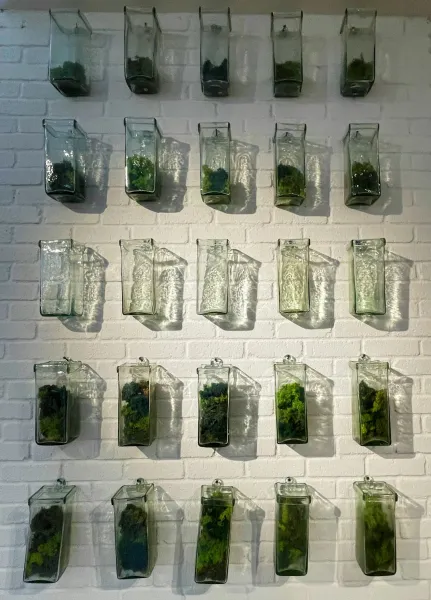
Creating an indoor vertical garden is not just an eco-friendly project; it’s a rewarding way to incorporate some greenery into your living space. With the use of repurposed plastic bottles and LED grow lights, you can transform waste materials into vibrant plant holders while adding an aesthetic element to your home. In this guide, we’ll walk you through the steps to set up your vertical garden, ensuring you reap the numerous benefits of indoor gardening.
Why This Project?
Indoor gardening is experiencing a resurgence, and for good reasons. This DIY project allows you to grow herbs, vegetables, or ornamental plants in a limited space, making it ideal for urban dwellers living in apartments or homes with little outdoor space. Aside from enhancing the decor, indoor gardens play a crucial role in improving air quality by converting carbon dioxide into oxygen. Watching plants thrive can also be incredibly therapeutic, providing mental health benefits like reduced stress and increased happiness.
Using repurposed plastic bottles for this project not only saves you money but also helps reduce plastic waste, promoting sustainability. The addition of LED grow lights ensures that regardless of the amount of natural light in your home, your plants will receive the necessary light spectrum for photosynthesis, leading to healthy growth. This project is suited for beginner gardeners, requiring only basic skills and a bit of creativity.
Skill Level: Beginner
Even if you’re new to gardening or DIY projects, this indoor vertical garden is simple enough to tackle. Gather your materials, follow the instructions closely, and you will have a beautiful, functioning vertical garden that elevates your indoor space.
Tools Needed
1. Scissors: Essential for cutting plastic bottles; ensure they’re sharp for clean edges. 2. Drill: A power drill with drill bits to create holes in the plastic bottles for drainage and hanging. 3. Utility Knife: Useful for larger cuts or opening the bottles quickly, especially if you prefer a more defined shape. 4. Measuring Tape: For accurately measuring spacing and dimensions while constructing your garden structure. 5. Screwdriver: Needed for attaching elements securely and fastening any brackets or supports. 6. Marker: To mark out cutting lines and measurements, ensuring precision in your cuts. 7. Ruler or Straight Edge: Useful for drawing straight lines for cutting and for alignment during installation. 8. Gloves: To protect your hands while handling materials, especially sharp edges.
Materials
1. Plastic Bottles: 10–12 empty, clean 2-liter soda bottles (or any suitable plastic bottles). 2. Potting Soil: Approximately 5–10 liters, enough to fill the bottles. 3. Seeds or Seedlings: 10–12 of your favorite herbs or small plants (basil, parsley, or lettuce are great choices). 4. LED Grow Lights: 1–2 units depending on your garden size (ensure they provide a full spectrum of light). 5. String or Wire: About 10–20 feet for hanging the bottles. 6. Wall Hooks or Brackets: 5–10 to support your vertical garden. 7. Plastic Tray or Saucer: 1–2 for catching excess water underneath your garden. 8. Watering Can or Spray Bottle: 1 for watering your plants smoothly without overdoing it. 9. Fertilizer: A small bag or bottle of liquid fertilizer to boost plant growth (choose an organic option if desired). 10. Sphagnum Moss (optional): 1 small bag can help with moisture retention if added to the soil blend.
Steps to Create Your Indoor Vertical Garden
# ### Step 1: Prepare Plastic Bottles
What: Start by rinsing your plastic bottles to remove any remnants of the previous contents.
How: Once clean, use scissors to cut each bottle in half vertically, leaving the top half intact to act as the planter. Leave a couple of inches at the bottom to hold the soil.
Tips: Use a marker for precise cutting lines. If you want to create a unique design, you can cut out geometrical patterns on the sides for drainage or visual effect.
Safety: When using scissors or a utility knife, work slowly and wear gloves to avoid cuts.
# ### Step 2: Create Drainage Holes
What: To prevent waterlogging, you need to ensure proper drainage.
How: Use a drill to make a few holes in the bottom of each bottle after cutting. About 5–6 small holes should suffice.
Tips: Ensure the holes are evenly spaced for effective drainage. You can also use a utility knife to poke holes if you don’t have a drill.
Safety: Always handle power tools carefully. Wear gloves and eye protection if necessary.
# ### Step 3: Assemble the Vertical Garden Frame
What: Design how your vertical garden will be structured.
How: Decide on an appropriate wall or stand to mount your vertical garden. Use wall hooks or brackets to secure your bottles, starting from the bottom and moving upward.
Tips: Leave enough space between bottles for growth. Try to stagger the bottles aesthetically.
Safety: Ensure that the wall can support the weight, especially when watered.
# ### Step 4: Fill Bottles with Potting Soil
What: Your plants need good quality soil to thrive.
How: Fill each bottle with potting soil, leaving about an inch from the top. Lightly pack it down to ensure it’s stable.
Tips: Mix in some sphagnum moss for better moisture retention if desired.
Safety: Work over a surface that is easy to clean, in case of soil spills.
# ### Step 5: Plant Your Seeds or Seedlings
What: Now, it’s time to give those plants a home.
How: Plant seeds according to the packet instructions, or transplant seedlings into your prepared bottles. Use a finger or a pen to create holes for the seeds/seedlings.
Tips: Keep larger plants towards the bottom of the vertical garden to prevent overshadowing smaller plants.
Safety: Ensure you handle seedlings gently to avoid damaging their roots.
# ### Step 6: Water Your Plants
What: After planting, your plants will need some moisture.
How: Use a watering can or spray bottle to lightly water the seedlings. Be careful not to overwater; a little moisture is sufficient to start.
Tips: Water until you see it draining from the bottom holes but avoid excess.
Safety: Never allow the soil to become too saturated, as this can lead to root rot.
# ### Step 7: Install LED Grow Lights
What: Since this garden will be indoors, adding LED grow lights is essential.
How: Install your LED grow lights above your vertical garden, ensuring they are approximately 12–18 inches above the plants. Follow the manufacturer’s instructions for installation.
Tips: Use a timer to automate lighting; most plants need about 12-16 hours of light a day.
Safety: Ensure all electrical connections are secure and placed safely away from water.
# ### Step 8: Monitor and Maintain
What: Regular maintenance is key to a thriving vertical garden.
How: Check the soil moisture once a week and adjust watering accordingly. Keep an eye out for pests or diseases. Fertilize based on the specific needs of the plants you’re growing.
Tips: Rotate the plants periodically if they’re leaning towards the light. If using multiple types, research specific care requirements.
Safety: Use organic pesticides if needed, adhering to safe application methods.
# ### Step 9: Harvest Your Plants
What: Enjoy the fruits of your labor!
How: Harvest seedlings as they mature, typically in 4-6 weeks for herbs. Use scissors to gently snip off leaves, promoting continuous growth.
Tips: Regularly harvesting will encourage your plants to produce more.
Safety: Keep tools clean to prevent any bacterial contamination on your plants.
# ### Step 10: Troubleshooting Common Issues
What: As with any gardening project, things may not go perfectly.
How: Stay observant and proactive regarding your plants’ health.
Tips: Regularly document their growth to identify patterns or issues.
Safety: Ensure any tools are used properly to avoid accidents.
Troubleshooting Common Issues
1. Yellowing Leaves: This can indicate overwatering or a nutrient deficiency. Ensure you’re allowing proper drainage and consider adding a balanced fertilizer if undernourished.
2. Drooping Plants: This is often a sign of underwatering. Check the soil moisture and give your plants a good drink if they feel dry.
3. Pests: If you notice holes in leaves or tiny insects, consider using organic solutions like neem oil. Regularly inspect for pests to catch infestations early.
4. Mold on Topsoil: This can happen if the soil is too wet. Allow the soil to dry out slightly and increase ventilation around the plants.
5. Insufficient Growth: Ensure that your LED grow lights are at the correct distance (12-18 inches) and are providing the right spectrum. Adjust the duration of light exposure based on plant response.
Conclusion
Creating an indoor vertical garden with repurposed plastic bottles and LED grow lights offers a sustainable, fulfilling way to grow plants in limited spaces while being an engaging DIY project. As you watch your plants thrive and grow, you'll learn more about gardening, sustainability, and self-sufficiency.
Remember that variations of this project are endless—consider using different bottle shapes, colors, or configurations, or incorporate a hydroponic system for advanced growth. Regular maintenance and monitoring will keep your indoor oasis vibrant. Whether you are cultivating herbs for culinary use or beautifying your home with ornamental plants, you will relish the rewards of your indoor vertical garden.