How to create a vertical garden using repurposed plastic bottles and succulents
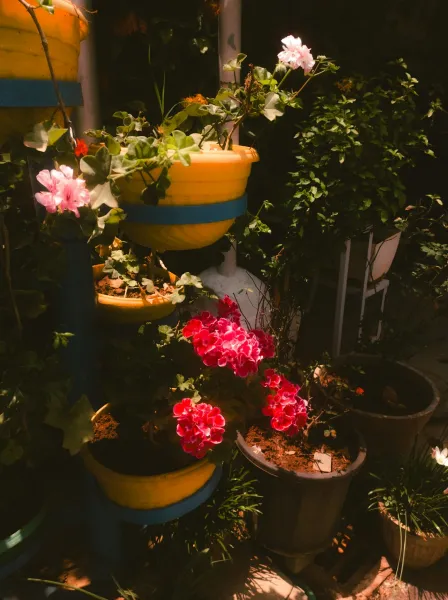
Creating a vertical garden using repurposed plastic bottles and succulents is a rewarding, eco-friendly project that will beautify your space while also promoting sustainability. In a world grappling with plastic waste, this DIY project allows you to transform discarded materials into something vibrant and alive. Vertical gardens save space and can dramatically change the aesthetic of a wall or patio, allowing you to enjoy the beauty of nature, even in small living areas.
This project is perfect for those who have limited outdoor space or simply want to take on a fun, creative task that adds freshness to their home. Building a vertical garden also places you in touch with your green thumb—an enriching activity that lets you personalize your living area with unique plant displays. Plus, succulents are among the most forgiving plants for beginners, requiring minimal care and thrumming with life.
Skill Level: This DIY project is beginner-friendly, requiring no specialized gardening skills. Anyone with an eagerness to learn can complete this project with patience and guidance. Furthermore, the satisfaction of creating something beautiful from waste significantly enhances the experience.
Tools Needed
1. Scissors or Utility Knife: You'll need these sharp tools to cut the plastic bottles to size. Ensure they are sharp enough to make clean cuts for a professional look.
2. Drill with Drill Bits: A drill is necessary for creating drainage holes in your bottles, ensuring proper water flow and preventing root rot in the plants.
3. Marker/Pen: To mark where you want to cut or drill in the bottles, a marker will make your planning precise and accurate.
4. Ruler/Tape Measure: Essential for measuring how tall and wide you want your vertical garden to be, ensuring uniformity and precision in your design.
5. Twine or Strong Rope: Used to hang the bottles securely on a fence or wall, twine provides both functionality and a rustic aesthetic to your garden.
6. Gardening Gloves: Protect your hands from sharper edges and any potential residue from the plastic. Gloves also lend a layer of cleanliness to your gardening.
7. Paintbrush (Optional): If you choose to decorate your bottles, a paintbrush can apply non-toxic paint or sealants for an artistic touch.
8. Screwdriver: Useful for securing the bottles or twine, ensuring that your vertical garden stays stable over time.
Materials
1. Plastic Bottles: Approximately 6–10 bottles, depending on the size of your garden and desired layout.
2. Potting Soil: About 2 bags (each 10 quarts) to fill your plastic bottles adequately for the plants.
3. Succulents: Around 10–15 plants, depending on your bottle size and preference. Varieties like Sedum, Echeveria, or Haworthia are ideal for beginners.
4. Small Stones or Gravel: About 5 cups to add to the bottom of each bottle for drainage.
5. Plastic Nutrient Granules (Optional): Add about 1 cup; these will provide sustained nutrition for your succulents.
6. Sealant or Non-Toxic Paint (Optional): 1–2 cans/containers; this can be used to decorate your bottles and protect the plastic from UV rays over time.
7. Drill Bit (1/4 inch): One bit needed to create drainage holes, allowing excess water to escape from your bottles.
8. S Hooks (Optional): 6–12 hooks to help hang bottles securely if you're mounting on a wall of fence.
9. Watering Can: One can for watering your newly planted succulents effectively without over-saturating.
Step-by-Step Instructions
1. Gather Your Materials and Plan Your Design
Before you dive into the project, take a moment to gather all the materials in a designated workspace. Having everything handy will streamline your process. Consider how you want your vertical garden to look—think about the dimensions, the placement of each bottle, and how high you can go. Sketching a rough layout on paper can help visualize the final product. Don’t hesitate to play with different arrangements on the ground before settling on a design. Tip: Aim for a mix of succulents in varying colors, shapes, and sizes to create visual interest.
2. Prepare Plastic Bottles
Carefully gather your bottles and remove any labels. Rinse them thoroughly to eliminate any residue. Once dry, use scissors or a utility knife to cut the bottles in half. For a visually appealing setup, you might want to cut the bottles at different heights. Remember to protect your hands and work on a stable surface. Tip: Use a marker to outline where you intend to cut on each bottle to maintain consistency.
3. Create Drainage Holes
Now that you have cut your bottles, the next step is to ensure that your succulents thrive without the risk of overwatering. With your drill and a 1/4-inch drill bit, carefully create several drainage holes at the bottom of each bottle. Make sure the holes are spaced adequately to allow excess water to escape. Safety Tip: Wear safety goggles when drilling to protect your eyes from plastic shavings.
4. Add Drainage Material
To prevent soil from escaping through drainage holes, line the bottom of each bottle with small stones or gravel. About 1 to 2 inches of gravel will suffice. This layer promotes air circulation and additional drainage for the plants. Next, sprinkle optional nutrient granules on top of the gravel for extra sustenance. Tip: Ensure the stones are clean and free of any contaminants that could harm your plants.
5. Fill With Potting Soil
Fill the bottles slowly with potting soil, leaving about an inch of space at the top. Gently tap the bottles to help the soil settle to avoid excessive air pockets. This will create a more stable environment for your succulents. Tip: You may decide to use a funnel made from another bottle to make this process easier and neater.
6. Plant Your Succulents
Now comes the fun part! Gently remove succulents from their nursery pots, loosening any tightly bound roots. Make small holes in the soil of your bottles with your fingers or a stick so you can easily plant your succulents. Place each succulent in its respective hole and press down gently to secure them in place. Tip: Different succulents vary in sunlight requirements—arranging taller varieties near the top may provide them with better access to light while creating a stunning visual flow.
7. Seal and Decorate (Optional)
If you wish to paint or decorate your bottles, now is the time! A non-toxic paint or sealant can protect the plastic and provide added visual interest. Use a paintbrush for application, ensuring the paint dries thoroughly before proceeding to hang your garden. Remember, vibrant colors can enhance your design but should align with your personal style and the surroundings of your garden. Tip: Use stencils or painter’s tape for a more professional look.
8. Hang Your Vertical Garden
Choose a suitable location for your vertical garden. It can be on a wall, fence, or anywhere that receives adequate light (especially important for succulents). Use strong twine or hooks to secure the bottles in place, ensuring they hang vertically and stable. Ensure that the installation allows for convenient watering access. Tip: Make sure the bottom of your vertical garden is accessible for drainage and maintenance.
9. Water Your Succulents
Once your vertical garden is hung and set, it’s time to water the succulents. Use a watering can to sprinkle a small amount, enough to moisten the soil without drenching it too much. Succulents prefer drier conditions, so make sure not to overwater—it's safer to err on the side of caution when starting out. Tip: Check the moisture levels in the soil a few days later; if it’s still moist, hold off on watering for now.
10. Monitoring and Maintenance
Regularly check the plants in your vertical garden for signs of growth or distress. Remove any dead leaves or rotting plants immediately. For succulents, a light misting every couple of weeks would be beneficial, along with rotating them occasionally to ensure even growth. Adjust watering based on the environmental conditions in your area (humidity, temperature, sunlight). Tip: Consider scheduling a reminder every few weeks to assist in maintaining your garden, especially in the fragile early stages.
Troubleshooting
Common Issues and Solutions:
1. Overwatering: If your plants appear wilted or mushy, it may be a sign of too much water. Allow the soil to dry out completely, then reduce watering frequency. Consider using a moisture meter to gauge—an essential tool for succulent enthusiasts.
2. Underwatering: Plants shriveling or losing color may indicate underwatering. If soil appears extremely dry, water more consistently. Remember, succulents need a balance in hydration!
3. Pests: Check for signs of pests such as tiny webbing or small insects. If identified, you can remove them with a spray of diluted soapy water. Use neem oil as an organic pesticide.
4. Insufficient sunlight: If your succulents become leggy or stretch towards the light source, they may need more direct sunlight or to be repositioned. Aim for about 6 hours of indirect sunlight a day for optimal growth.
5. Temperature fluctuations: If your plants show signs of leaf drop or discoloration, temperature variations could be a concern. Ensure they are not exposed to extreme conditions, as succulents thrive in stable, warmer temperatures.
Conclusion
Building a vertical garden from repurposed plastic bottles and succulents is an intricate yet fulfilling project that anyone can accomplish. This eco-friendly endeavor allows you to recycle, beautify your surroundings, and enjoy the benefits of nurturing plants. Through following the steps outlined above, you can create a stunning garden that is both visually appealing and environmentally conscious.
Feel free to experiment with plant varieties, colors, and arrangements to make this project uniquely yours. Over time, you’ll develop a deeper appreciation for nature and find renewed joy every time you tend to your vertical garden. Remember, maintenance is key to keeping your succulents vibrant and healthy, so stick to a schedule and don’t hesitate to ask for advice if you run into challenges along the way.
Transform your green space into a thriving vertical oasis today!