How to create an eco-friendly rain garden using native plants and repurposed materials
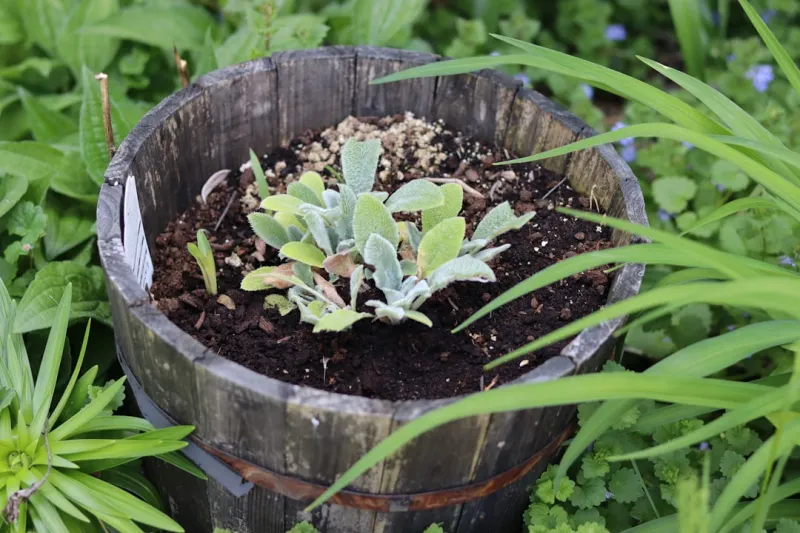
Creating an eco-friendly rain garden is not only a rewarding DIY project but also a significant contribution to the environment. Rain gardens, designed to manage stormwater runoff, serve as beautiful landscapes that are both functional and sustainable. This type of garden collects rainwater and allows it to percolate into the ground rather than flow into traditional sewers, which helps prevent urban flooding and reduces pollution in local waterways. By using native plants that are well-adapted to your local soil and climate, you can foster a vibrant ecosystem that will attract beneficial wildlife such as birds and butterflies.
The benefits of establishing a rain garden are numerous. Rain gardens promote biodiversity, improve water quality, and minimize erosion. Utilizing repurposed materials for the construction of the garden adds an element of creativity to the project while promoting sustainability. Moreover, rain gardens can be tailored to fit a variety of landscapes and sizes, making them versatile for any beginner.
In terms of skill level, this project is relatively simple and manageable even for those new to gardening or DIY endeavors. With a little patience and care, you can transform an ordinary space into an eco-friendly oasis. This guide will provide all the tools, materials, and step-by-step instructions to help you create a rain garden that thrives in harmony with nature.
Tools Needed
1. Shovel: Essential for digging out the rain garden bed, creating space for the native plants. 2. Garden Rake: Used for leveling the soil and breaking up clumps to ensure a smooth surface for planting. 3. Trowel: A small but important tool for planting individual seedlings and adjusting soil around plants. 4. Garden Hose: To help outline the shape of your rain garden and also for watering newly planted seedlings until they establish roots. 5. Watering Can: This handheld option is great for targeted watering and is especially useful for small areas. 6. Spade: Useful for edging and cutting through tough soil or roots as you prepare the site. 7. Gloves: Keep your hands protected while preventing dirt and potential irritants from affecting your skin. 8. Level: Important for ensuring that the bottom of your rain garden is sloped toward the center, allowing water to collect properly.
Materials
- Native plants (5-10 varieties): Choose according to your local climate and ecology.
- Compost (1 cubic yard): Improves soil nutrient content and supports plant growth.
- Sand (0.5 cubic yard): Enhances drainage in heavy soils.
- Mulch (2 cubic yards): Helps retain moisture and suppress weeds.
- Landscape fabric (1 roll): Prevents weed growth while allowing water to permeate.
- Stones or pebbles (1-2 bags): To create drainage pathways and enhance aesthetics.
- Repurposed materials: Old bricks, pavers, or wood for garden edging (approximately 20-30 pieces).
- Rain barrel (optional): Collects rainwater for supplemental watering.
Steps to Create Your Eco-Friendly Rain Garden
Step 1: Choose the Location
What: Selecting the right area is crucial for your rain garden’s success.
How: Look for a spot that naturally collects rainwater, like a low-lying area in your yard. Ideally, place the rain garden at least 10 feet away from your home’s foundation to prevent flooding in the basement.
Tips: Observe how rainfall accumulates in your yard; utilize a garden hose to outline your proposed rain garden. Consider proximity to electricity and water sources for ease of planting and future maintenance.
Safety: Avoid placing your rain garden near septic systems or utility lines. Always double-check for underground utilities by calling your local utility service.
Step 2: Determine Size and Shape
What: The size and shape should correspond to how much water you anticipate managing and your garden's aesthetics.
How: Common sizes for rain gardens range from 100 to 300 square feet, with a shallow depth of 4-8 inches. Keep the shape natural—think curves and organic forms rather than straight lines.
Tips: An irregular shape mimics nature and blends better with the landscape. Use the hose as a guideline to visualize before digging.
Safety: If planning to dig deep, confirm that you are not disturbing any hidden pipes or wires.
Step 3: Mark and Dig Your Garden
What: Once you’ve established the shape and size, it’s time to mark the area and start digging.
How: Use stakes and string to outline the shape of the garden. Begin digging to a depth of 4-8 inches, sloping the bottom toward the center for optimal water collection.
Tips: If you encounter difficult soil, a spade can assist in breaking it up. Keep the excavated soil nearby; you may want to use it later for planting.
Safety: Be cautious of sharp objects while digging. Wear gloves to protect your hands from potential injuries.
Step 4: Improve Soil Quality
What: The success of your plants depends on the quality of the soil.
How: Mix the dug-up soil with compost and sand to enhance drainage and nutrients. A 3:1 soil-to-compost ratio will work well for most conditions.
Tips: Test the soil pH, which should ideally be between 6 and 7, to ensure optimal growing conditions for your chosen plants.
Safety: Use a mask if working with dusty soil, especially during dry weather.
Step 5: Add Landscape Fabric
What: To suppress weeds and retain the soil structure, landscape fabric is crucial.
How: Once the soil has been improved and leveled, lay down landscape fabric over it. Cut slits where you’ll plant your native flowers and grasses.
Tips: Ensure that the fabric overlaps at the seams to prevent soil from washing out. Pin it down with stakes or rocks.
Safety: Be cautious when cutting fabric; scissors or utility knives can cause injury.
Step 6: Select Native Plants
What: Choosing the right native plants can significantly boost your rain garden's success.
How: Research plants that thrive in your local environment and can tolerate wet conditions. Opt for a mix of perennials for diverse bloom times.
Tips: Group plants based on water needs—some can tolerate standing water better than others. Consult local nurseries or extension services for guidance on native varieties.
Safety: When handling plants, particularly if you’re allergic to certain types, wear gloves and long sleeves.
Step 7: Planting
What: It’s time to plant your native flora!
How: Remove the plants from their nursery pots and create holes in the landscaping fabric using the trowel. Plant according to the guidelines from your nursery, spacing them appropriately to prevent overcrowding.
Tips: Water each plant immediately after planting to help settle the soil and eliminate air pockets. Mulch around each plant to retain moisture.
Safety: Maintain proper posture while planting to avoid back strain. Take breaks as needed.
Step 8: Mulching
What: A layer of mulch offers many advantages, primarily moisture retention and weed suppression.
How: Spread a 2-3 inch layer of organic mulch evenly across the surface of the soil and around your plants.
Tips: Position the mulch away from the stems of plants to prevent rot.
Safety: Use gloves to handle mulch, as it can sometimes contain sharp pieces or pests.
Step 9: Create a Drainage Pathway
What: A pathway made from stones or pebbles supports drainage and adds aesthetic appeal.
How: At the top of your rain garden, create a small channel lined with stones leading to the garden area that helps manage overflow during heavy rains.
Tips: Vary the sizes and colors of the stones for a more interesting look. Ensure that the pathway slopes toward the rain garden.
Safety: Be cautious while handling heavy stones, and consider using gloves to prevent cuts and scrapes.
Step 10: Watering and Maintenance
What: After planting, consistent watering and maintenance are crucial.
How: Water plants thoroughly during the first few weeks until they become established. Monitor weather conditions and adjust watering as needed, especially during dry spells.
Tips: As your plants grow, they will require less water, and the deep roots will help manage moisture levels.
Safety: When watering, ensure that electrical equipment is safe and away from water to prevent accidents.
Troubleshooting Common Issues
1. Poor Drainage: If water sits in the garden for too long, it may indicate that the soil isn’t draining well. Fix: Consider adding more sand to enhance drainage or creating raised beds to improve water flow.
2. Plants Dying: If your plants are wilting or dying, check for root rot caused by excessive water. Fix: Remove affected plants, improve soil drainage, and diversify plant types to implement variability in water retention.
3. Overgrowth of Weeds: Weeds may emerge despite using landscape fabric. Fix: Regularly pull weeds by hand or apply natural mulches to suppress them as they appear.
4. Pests: Insects or critters might invade your garden. Fix: Use natural deterrents like garlic spray or introduce beneficial insects such as ladybugs to help control the pest population.
5. Plants Outgrowing Space: As your plants establish, they may compete for nutrients. Fix: Plan for occasional pruning or repositioning to ensure every plant has ample room to thrive, allowing for air circulation and sunlight.
Conclusion
Creating an eco-friendly rain garden using native plants and repurposed materials is a fulfilling way to beautify your outdoor environment while promoting sustainability. This DIY project not only enhances the local ecosystem but also helps in stormwater management, making it a win-win for you and Mother Nature. Your garden can take on many variations: you can explore different plant combinations or expand the area to accommodate more flora. Regular maintenance such as watering, mulching, and weeding will ensure that your garden thrives for years to come. Embrace the journey of gardening and enjoy your personal contribution to a healthier planet.