How to create a vertical garden using reclaimed pallets and biodegradable pots
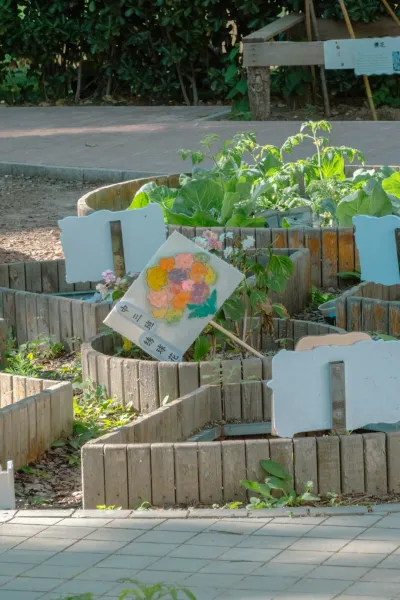
Creating a vertical garden is not only a fun and rewarding project, but it also provides impressive benefits for both beginners and seasoned gardeners alike. Vertical gardens are a visually appealing way to grow plants in a compact space, allowing you to bring a touch of nature into urban living. Using reclaimed pallets in this project not only gives your garden a unique rustic feel but also promotes sustainability by repurposing materials that would otherwise go to waste. Additionally, using biodegradable pots ensures that your gardening practices remain eco-friendly while providing your plants with a nurturing growth environment.
This project is ideal for those who may have limited gardening space, like balconies or small yards, and want to make the most out of their area by utilizing verticality. It’s a fantastic opportunity to foster a love for gardening while engaging in a hands-on DIY activity that doesn’t require extensive experience. The skill level for this project falls under beginner to intermediate; while it does involve some basic woodworking, the steps are clear and achievable.
Furthermore, vertical gardening boasts a range of benefits, such as easy accessibility for maintenance, improved air circulation for your plants, and a beautiful display of colors and textures. Moreover, vertical gardens enhance your home environment by improving air quality and increasing biodiversity in urban settings. Whether you want to grow herbs, flowers, or even vegetables, this project serves as a creative outlet that can provide fresh produce or add refreshing greens to your living space.
Tools Needed
1. Drill: For making holes in the pallet and creating spaces for planting. A power drill will make the job faster, especially if using screws. 2. Saw: A handsaw or jigsaw will be necessary if you need to cut the pallets to size or make adjustments to fit your space. 3. Screwdriver: For securing parts of the pallet with screws, ensuring it stands sturdy and is well-constructed. 4. Sandpaper: To smooth out any rough edges on the pallet, preventing splinters and injuries while handling. 5. Staple Gun: For attaching landscape fabric to the pallet, this will help hold the soil in place while allowing for drainage. 6. Measuring Tape: To ensure accurate sizing of your pallet and vertical garden layout. 7. Safety Goggles: For protection against dust and debris while working with wood and power tools. 8. Work Gloves: To protect your hands from rough wood surfaces and for a safer grip while handling tools.
Materials
- Reclaimed Pallet: 1-2 (depending on the size of your garden)
- Landscape Fabric: 1 yard (to hold soil while allowing drainage)
- Biodegradable Pots: 8-10 (more if you want to expand your garden over time)
- Potting Soil: 2 bags (enough for filling pots and packing them firmly)
- Drip Tray: 1 (to catch excess water from your plants)
- Nails or Screws: 1 pound (needed for securing the pallet structure)
- Wood Stain or Sealant: Optional (to protect the wood and enhance appearance)
- Plants or Seeds: 8-10 of your choice (make sure to choose plants suitable for vertical growth)
- Watering Can: 1 (for easy watering access without disturbing your garden)
- Trowel: 1 (for planting soil and arranging your pots)
Steps to Create Your Vertical Garden
# ### Step 1: Choosing and Preparing the Pallet
Begin your vertical garden project by selecting a reclaimed pallet. Look for a sturdy, intact pallet with minimal damage. Going through a few options might be necessary to find the right one. After selecting, thoroughly clean it to remove any dirt, dust, or potential chemicals. You might also want to inspect for any nails or loose parts to ensure safety. Once cleaned, consider using a fine-grit sandpaper to smooth out rough edges and splinters, making it safer for handling.
Tip: If you’d like, you can stain or seal the pallet to give a polished look and extend its life. Just make sure any products used are non-toxic if you’re planning to grow edible plants.
# ### Step 2: Cutting the Pallet (Optional)
If the pallet is too large for your intended space, now is the time to resize it. Using a handsaw or jigsaw, cut the pallet down to size, ensuring the bottom remains intact to hold the soil and plants. Aim for a height that fits your space but also allows for adequate sunlight penetration. Typically, a height of around 4-5 feet works well for most growing spaces.
Tip: Always make your cuts on a flat, stable surface and wear safety goggles to protect your eyes from wood splinters.
# ### Step 3: Attaching Landscape Fabric
Once your pallet is ready, cut your landscape fabric to size, ensuring it covers the back and sides of the pallet. Using a staple gun, attach the fabric to the pallet frame, securing it at regular intervals. The fabric should create pockets to hold your potting soil yet allow excess water to drain through. This step is crucial for keeping your plants healthy and preventing root rot.
Tip: Make sure the fabric wraps over the edges slightly to provide additional support.
# ### Step 4: Adding Drainage Holes
To ensure proper drainage, drill several small holes at the bottom of the pallet. This facilitates excess water to escape, preventing any pooling that could harm the plant roots. Space the holes about 2-3 inches apart across the bottom edge of the pallet.
Tip: If you notice minimal water drainage during the initial storms, consider adjusting the positioning or adding more holes.
# ### Step 5: Filling Biodegradable Pots
With your pallet prepped, it’s time to fill the biodegradable pots. Use the potting soil and fill each pot loosely, leaving a little space at the top. This allows for settling when you water later on. You might want to lightly pack the soil, but don’t compress it too much; adequate aeration is essential for healthy root growth.
Tip: Choose a potting mix suitable for container gardening to support plant growth effectively.
# ### Step 6: Planting
Now comes the fun part – planting your chosen plants or seeds! Depending on the size of your pots and the chosen plant type, place 1-2 plants per pot. Choose plants that can thrive in vertical conditions; herbs, strawberries, and trailing flowers work great. If using seeds, follow the instructions on spacing and depth.
Tip: Arrange the larger plants at the base of the pallet and leave trailing varieties for the top for an aesthetically balanced look.
# ### Step 7: Arranging Pots on the Pallet
Once planted, it’s time to secure the biodegradable pots onto the pallet. Position each pot in its desired space on the pallet and ensure they fit snugly in the fabric pockets. If the pots are too loose, consider securing them further using additional landscape fabric or even zip ties to hold them firmly in place.
Tip: Position the pots in a staggered format, allowing all plants to receive adequate sunlight.
# ### Step 8: Watering and Placing the Vertical Garden
With everything in place, carefully water your plants to settle the soil and ensure they have enough moisture to start growing. Choose a location for your vertical garden that gets full sun but is easily accessible for maintenance and watering. Lean the pallet against a stable wall, or you can attach it directly to the wall for an even more secured structure.
Tip: Ensure there’s enough space below each pot for water to drain without reaching the floor or other surfaces directly.
# ### Step 9: Maintaining Your Vertical Garden
Now that your vertical garden is set up, establish a routine for care! Check for moisture levels in the soil every few days and water accordingly, ensuring you do not overwater, which can lead to fungal issues. Regularly inspect the plants for pests or diseases, and prune as necessary to promote healthy growth and encourage new foliage.
Tip: If space allows, rotate your pots periodically to enhance even growth as plants may stretch towards their light source.
# ### Step 10: Enjoying the Fruits of Your Labor
The final step is to relish in the beauty of your vertical garden! Take time to appreciate your handiwork, and keep a journal to track the growth and changes in your plants. If you planted edible varieties, savor the fresh flavors and consider sharing your bounty with friends and family.
Tip: Taking pictures of your plants at various growth stages can make for an exciting before-and-after gallery!
Troubleshooting
While your vertical garden is sure to flourish, common issues may arise. Here are a few problems to watch for:
- Water Pooling at the Base: If excess water collects at the bottom, it could lead to root rot. Ensure drainage holes are clear and consider adjusting the pallet's angle.
- Plants Wilting or Dying: This can result from over or underwatering. Make sure to regularly check moisture levels and adapt your watering schedule accordingly.
- Pests Infestation: Small pests like aphids might be attracted to your plants. Consider using a diluted insecticidal soap or natural remedies like neem oil to address the issue.
- Lack of Growth: Ensure that plants are receiving adequate sunlight and nutrients. If growth is still stunted, consider feeding them with organic plant food.
- Fabric Developing Mold: If you notice mold, it could indicate poor air circulation. Ensure there’s enough space between plants, and consider reapplying a fresh layer of soil if necessary.
Conclusion
Creating a vertical garden with reclaimed pallets and biodegradable pots is a rewarding DIY project that brings nature close to your living space without taking up precious ground area. The beauty of this project lies in its adaptability – you can choose different plants, shapes, and styles to make it uniquely yours. Embrace your creativity as you make it a focal point of your home.
Remember, your vertical garden will require a bit of maintenance and care. Regularly check for any potential issues, water your plants as needed, and enjoy watching them flourish. Don’t hesitate to experiment; there are numerous variations and styles you can explore as your skills grow. Whether you cultivate a kitchen herb garden, ornamental flowers, or a mix of both, your vertical garden will be a testament to your dedication and creativity in transforming reclaimed materials into a delightful green sanctuary.