How to create a vertical garden using repurposed wooden pallets and recycled bottles
Introduction
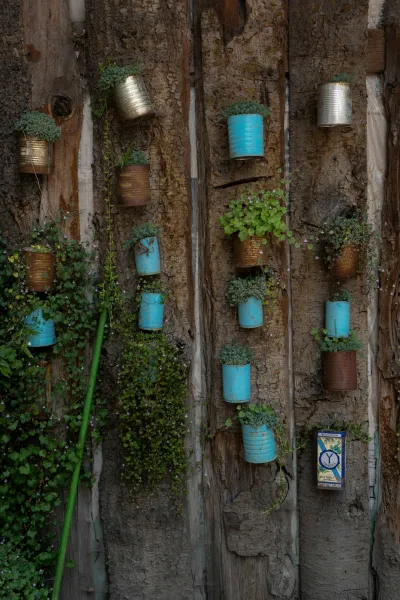
Vertical gardening has become increasingly popular in today's urbanized society, allowing individuals with limited outdoor space to cultivate their own plants. One unique and sustainable approach to creating a vertical garden is by using repurposed wooden pallets and recycled bottles. This project not only serves as an eco-friendly initiative, but it also allows for creative expression and the ability to customize your garden according to your space and preferences.
With the world facing significant environmental challenges, engaging in projects like these contributes to reducing waste by repurposing materials that might otherwise end up in a landfill. Wooden pallets are often discarded after being used for shipping purposes, while plastic bottles are ubiquitous single-use items. By transforming these materials into functional garden fixtures, you cultivate not just plants but also responsibility towards sustainable living.
This DIY project is suitable for beginners of all skill levels and requires minimal tools and materials. It offers a rewarding experience and the chance to start your own garden, regardless of whether you have a large backyard or a small balcony. The excitement of nurturing your plants will transform your vertical space into a lush, green oasis that enhances the aesthetics of your home.
Benefits of Vertical Gardening:
- Maximizes space and allows you to utilize vertical areas effectively.
- Provides accessibility for caring for plants, especially if you choose to incorporate herbs and edible plants.
- Enhances air quality and adds greenery to your environment.
- Lowers the temperature around your dwelling and provides a natural privacy screen.
Tools Needed
1. Drill
- Why: Essential for making holes in the pallet and bottles for plants and drainage.
- Why: Needed to secure related components together, particularly if you choose to refine your pallet structure.
- Why: Useful for cutting the pallet or bottles to the desired size to fit your garden design.
- Why: Helps ensure accurate measurements of your materials, allowing a better fit and alignment in your vertical garden.
- Why: Used to smooth out rough edges of the pallet to prevent splinters and ensure safety while working.
- Why: Optional for waterproofing or adding color to your pallet, enhancing aesthetics while also protecting the wood.
- Why: Required for cutting the tops off the plastic bottles to create planters.
- Why: To protect your hands while working with wood and plastic, sure to help avoid splinters and cuts.
Materials
1. Repurposed Wooden Pallet: 1 (Make sure it is sturdy and not damaged). 2. Recycled Plastic Bottles: 8-12 (Depending on size, the standard 1-liter or 2-liter bottles work well). 3. Potting Soil: 2 bags (Choose a high-quality mix for healthy plant growth). 4. Plants/Seeds: 6-12 (Consider herbs, flowers, or small vegetables for a diverse approach). 5. Small Screws or Nails: 1 box (To secure the wooden pallet and any additional structural elements). 6. Waterproof Stain or Paint: 1 can (For protecting the wood, optional based on your aesthetic choices). 7. Hanging Wire or Rope: 10 meters (Useful if you want to create a hanging system for the pallet). 8. PVC Pipe or Hose (optional): 1 (To create an irrigation system if desired).
Step-by-Step Instructions
# ### Step 1: Choosing Your Location
What: Start with choosing an appropriate location for your vertical garden. Look for a sunny spot that receives adequate sunlight, as most plants require at least 6 hours of sunlight a day.
How: Observe the area for light patterns throughout the day. Keep in mind future plant growth and visual aesthetics while considering your neighbors' views.
Tips: If you lack direct sunlight in your space, consider plants that thrive in partial shade, such as ferns or shade-loving herbs.
Safety: Ensure the groundwork is stable and free of any overhead obstructions that can fall.
# ### Step 2: Preparing the Wooden Pallet
What: Next, you need to prepare your wooden pallet.
How: Start by sanding down any rough edges of the pallet. Then, if you decided to add a waterproof stain or paint, apply it evenly across all surfaces of the pallet to avoid rot.
Tips: Use a breathable wood stain that allows moisture to escape while keeping the elements at bay for a longer lifespan.
Safety: Wear a mask and gloves while sanding or painting to protect your lungs and skin.
# ### Step 3: Cutting the Bottles
What: Cutting your plastic bottles is the next step to creating your planters.
How: Using your utility knife, cut each bottle in half horizontally. Save the bottom halves as pots and consider if you want drainage holes in the bottom for excess water.
Tips: If you want, use the caps to create a small resevoir in the bottom of each planter that can distribute moisture.
Safety: Make sure to operate the utility knife carefully to avoid injuries and use gloves if you have sensitive skin.
# ### Step 4: Arranging the Planters on the Pallet
What: Now, it is time to arrange your bottle planters on the pallet.
How: Use your measuring tape to evenly space the bottles along the planks of the pallet, starting at the bottom. Leave adequate height between each bottle for plant growth and ease of access for watering.
Tips: Use a combination of contrasting plants or bottle colors to enhance visual appeal and variety.
Safety: Ensure that all bottles are securely fastened to the pallet before proceeding to the next steps.
# ### Step 5: Securing the Bottles
What: Secure the cut bottles to the pallet.
How: Using your drill and screws, fix each bottom half of the bottles securely to the pallet. If further stability is needed, you can use zip ties or strong adhesive to ensure they do not drop once planted.
Tips: Be cautious not to overdrill, as this can crack the bottles.
Safety: Wear safety goggles while drilling to protect your eyes from any debris.
# ### Step 6: Filling with Potting Soil
What: It’s time to fill your planters with quality potting soil.
How: Carefully fill each plastic bottle with potting soil, ensuring they are packed enough to hold your plants securely but not so tightly that it compacts drainage.
Tips: Choose a soil-less mix if you're going to plant herbs or vegetables to avoid diseases associated with garden dirt.
Safety: Wear gloves to keep your hands clean and safe from fertilizer or pesticide chemicals.
# ### Step 7: Planting
What: Begin planting your greenery in the prepared soil.
How: Remove your plants from their containers, place them into the soil in the bottles carefully, then gently cover the roots with more potting soil and water them lightly to help them set.
Tips: Consider planting trailing vines or herbs on the upper parts of your vertical garden as they spread downwards, making for a beautiful display.
Safety: Use a trowel or similar tool to press soil around the plants without damaging them.
# ### Step 8: Watering
What: Ensure your newly planted vertical garden gets the right amount of water.
How: Create a simple watering schedule; generally, if the soil feels dry an inch down, it's time to give some water. Alternatively, you can consider adding a drip irrigation system for consistent moisture.
Tips: Be cautious of over-watering. Check drainage holes to ensure that excess water flows out appropriately.
Safety: If you're using any electrical components for watering, make sure that all connections are safe and away from dampness.
# ### Step 9: Adding Optional Features
What: Consider adding extra features to embellish your vertical garden.
How: You can attach hooks to hold small gardening tools, decorative pebbles, or a small trellis for climbing plants. Using hanging wire or rope, attach a balcony hook if you want your garden suspended.
Tips: Lighting can also be added to highlight your vertical garden in the evening if the space allows.
Safety: Ensure all extras added do not weigh down or affect the stability of your vertical structure.
# ### Step 10: Regular Maintenance
What: Your vertical garden will thrive with proper care.
How: Routine tasks will include checking plant health, weeding, and fertilizing as necessary based on the types of plants you choose. Conduct regular watering based on weather and plant needs.
Tips: A rotating planting scheme where you change your plants every season can help keep things exciting!
Safety: Keep tools in a safe spot after use and watch out for fallen branches or debris, especially if your garden is outdoors.
Troubleshooting
When creating a vertical garden, you might encounter a few common issues. Here are solutions:
1. Poor Drainage: If you notice water pooling in your bottles or soil, create additional drainage holes in the bottoms. Make sure that excess water can escape.
2. Plants Wilting: If your plants appear wilting or unhealthy, inspect the soil moisture carefully. Over-watering or under-watering could be an issue; correct as necessary.
3. Pests: Bugs or insects may appear looking for places to enter your garden. Use natural repellents like neem oil or insecticidal soap for non-toxic pest control.
4. Bottle Cracks: If any bottles crack due to overdrilling or pressure, replace them with new bottles or add support around them to reduce strain.
5. Plant Compatibility: If pairs of certain plants do not thrive together, research the compatibility of your plants and consider replacing them for healthier growth patterns.
Conclusion
Creating a vertical garden using repurposed wooden pallets and recycled bottles is a fulfilling project that not only beautifies your space but also fosters an eco-conscious lifestyle. The steps outlined above are straightforward and accessible for beginners; with a little creativity and commitment, you can cultivate a lovely green space, no matter how small your area is.
Variations: You may also want to explore alternative materials like old crates or shoe organizers for unique vertical garden displays, or even incorporate hydroponics in future iterations.
To maintain your garden, ensure regular checks on plant health, moisture, and sun exposure. Enjoy the bountiful rewards of your labor and celebrate the enriching experience of nurturing your very own vertical garden.