How to create a vertical garden with upcycled plastic bottles and repurposed wooden pallets
Introduction
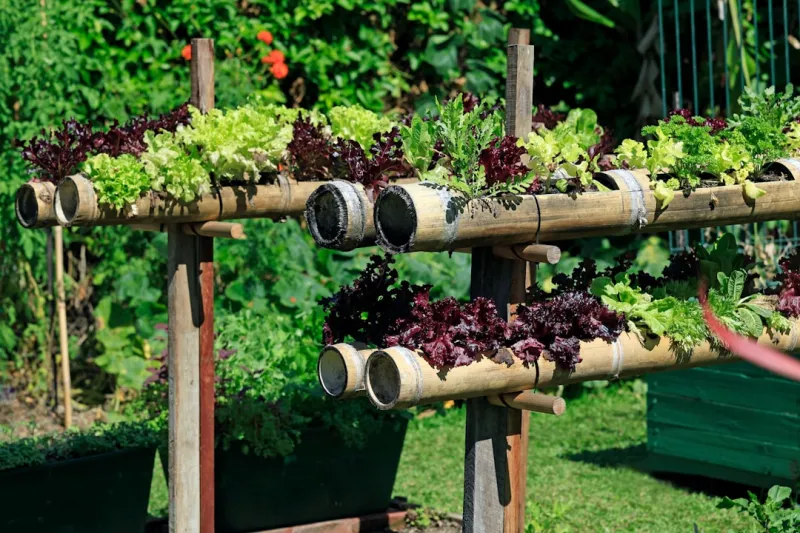
In an era where environmental awareness is more critical than ever, creating a vertical garden using upcycled plastic bottles and repurposed wooden pallets serves a dual purpose: it breathes life into your outdoor or indoor space while contributing to sustainable living. This DIY project offers not only a fantastic way to grow your plants but also a creative solution to reduce waste. By turning plastic bottles that would typically end up in landfills into serviceable plant holders and utilizing wooden pallets that might otherwise gather dust in a garage, you can cultivate a unique and productive vertical garden.
The benefits of vertical gardening extend beyond aesthetics. Growing plants vertically can maximize space, especially if you're limited to a small area, such as a balcony or a small backyard. Additionally, vertical gardens can improve air quality, provide food, and even enhance the overall beauty of your surroundings. With minimal investment and a reasonable amount of effort, you can create a lush green space that not only captivates the eyes but also nurtures the soul.
This project is categorized as beginner-friendly, making it perfect for those who may not have much gardening experience or DIY skills. With a few basic tools and materials, you’ll be on your way to creating your very own vertical garden that can inspire by its beauty and environmental friendliness.
Tools Needed
1. Scissors or Utility Knife: Essential for cutting plastic bottles to the desired size. A utility knife provides more precision and depth when making cuts.
2. Sandpaper: Used to smooth out rough edges on the cut bottles or pallets to prevent injury when handling.
3. Drill with Drill Bits: Necessary for making holes in the wooden pallets and potentially for drainage holes in the bottom of the bottles.
4. Paintbrush and Non-toxic Paint/Stain: Handy if you want to add a personal touch or protect your wood. A non-toxic option ensures it’s safe for plants and the environment.
5. Stapler or Nails: To securely attach the bottles to the wooden pallets.
6. Measuring Tape or Ruler: Useful for measuring bottle dimensions and ensuring even spacing on the pallet.
7. Gloves: Protects your hands while working with wood and plastic, ensuring safety from splinters and sharp edges.
8. Level: Useful for ensuring that your vertical garden hangs evenly, which can be crucial for aesthetic alignment and proper water drainage.
Materials
1. Plastic Bottles: 10-15 bottles to create enough planting spaces. The size can vary; large soda bottles or water bottles work well.
2. Wooden Pallets: 1-2 pallets, depending on the size of your garden; use sturdy pallets that are in good condition.
3. Potting Soil: 2-3 bags, enough for filling the bottles with soil to nurture the plants.
4. Plants, Seeds, or Seedlings: Select 5-10 plants based on your preferences and the type of vertical garden you want (herbs, flowers, or even vegetables).
5. Craft Mesh or Landscape Fabric: One roll, to act as a barrier at the bottom of the bottles, preventing soil from escaping while allowing water drainage.
6. Twine or Wire: 1 spool, to help secure the bottles to the pallet and keep them in place.
7. Watering Can or Hose: A way to easily water your vertical garden after installation.
8. Plastic Funnel: If using smaller openings on the bottles, to help with the soil filling process and plant placement.
9. Paint or Wood Stain: Optional, 1 can, for treating the pallet to prolong its life and enhance aesthetics.
10. Drill Bits (Different sizes): Needed for making various-sized holes based on your project requirements.
Step-by-Step Guide
1. Gather and Prep Your Materials
What: Start by collecting all necessary tools and materials. Gather plastic bottles, wooden pallets, and soil.
How: Clean the plastic bottles thoroughly; remove any labels and rinse them to prevent mold. Check the pallets for any loose boards or protruding nails and ensure they are sturdy enough to hold the weight of the soil and plants.
Tips: Consider sizing your bottles according to your plant’s rooting needs. Taller plants may need larger bottles, while can withstand lower watering.
Safety: Be cautious while handling tools, especially sharp ones. Wear gloves when working with wood to avoid splinters.
2. Prepare the Wooden Pallet
What: Transform the pallet into a vertical frame.
How: Decide which side you want to face forward. Use sandpaper to smooth out rough edges. If desired, you can paint or stain your pallet for aesthetics and to protect it from the elements.
Tips: Use a non-toxic product if your plants will live nearby. Make sure to let the paint dry completely before moving on.
Safety: When sanding, wear a mask to avoid inhaling dust, and always work in a well-ventilated area.
3. Cut the Plastic Bottles
What: Create planting vessels from your plastic bottles.
How: Utilize a utility knife or scissors to cut each bottle horizontally in half. Ideally, you’ll want to keep the top, as it can help retain moisture. You can make a small hole at the bottom for drainage.
Tips: Use different-sized bottles for varied plant heights. You may also choose to use a funnel to fill the bottles easily with soil.
Safety: Be careful when cutting the plastic as the edges can be sharp. Consider wearing gloves.
4. Attach Craft Mesh or Landscape Fabric
What: Prevent the soil from falling through the bottles but allow drainage.
How: Cut pieces of mesh or fabric slightly larger than the opening of each bottle. Insert the fabric into the bottle and secure it with glue or by twirling it around the neck of the bottle.
Tips: This mesh will hold the soil while allowing excess water to drain. Ensure it fits snugly to avoid losing soil.
Safety: Handle tools to secure the fabric with care to avoid cuts or injuries.
5. Secure the Bottles to the Pallet
What: Position and attach the cut bottles to the pallet.
How: Start at the bottom of the pallet and work your way upward. Use twine or wire to secure the bottles tightly to the pallet. Ensure that the bottles are at a slight angle for effective drainage.
Tips: Keep the spacing consistent by measuring and marking spots before securing them. Check for stability after attaching each bottle.
Safety: Ensure your pallet is stable while you are working on it to avoid any movement accidents.
6. Fill the Bottles with Soil
What: Prepare the bottles for planting by filling them with potting soil.
How: Using the funnel (if necessary), fill each bottle with the potting soil, leaving some space at the top to accommodate plant roots.
Tips: Tap the bottles gently to settle the soil, avoiding air pockets. A well-packed soil will provide healthier root growth.
Safety: Protect your hands further by wearing gloves while handling soil, especially if it’s dry, to avoid skin irritation.
7. Plant Your Chosen Plants or Seeds
What: Introduce the plants to their new environment.
How: Create small holes in the soil of each bottle for your seedlings or seeds. If using seeds, follow the specific planting guidelines they require.
Tips: Choose plants according to sunlight needs—use shade-loving plants if your garden will be in a dimly lit area and sun-loving plants otherwise.
Safety: Handle plants with care to avoid damaging their delicate stems and roots during planting.
8. Watering and Maintenance Setup
What: Establish a routine for watering and caring for your vertical garden.
How: Use a watering can that allows you to easily water all the plants. Consider a watering schedule based on plant type and climate—often, vertical gardens require frequent but light watering.
Tips: Monitor the moisture level in the soil to avoid overwatering. You can introduce drip irrigation for convenience.
Safety: Ensure that your watering equipment is clean to prevent any contamination in your soil or plants.
9. Install the Vertical Garden
What: Final step to complete your vertical garden construction.
How: Lean the pallet against a wall or fence in a sunny area or hang it securely using hooks. Ensure it’s stable and won't easily tip over during windy conditions.
Tips: Use a level to adjust your pallet accurately, guaranteeing that it sits straight and enhances visual interest.
Safety: Ensure that your installation does not pose a risk of falling by securing it tightly and checking for stability regularly.
10. Regular Maintenance for Long-lasting Growth
What: Keep your vertical garden thriving.
How: Regularly check for pests, dry leaves, and the overall health of your plants. Prune back any overgrowing vines to promote air circulation and even growth.
Tips: Adjust watering and fertilization based on the season to accommodate your plant growth cycle.
Safety: Exercise caution while pruning or handling pests, especially with gloves or appropriate tools.
Troubleshooting
1. Yellowing Leaves: This can indicate overwatering. Fix: Allow the soil to dry completely before watering again and ensure drainage holes are not blocked.
2. Pests: If you notice insects, especially aphids or spider mites, treat them with a gentle organic pesticide. Fix: Maintain cleanliness around plants and ensure good air circulation.
3. Stunted Growth: This issue may stem from insufficient light or poor soil conditions. Fix: Check if your plants receive adequate sunlight and replenish soil nutrients with a balance fertilizer.
4. Soil Slipping Out: If you find soil leaking from the bottles, the mesh may be inadequate. Fix: Add more mesh or adjust the existing one to better fit the bottle opening.
5. Bottles Falling Off: If the bottles aren’t secured well enough, they may detach. Fix: Re-secure them with more twine or adjust their angle for better stability.
Conclusion
Creating a vertical garden with upcycled plastic bottles and repurposed wooden pallets offers an engaging way to beautify your space while promoting sustainability. This beginner-friendly project allows for creativity, while yielding the advantage of producing your own green sanctuary for relaxation or even cooking ingredients. With this guide, you can enjoy the satisfaction of making something of beauty from materials otherwise destined for waste.
There are so many variations to explore, from experimenting with different plant types to incorporating more intricate arrangements and additional materials like stained wooden trellises or decorative paints. As you maintain your garden, embrace the learning journey—over time, you will discover what works best for your plants as well as your vertical farming skills.
By following the steps outlined in this guide, you’re on your way to establishing an environmentally friendly space that brings joy, beauty, and the rewards of gardening right to your home.