How to create a vertical garden using repurposed pallets and self-watering systems
Introduction
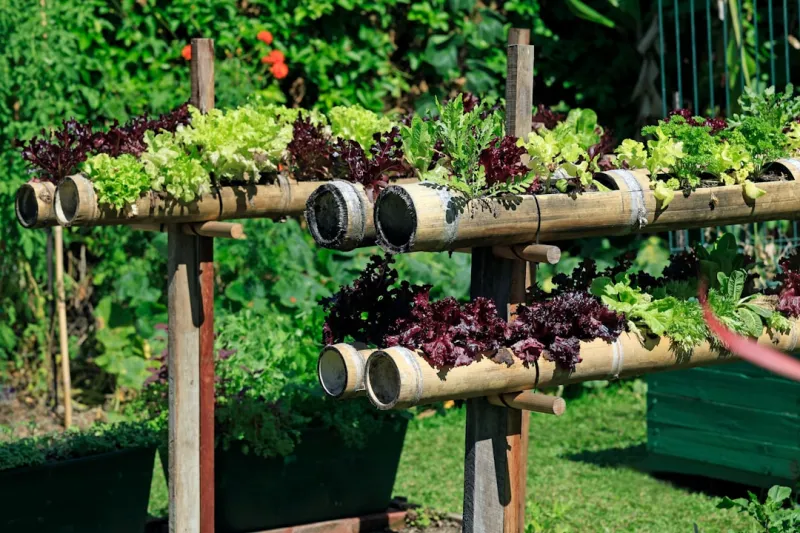
As urban spaces grow and homes become more compact, many gardening enthusiasts face the challenge of limited planting space. Vertical gardening has emerged as a fantastic solution to this dilemma, allowing you to cultivate your favorite plants in small areas while maximizing vertical space. One of the most sustainable and creative methods to build a vertical garden is by using repurposed pallets. These pallets can be found almost anywhere, from warehouses to construction sites, making them an affordable and eco-friendly option for new gardeners looking to embark on their planting journey.
Not only do vertical gardens make efficient use of space, but they also offer a plethora of benefits. They enhance biodiversity, improve air quality, and provide a natural habitat for various species. Moreover, integrating a self-watering system into your vertical garden ensures that your plants receive the proper hydration they need without the hassle of constant watering, making it a perfect solution, even for those with busy lifestyles.
This project suits beginners, as it involves straightforward construction and requires limited gardening experience. With basic tools and a little creativity, you can create a stunning vertical garden that transforms your living space, enhances your home’s aesthetics, and provides a rewarding gardening experience. Throughout this guide, we will focus on detailed steps, troubleshooting tips, and how to maintain your vertical garden for years of fruitful growth.
Tools Needed
- Power Drill
- Essential for making holes and securing screws, a power drill will facilitate the building process significantly. Opt for a battery-operated model for easy handling.
- Screwdriver
- A versatile tool perfect for tightening screws that secure the structure of your pallet vertical garden. A screwdriver is a must-have for any DIY project.
- Saw
- If you need to cut down pallets or other materials to fit your desired dimensions, a hand saw or jigsaw will be indispensable.
- Measuring Tape
- Accurate measurements are crucial for building and positioning your vertical garden. A measuring tape allows you to ensure your construction is precise.
- Level
- This tool guarantees that your vertical garden frames are perfectly upright. Wealthier plants benefit from being set at even heights to promote growth and aesthetics.
- Garden Gloves
- Protect your hands from splinters, soil, and potential injuries while working on your project.
Materials
- Repurposed Wooden Pallets (2-3 pallets)
- Sourcing these is straightforward; the number will depend on how large you want your vertical garden.
- Outdoor Paint or Sealer (1 quart)
- To protect the wood from moisture and prolong the lifespan of your vertical garden, a good sealant is crucial.
- Landscape Fabric (1-2 yards)
- This will line the sides and back of the pallets, preventing soil from spilling out while retaining moisture.
- Soil and Potting Mix (2-3 bags)
- A mix provides good drainage and nutritional value for your plants. Look for soil specifically designed for container gardening.
- Plant Seeds or Seedlings (your choice)
- Choose a variety of plants suitable for vertical growth, such as herbs, flowering plants, or small vegetables.
- Vinyl Tubing (1 roll)
- This is essential for the self-watering system. It helps guide water from the reservoir to the plant roots.
- Hose or Water Reservoir (1 container or bucket)
- To store water and ensure a consistent supply for your self-watering system.
- Plastic Bottles or PVC Pipes (4-8 bottles or sections)
- These will serve as the water delivery system within your vertical garden structure.
- Brackets or L-Brackets (4-6 pieces)
- For securing your pallets to the wall or stabilizing them in an upright position.
Step-by-Step Instructions
1. Choose Your Location
- What: Identify the best wall or area for setting up your vertical garden.
- How: Look for a spot that receives adequate sunlight – most plants need at least 4-6 hours of sunlight each day.
- Tips: Consider the proximity to your water source. A garden hose or rainwater collection system can be beneficial if you plan a self-watering setup.
- Safety: Ensure that your chosen location is not in proximity of electrical wires or plumbing pipes, which could pose a risk while drilling or making modifications.
2. Prepare Your Pallets
- What: Clean and prepare the pallets for planting.
- How: Inspect the pallets for damage or rot; remove any loose or broken boards. If there are any sharp edges, sand them down to avoid injuries.
- Tips: If desired, apply outdoor paint or wood sealant to enhance durability and protect against humidity and pests. Allow it to dry completely before proceeding.
- Safety: Use gloves while handling pallets to prevent splinters and potential infections from dirty surfaces.
3. Line the Pallet with Landscape Fabric
- What: Prevent soil from leaking and control moisture.
- How: Cut the landscape fabric to fit the sides and back of the pallet. Use a staple gun or a heavy-duty adhesive to adhere the fabric securely.
- Tips: Ensure that the fabric is tight and that no gaps are left for soil to escape. Double layering in the areas that will hold the soil is a good idea.
- Safety: Be careful while using the staple gun; aim it away from yourself, and ensure fingers are clear from the line of fire.
4. Construct the Self-Watering System
- What: Set up a self-watering system to ensure proper plant hydration.
- How: Cut the plastic bottles or PVC pipes to size, enough to run vertically down the back of the pallets. Drill small holes into the sides to allow water to seep out into the soil.
- Tips: Position the containers at different heights, ensuring that each layer of plants gets adequate moisture. The bottom of the garden should have a reservoir (like a bucket) to collect excess water.
- Safety: Wear safety glasses when drilling. Be aware of sharp edges left on cut plastic.
5. Attach the Pallets to Your Wall or Frame
- What: Secure the pallets in such a way that they form a stable vertical structure.
- How: Using brackets or L-brackets, attach the pallets securely to the wall, ensuring they are level and properly anchored.
- Tips: Depending on your wall material, you may require different types of screws and anchors. Ensure pallets are spaced sufficiently apart for your plants to grow without overcrowding.
- Safety: Get assistance when lifting and securing the pallets, as they can be heavy and cumbersome.
6. Fill with Soil and Potting Mix
- What: Add soil into the vertical garden structure to create a growth medium for your plants.
- How: Carefully fill in each compartment of the lined pallets with a mixture of potting soil and compost. Press down gently to remove air pockets.
- Tips: Ensure that the soil is consistently moist as you fill it. To stimulate drainage, incorporate perlite or vermiculite into your potting mix.
- Safety: When lifting soil bags, remember to bend with your legs to avoid straining your back.
7. Plant Your Seedlings or Seeds
- What: Add plants to your vertical garden.
- How: Nestle seedlings or sprinkle seeds into the soil. Follow the recommended spacing and planting depth based on the type of plants chosen.
- Tips: Mix a variety of plants, considering their sunlight and water needs. Check compatibility; companion plants can enhance growth and deter pests.
- Safety: Be cautious while planting, as some seedlings may have delicate roots that could break easily.
8. Set Up the Water Delivery System
- What: Ensure the self-watering system is fully operational.
- How: Connect the reservoir to the vertical garden using the vinyl tubing. Ensure the holes in the tubing align with the drilled holes in the bottles or PVC pipes.
- Tips: Test the water flow by filling your reservoir and observing how well water reaches the plants. Adjust the height of the reservoir as needed to increase gravity flow.
- Safety: Ensure that all connections are secure to prevent leaks that could cause a mess or water damage.
9. Monitor and Adjust
- What: Assess the plants' growth and system functionality.
- How: Regularly check plants for signs of stress, overwatering, or pests and adjust care routines accordingly.
- Tips: Rotate plants if possible to ensure each side receives ample sunlight and airflow. Fertilize every few weeks according to plant needs to promote healthy growth.
- Safety: Always use caution when inspecting the garden, particularly if it's situated on a high wall or elevated frame.
10. Maintain Your Vertical Garden
- What: Develop a routine for maintenance.
- How: Water (if needed), prune plants, and check the watering system's functionality regularly. Remove dead leaves and debris that may attract pests.
- Tips: Consider setting reminders for feeding and watering times. Keep necessary tools like pruning shears and gloves handy for quick access.
- Safety: Always use secure footing when trimming or adjusting the vertical garden, especially if it's placed high up.
Troubleshooting
1. Dry Plants: If plants appear wilted and dry, check the water reservoir and ensure the self-watering system is functioning correctly. Adjust tubing if necessary to ensure water is reaching the roots.
2. Overwatered Plants: If plants look mushy or yellow, they may be sitting in water. Ensure that the drainage in your setup is functioning properly, and consider reducing the frequency of refills.
3. Pest Infestation: Discover pests like aphids or whiteflies? Introduce natural pest deterrents like ladybugs or neem oil. Maintain a clean garden by removing debris and dead leaves.
4. Dying Plants: If growth is stunted, check for nutrient deficiency. Use a balanced liquid fertilizer occasionally, and ensure your soil mix contains compost that will provide essential nutrients.
5. Structural Instability: If parts of the vertical garden seem to lean or wobble, recheck the brackets and screws ensuring that the pallets are anchored securely and the structure is level.
Conclusion
Creating a vertical garden using repurposed pallets and a self-watering system is not just an engaging DIY project; it’s a way to harmonize nature within your living space. This guide provides you with the steps to construct an efficient, aesthetic vertical garden that can flourish with minimal upkeep.
Experiment with various plant combinations, explore different pallet configurations, or add a trellis for taller plants to create your unique green sanctuary. Regular maintenance will ensure your vertical garden remains robust and vibrant, allowing you to enjoy fresh herbs, flowers, or vegetables right at home.
Remember, patience is vital with gardening, as growth takes time. Adapting your techniques based on the needs of your plants will enhance not only your gardening skills but also your overall satisfaction with your work. Happy gardening!