How to create a vertical garden using old pallets and repurposed plastic containers
Introduction
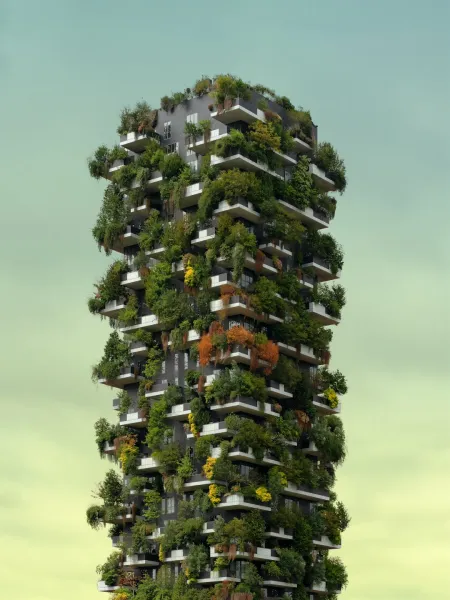
In today’s fast-paced world, finding ways to incorporate nature into our living spaces has never been more crucial. Creating a vertical garden using old pallets and repurposed plastic containers not only adds a touch of greenery to your home or backyard; it also promotes sustainability and money-saving aesthetics. With urbanization on the rise, many people are faced with limited gardening space, leading to a growing interest in vertical gardening. Pallets are often discarded, making them an excellent material to repurpose for your green project. Additionally, using repurposed plastic containers helps reduce waste while providing a cost-effective way to grow herbs, vegetables, or flowers.
A vertical garden can serve various purposes, from maximizing space and beautifying walls to improving air quality and providing fresh produce. The benefits are plentiful: vertical gardens facilitate better sunlight exposure for your plants, contribute to thermal insulation, and even shield privacy with a living wall effect. No matter your gardening skill level, this DIY project is beginner-friendly and requires only a bit of creativity and elbow grease.
In this comprehensive guide, you will learn about the tools and materials needed, step-by-step instructions for building your vertical garden, troubleshooting common issues, and how to care for your new green wall. Let’s roll up our sleeves and get to work!
Tools Needed
- Power Drill: Needed for easily making holes in the pallets and attaching brackets.
- Screws: To secure the pallet to a wall or frame firmly and to attach plastic containers.
- Saw: Used to cut pallets or plastic containers if needed to fit your space.
- Sandpaper or Sander: Essential for smoothing out any rough edges on the pallets to prevent splinters.
- Gloves: Protect your hands from dirt or sharp objects and ensure safety while handling wood and containers.
- Measuring Tape: To measure dimensions and ensure everything fits perfectly.
- Paint or Wood Stain: Optional, for finishing the pallets to protect them from elements or add a decorative touch.
- Potting Soil: A good-quality soil mix is crucial for providing nutrients to your plants.
Materials
- Old Pallets: 1-2 pallets, depending on the size of your garden.
- Plastic Containers: 5-10 repurposed containers, such as plastic pots, yogurt containers, or old food containers.
- Nylon Rope or Twine: Approximately 50 feet, for creating support lines if needed for plants to climb.
- Brackets: 4-6 metal brackets for securing the pallet against a wall.
- Potting Soil: About 3-4 bags, depending on the number of containers used.
- Plants: 10-15 small plants, herbs, or seedlings depending on your preference and container size.
- Wooden Lattice or Wire Mesh: Optional, to provide additional support for climbing plants.
- Paint or Wood Sealer: A small can, if you wish to treat or decorate the pallets.
Step 1: Selecting Your Location and Gathering Supplies
To begin, decide where you want to hang your vertical garden. Look for a spot that receives adequate sunlight for the plants you wish to grow. Keep in mind that herbs typically require full sun (6-8 hours) while others may be more forgiving with partial sunlight. Once you’ve chosen your location, gather all your tools and materials.
Tip: Check local regulations or guidelines related to vertical gardening if you plan to set it up in a communal space or rental property.
Step 2: Preparing the Old Pallet
Once you have your pallets, inspect them for any damaged areas and remove any nails or foreign objects. Use sandpaper to smooth out any rough edges to make it safe for handling. If desired, you can paint or stain the pallets to add flair or protect the wood from the elements.
How-to: Using your power drill, ensure that any screws or nails are secured, and consider applying wood treatment to enhance durability against moisture.
Step 3: Making Holes in the Plastic Containers
For the repurposed plastic containers that will serve as planters, drill or cut drainage holes at the bottom to keep soil from becoming waterlogged. Typically, four small holes (1/4 inch) will be sufficient for proper drainage.
Tip: If you are reusing food containers, ensure they are cleaned thoroughly before use. This will prevent any chemicals or remnants from affecting your plants' health.
Step 4: Preparing the Containers
Once the holes are made, you can personalize the containers. Consider painting or decorating them if you're looking for visual appeal. It’s also a good idea to label each container or plant type, especially if growing herbs that could be mistaken for one another.
Tip: Ensure your containers are sturdy enough to hold the soil and plants. If containers are flimsy, consider reinforcing them with additional material.
Step 5: Securing the Pallet to the Wall
Use brackets and screws to secure the pallet to a wall or post. Make sure that it is level, as you want the plants to grow straight without leaning awkwardly. Use your measuring tape to ensure even spacing, and double-check if necessary before securing everything in place.
Safety: Always be cautious when using power tools. Wear safety goggles to protect your eyes from flying debris.
Step 6: Filling Containers with Soil
Now it's time to fill your prepared containers with potting soil. Leave about an inch of space from the top of each container to help prevent soil from spilling out when watering. Gently pat down the soil to eliminate air pockets, ensuring your plants have stable footing.
Tip: Consider mixing in some natural fertilizers, like compost, for added nutrition based on plant needs.
Step 7: Planting Your Chosen Plants
Once your containers are filled with soil, it’s time to plant! Choose the plants you’d like to grow and research their specific care needs. Carefully remove each plant from its original container, gently loosening the roots if necessary, and place it into the new container.
Tip: When planting multiple plants in a single container, consider their growth patterns and ensure that they have enough space to thrive.
Step 8: Attaching Containers to the Pallet
With your plants in their containers, the next step is to attach them to your pallet! You can secure the containers using screws, zip ties, or even strong nylon rope depending on the design of your vertical garden. If you have a more extensive setup, using wooden lattice or wire mesh can provide additional support for climbing plants.
Tip: Arranging plants based on their growth patterns can make your garden look more organized and visually appealing.
Step 9: Watering and Maintenance
After attaching your containers, it’s critical to water them thoroughly. Make sure that the soil is adequately moist but not overly saturated. It’s also important to establish a regular watering schedule, especially during drier months. As a general rule, don’t wait until the soil is completely dry.
How-to: Use a watering can or a hose with a spray nozzle to avoid oversaturating. Remember, it’s often better to underwater than overwater in container gardening.
Step 10: Enjoy and Monitor
At this stage, your vertical garden is complete! Step back and admire your work. Monitor the health of your plants regularly, checking for signs of pests or diseases. Assess the sunlight and watering needs, adjusting as necessary to ensure your plants flourish.
Tip: Rotate the containers occasionally if they seem to be leaning towards the light. This helps maintain a more balanced growth.
Troubleshooting
1. Wilting Plants: This could be due to underwatering or root rot from overwatering. Check the soil moisture and adjust your watering schedule.
2. Yellowing Leaves: This may indicate overwatering or lack of nutrients. Ensure you’re not watering too frequently and consider adding fertilizer.
3. Pest Infestations: Insects like aphids can wreak havoc. Regularly inspect your plants and use organic insecticides or soapy water for treatment.
4. Containers Not Draining: If you notice pooling water, check the drainage holes in your containers. Clear any blockages and ensure there’s proper airflow in the soil.
5. Pallet Rotting: If your wooden pallet starts to break down, it could be due to exposure to moisture. Ensure that there’s a protective barrier (like wood sealant) and improving drainage can help prevent this.
Conclusion
Creating a vertical garden using old pallets and repurposed plastic containers is not only a rewarding DIY project; it is also an eco-friendly way to beautify your home and access fresh produce or herbs. Remember to take some time to monitor your plants regularly, making adjustments to watering and light exposure as needed.
As you gain confidence, feel free to experiment with different plants, colors, and designs. Perhaps consider adding additional pallets or expanding into a complete outdoor green wall? The only limitations are your imagination and available space.
Don't forget to regularly maintain your garden, trimming back any overgrowth, and keeping an eye on drainage and plant health.
Good luck on your vertical gardening journey!