How to create a vertical garden using upcycled plastic bottles and rope lights
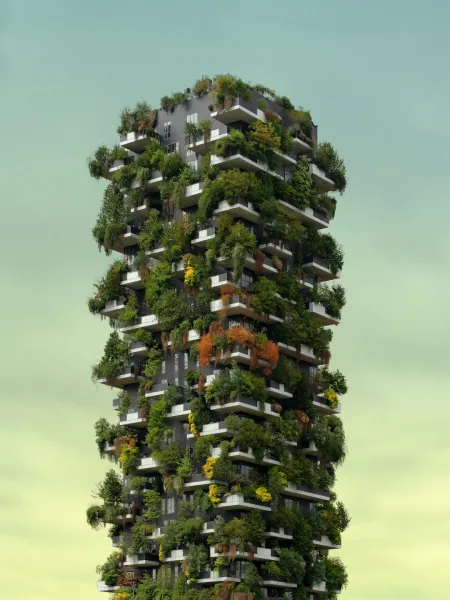
Creating a vertical garden from upcycled plastic bottles is not only a fun and creative project, but it also helps turn waste into something beautiful and functional. With the rising awareness of environmental issues and the need for sustainable living, this DIY project enables you to reduce plastic waste while enhancing your living space with nature. Plus, when you add rope lights to your vertical garden, you create an eye-catching display that can illuminate your plants, adding charm and ambiance to your garden at night.
By upcycling plastic bottles, you're choosing to recycle, which reduces the demand for new plastic production and minimizes landfill waste. Vertical gardens are an excellent way to maximize limited space, making them ideal for urban gardening or small outdoor areas, balconies, or even indoor spaces. Skill Level: This project is beginner-friendly! You don't need any prior gardening experience—just some creativity, basic crafting skills, and a touch of patience.
Benefits of a Vertical Garden:
- Aesthetic Appeal: A vertical garden can be a stunning focal point in any room or outdoor space.
- Space Efficient: You can grow a variety of plants in a small area by using vertical space.
- Air Quality Improvement: Plants naturally filter pollutants, improving air quality both indoors and outdoors.
- Accessibility: Vertical gardens can be easier on your back and knees, making gardening more accessible.
Tools Needed
- Scissors: Essential for cutting bottles and rope; ensure they’re sharp for clean cuts.
- Drill with Drill Bits: Used to make drainage holes in the bottles—proper drainage is crucial for plant health.
- Ruler/Tape Measure: Helps in measuring the spacing and ensuring uniformity in bottle placement.
- Marker: To mark cutting lines and measurements on the bottles.
- Utility Knife: For cutting larger holes in tougher plastic—be extra careful and always cut away from your body.
- Heavy-Duty Adhesive or Hot Glue Gun: Used for securing the bottles together if needed and affixing to the board.
- Zip Ties or Rope: Essential for attaching the bottles to a frame and providing structural integrity.
- Watering Can or Hose: For easy watering; make sure to have a steady source of water at hand.
Materials
- Plastic Bottles: 10 to 20 bottles, depending on the desired size of your garden.
- Wooden Pallet or Board: 1 (preferably untreated to avoid chemical leaching) to form your vertical frame.
- Rope Lights: 1 set (length dependent on garden size; LED lights are energy-efficient).
- Potting Soil: 2 to 3 bags (the quantity may vary based on the number of plants).
- Plants: 10 to 15 small plants (herbs or small flowers are wonderful choices).
- Nutrient Mix: 1 container (optional but recommended to ensure healthy plants).
- Paint (optional): 1 can if you want to add color to your pallet or bottles.
- Sealant (optional): For protecting your wood and extending its life, especially outdoors.
Steps to Create Your Vertical Garden
Step 1: Prepare the Bottles
What: Gather your plastic bottles and rinse them thoroughly.
How: Start by removing labels from all bottles; soak them in soapy water if necessary to make removal easier. Cut bottles in half or create holes with your scissors or utility knife, ensuring you create a cup shape that will hold soil and plants.
Tips: Have a consistent design by cutting all bottles to the same height; this will give your garden a neat look. Wear gloves to protect your hands while cutting.
Safety: Be careful with sharp edges; you might wish to sand down any holes or edges once you finish cutting to avoid sharp points.
Step 2: Create Drainage Holes
What: Drill small holes at the bottom of each bottle to ensure water can escape.
How: Use a drill with a small drill bit to create 3-4 holes in the base of each bottle. Space them evenly to allow for proper drainage for your plants.
Tips: Test with a few bottles first to ensure the holes are big enough for drainage but small enough to retain some soil.
Safety: Always wear safety goggles when operating power tools to protect your eyes from debris.
Step 3: Construct the Frame
What: Prepare a sturdy frame to support your bottles.
How: If using a wooden pallet, ensure it is clean and intact. If using a wooden board, fasten it to a wall or fence. The idea is to create a backing where the bottles can be securely placed or attached.
Tips: Consider painting the frame to add a splash of color. Choose a location that receives the right amount of sunlight for your chosen plants.
Safety: Be cautious when handling wood and nails. Use a sturdy work surface to avoid accidents.
Step 4: Attach the Bottles to the Frame
What: Secure the bottles to your frame so they are stable and functional.
How: Depending on the chosen method, you can use heavy-duty adhesive, hot glue, zip ties, or rope to attach each bottle to the pallet/board. Ensure they are tightly secured to withstand wind or heavy rain.
Tips: Place the bottles staggered so they don’t block sunlight from one another. This will ensure all your plants get adequate light.
Safety: Ensure you’re using tools correctly, especially if you’re cutting rope or working with adhesives.
Step 5: Fill Bottles with Soil
What: Add potting soil into each bottle.
How: Fill each bottle with the potting soil, leaving an inch of space at the top for planting. If you're mixing a nutrient mix with the soil, follow the instructions on the packaging.
Tips: Use a small trowel or a scoop to fill the bottles without spilling soil everywhere. You can pack the soil lightly to eliminate large air pockets.
Safety: Keep your workspace tidy; excess soil on the floor might cause slips.
Step 6: Plant the Seeds or Seedlings
What: Plant your chosen herbs or flowers into each bottle.
How: Create small holes in the soil and place your seedlings or seeds adequately spaced apart. Follow the necessary planting depth, usually indicated on the plant packaging.
Tips: Water the plants lightly after planting to help them settle. Choose plants that thrive in similar light and water conditions for the best results.
Safety: If using seeds, ensure they are safe for your environment and not allergenic to pets or humans.
Step 7: Install the Rope Lights
What: Affix rope lights around your garden for added charm.
How: Determine an appropriate length of rope lights, cut to size if necessary, and wrap or attach them around the frame or between the bottles. Ensure that they cover each section evenly.
Tips: Opt for LED rope lights as they use less electricity and stay cool to the touch, reducing the risk of overheating.
Safety: Ensure all electrical components are suitable for outdoor use, and check for any exposed wires.
Step 8: Watering and Maintenance
What: Establish a regular watering routine.
How: Depending on the plants you chose, water thoroughly but ensure the water drains out of the bottom. Adjust your watering frequency based on planting location (indoor or outdoor) and seasonal changes.
Tips: Consider using a watering can with a long spout for better reach, especially if the bottles are high or angled.
Safety: Be cautious with electrical cords and water around them; avoid getting outlets or plugs wet to prevent shorts.
Step 9: Monitor Growth
What: Keep an eye on your plants for signs of distress.
How: Check on your plants regularly and note any changes in color, wilting, or pests. Adjust care routines based on their specific needs.
Tips: Identify plants that are thriving and consider replacing any unsuccessful varieties. Keep a gardening journal for tracking growth and notes.
Safety: Avoid using harmful pesticides. Choose natural deterrents whenever possible to keep your plants and the environment safe.
Step 10: Adjust and Expand Your Garden
What: As your garden evolves, feel free to make adjustments.
How: Shift plants as needed based on growth, add new varieties, or modify the arrangement of the rope lights for an enhanced look.
Tips: Try different plant combinations during different seasons as you learn the requirements of various plants’ growth cycles.
Safety: Always make sure the structure is stable before adding new components.
Troubleshooting Common Issues
1. Yellowing Leaves: This can indicate overwatering or lack of nutrients. Fix: Check soil moisture levels and consider adding fertilizer.
2. Pests: Tiny bugs perusing your plants? Fix: Introduce natural predators or use soap sprays to reduce infestations.
3. Dried Out Soil: If the soil starts to crumble, your plants are likely not getting enough water. Fix: Establish a consistent watering schedule to keep soil evenly moist.
4. Insufficient Light: If your plants appear spindly or lean toward one side, they need more light. Fix: Adjust the position of your garden to a sunnier location or consider using grow lights.
5. Draining Issues: If water is pooling in the bottom of the bottles, it could cause root rot. Fix: Ensure there are adequate holes at the bottom of each bottle for effective drainage.
Conclusion
Creating a vertical garden using upcycled plastic bottles and rope lights opens a world of sustainability, creativity, and beauty in your space. Not only do you reuse materials that would otherwise contribute to plastic waste, but you also foster a vibrant ecosystem in your home. By following the steps outlined in this guide, even beginners can successfully cultivate their green patches while enjoying the ambient glow of rope lights.
Consider variations of this concept—such as using different containers or trying out hydroponics— to keep your vertical garden dynamic and continually evolving. With regular maintenance and care, your vertical garden can flourish beautifully, providing you with fresh herbs and blooms while making the most of your available space.