How to create a vertical garden using repurposed pallets and succulents
Introduction
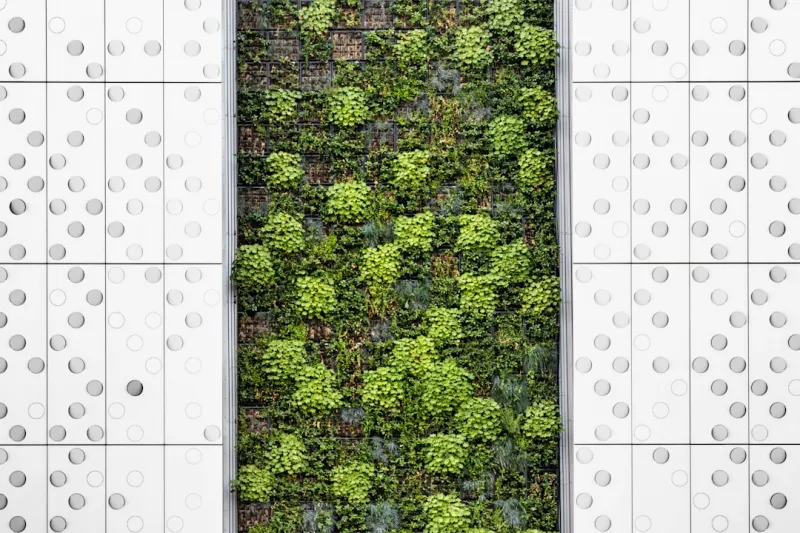
A vertical garden can transform an ordinary outdoor or indoor space into a lush oasis, making it both visually appealing and beneficial for your environment. If you’re looking to add a touch of greenery to your home but are short on space, creating a vertical garden using repurposed pallets and succulents is a fantastic solution! This project not only promotes sustainable gardening but is also an excellent way to recycle old pallets that might otherwise end up in a landfill.
The benefits of vertical gardens are numerous. They can help improve air quality, reduce urban heat, and even serve as a natural sound barrier. Moreover, pallets are readily available and often free, making this project economical. Succulents are the perfect plants for this endeavor, as they are low maintenance and can thrive in varying light conditions and climates. Additionally, the variety of colors and textures that succulents offer can create a stunning visual impact.
This DIY guide is designed for beginners, providing a step-by-step approach to making your vertical garden with ease. Though no advanced gardening skills are necessary, some basic tools and an understanding of plant care will help you succeed in this creative venture.
Tools Needed
1. Hand Saw – Essential for cutting the pallets to the desired size or removing any unwanted parts. A handsaw allows for more precision than power tools and is safer for beginners. 2. Sandpaper or Power Sander – To smooth out sharp edges and splinters from the pallet wood to ensure a safe and finished appearance. 3. Staple Gun – Useful for attaching landscaping fabric to the back and sides of the pallet, which will keep the soil in place and prevent it from falling out. 4. Gardening Gloves – Protect your hands from splinters and soil while working. They also help maintain hygiene when handling plants. 5. Paintbrush – If you decide to treat your pallet with wood preservative or paint, a paintbrush will help apply it evenly. 6. Level – To ensure your vertical garden hangs straight, a level will help you adjust it as needed for aesthetic purposes. 7. Trowel – A small hand tool perfect for planting succulents and filling the pallet with soil efficiently. 8. Drill with Bits – For creating drainage holes if needed and securing hooks or other hanging mechanisms.
Materials
1. Repurposed Pallet – 1 (Ensure the pallet is clean, dry, and free of chemicals like pesticides.) 2. Landscaping Fabric – Approximately 1 yard (to line the back and sides of the pallet and hold the soil in place.) 3. Potting Soil – 2-3 bags (ensure it’s well-draining; succulents thrive on loose, sandy soil.) 4. Succulents – 12-20 plants (choose a variety of sizes and colors for a visually appealing display.) 5. Wood Preservative or Paint – 1 gallon (optional, to protect the pallet from weather elements if outdoors.) 6. Small Rocks or Gravel – 1 bag (for ensuring good drainage at the bottom.) 7. Metal Hooks or Eye Bolts – 2-4 (for securely hanging or anchoring your vertical garden to the wall.) 8. Watering Can or Spray Bottle – 1 (for watering the succulents gently without over-saturating.) 9. Plastic or Vinyl Gloves – 1 pair (optional but helpful for handling potting soil and plants.) 10. Decorative Planters – Optional (to give a unique touch to your vertical garden.)
Step 1: Gather Your Pallet
Begin by sourcing an old wooden pallet. Check local businesses, construction sites, or even your garage. Look for a pallet that is in good condition—avoid ones that appear warped or have broken slats. Make sure it's untreated and free of chemicals. This aspect is crucial as you want a safe environment for your succulents. Once you have your pallet, inspect it closely for any nails or sharp edges.
Step 2: Clean and Prepare the Pallet
Use sandpaper or a power sander to smooth out any rough edges on the pallet. Pay attention to corners and slats to avoid the risk of splinters. If you want to apply a wood preservative or paint, this is the time to do it. Make sure that any treatment is safe for plants, allowing it to dry completely before proceeding to the next step.
Step 3: Line the Pallet with Landscaping Fabric
Using a staple gun, attach the landscaping fabric to the back and sides of the pallet. Make sure to pull the fabric tightly to keep soil from falling out. This layer will also help retain moisture while still allowing any excess water to drain through. To further ensure stability, staple additional fabric layers at the base to create a pocket for soil.
Step 4: Add Drainage Layer
Before adding soil, place small rocks or gravel at the bottom of the lined pallet. This will act as drainage, preventing soil from becoming waterlogged, which can be detrimental to succulents. Ensure even coverage, filling the bottom two to three inches of the pallet, and then gently press down.
Step 5: Fill with Potting Soil
Using a trowel, fill the pallet with potting soil. Make sure to choose a well-draining succulent mix or create your blend by adding sand to regular potting soil. Fill the pallet until the soil reaches the top but is not spilling over. Use your hands or a trowel to pack it down slightly to minimize air pockets and provide a stable base for your succulents.
Step 6: Plan Your Arrangement
Before planting, plan the arrangement of your succulents. Consider the size, color, and growth patterns. Larger succulents should go on the bottom, with smaller varieties on top to ensure they all receive adequate sunlight. Mixing different types of succulents not only creates a beautiful visual display but also adds texture and interest to your garden.
Step 7: Plant the Succulents
Once you have an arrangement in mind, it’s time to plant. Make a small hole in the soil with your trowel and place the succulent roots in, covering them gently with soil. Press down lightly to ensure they’re secure but avoid compacting the soil too tightly. After planting, you can give each succulent a gentle shake to settle the soil around the roots.
Step 8: Watering and Maintenance
After your succulents are in place, lightly water them using a watering can or spray bottle. Be cautious not to oversaturate, as succulents prefer drier conditions. Allow the pallet to drain thoroughly before placing it in its final position. Remember, each succulent may have different watering needs depending on the species, so monitor your plants for signs of underwatering or overwatering.
Step 9: Hang Your Vertical Garden
Securely hang your vertical garden on a wall, fence, or other sturdy support using metal hooks or eye bolts. Use a level to ensure your pallet is hung straight, adjusting as necessary. Ensure that the weight of the pallet is distributed evenly; you can do this by placing it on the ground first and then lifting it into position.
Step 10: Enjoy and Observe
Now that your vertical garden is complete, take time to observe how it changes over the weeks and months. Be mindful of its sunlight exposure and adjust its positioning if necessary to ensure all succulents receive enough light. Regularly check for pests or diseases, and enjoy the relaxing environment created by your new green wall!
Troubleshooting
1. Succulents are Wilting Fix: If your succulents appear wilted, it may be a sign of underwatering. Check the soil moisture level; if it feels dry several inches down, give your plants a thorough watering.
2. Mold Growth on Soil Fix: Excess moisture can lead to mold. Ensure proper drainage is in place, and consider reducing your watering frequency. Remove any moldy patches and improve airflow around the plants.
3. Leaves are Dropping Fix: Leaf drop can be due to overwatering. Allow the soil to dry out completely between waterings. Monitor the conditions regularly to identify any changes in your succulent’s health.
4. Sunburned Plants Fix: If leaves are browning or crispy, your succulents might be getting too much sun. Consider relocating the pallet to a spot with indirect sunlight or using sheer curtains if indoors.
5. Pests Infestation Fix: If you notice small bugs on your plants, treat the succulents with insecticidal soap or a homemade solution of water mixed with dish soap. Regularly wipe leaves to keep pests at bay.
Conclusion
Creating a vertical garden using repurposed pallets and succulents is a rewarding and sustainable project that can beautify any space. This guide has walked you through each step, ensuring you not only plant successfully but also create a thriving green display for your home.
Feel free to try variations of plants by including herbs or flowers alongside your succulents for added color and fragrance. Regular maintenance will keep your vertical garden looking its best, and don’t hesitate to experiment with different aesthetics—such as painting your pallets or rearranging your plants as they grow.
Enjoy the tranquility and satisfaction that comes with nurturing your vertical garden, and share your experience with friends and family!