How to create a vertical garden using repurposed ladder and succulents
Intro
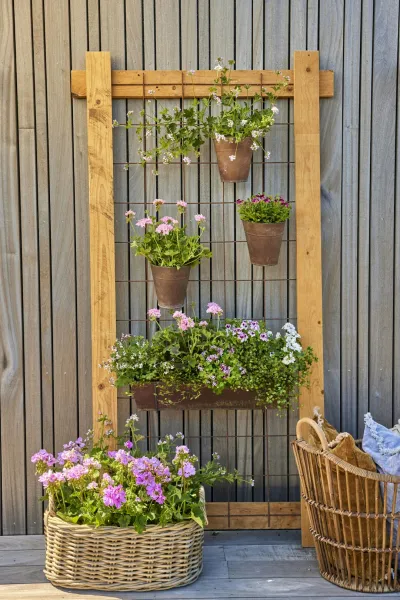
Creating a vertical garden is not just about adding greenery to your space; it's a therapeutic and rewarding DIY project that can transform your home, apartment, or outdoor area into a lush, vibrant oasis. The inspiration for this project arises from the growing need for urban gardening solutions, especially in limited spaces. With just a repurposed ladder and some succulents, you can craft an eye-catching vertical garden that not only beautifies your environment but also contributes positively to the ecosystem.
The use of a ladder adds a rustic charm and creative flair to your outdoor or indoor decor while providing an ideal structure for vertical gardening. Succulents are the perfect plants for beginners; they come in various shapes, sizes, and colors and require minimal maintenance. Their resilience to varying temperatures and drought conditions means they will thrive in your vertical garden with little hassle.
This project is suitable for all skill levels. Whether you’re a seasoned gardener or a complete novice, you can achieve stunning results. By using a repurposed ladder, you are also promoting sustainability, making this an excellent choice for eco-conscious individuals. It allows for creativity and personalization—choose your color scheme, plant varieties, and design that resonate most with your style.
Thus, join hands with nature as we delve into this detailed guide on creating a vertical garden using a repurposed ladder and succulents!
Tools Needed
1. Paintbrush or Spray Paint: To apply weather-resistant paint or sealant on the ladder to protect it from elements, particularly if it’s wooden.
2. Drill with Drill Bits: Essential for creating holes for plants and drainage; it enables you to secure pots or containers easily to the ladder.
3. Staple Gun: Handy for securing landscape fabric or mesh where the succulents will be mounted, ensuring they stay moist and protecting the ladder.
4. Gardening Gloves: Protect your hands while handling soil and plants, especially sharp succulents.
5. Trowel or Scoop: For easily transferring potting soil to small containers or spaces in the ladder.
6. Watering Can or Spray Bottle: Convenient for watering succulents without over-saturating the plants.
7. Ruler or Tape Measure: Helps in measuring plant spacing and ensuring an even distribution across the ladder.
8. Level: Ensures that each step of the ladder is straight and balanced, especially important if you're using it as a stand-alone vertical garden.
Materials
1. Old Wooden or Metal Ladder: 1 (repurposed). Depending on your space, you can choose a tall or short ladder.
2. Succulent Plants: 10-15 (varying types like Echeveria, Sedum, etc.). Choose a mix to add diversity to your design.
3. Potting Soil: 1-2 bags (specially formulated for succulents for proper drainage).
4. Coconut Coir or Landscape Fabric: 1-2 yards (for lining the ladder’s steps and holding the soil).
5. Small Planters or Containers: 5-7 (varies in size; terracotta or ceramic is ideal) to hold the succulents securely.
6. Wood or Metal Hooks: At least 10 (for hanging smaller pots or securing them).
7. Pebbles or Decorative Rocks: To add to the top layer of the soil in pots for good drainage and aesthetics.
8. Weatherproof Sealant or Paint: 1 can (optional, but recommended for longevity).
9. Twine or Rope: 1 spool (to hang plants or provide support to climbing vining succulents if desired).
10. Fertilizer: Small bag (succulents require minimal fertilization, but a specific mix can encourage growth).
Step-by-Step Instructions
### 1. Selecting and Preparing Your Ladder
What: The foundation of your vertical garden is a sturdy ladder. Choose between a wooden or metal ladder, depending on your aesthetic preference.
How: Inspect the ladder for any weaknesses or damages. If it’s wooden, sand rough spots. For metal, ensure there is no rust. Use a weatherproof sealant or spray paint to protect it from the elements. Opt for colors that will complement the succulents—white or natural wood finishes often work wonders.
Tips: If you want a more vibrant look, consider painting the ladder a bright color. However, make sure to thoroughly dry it before moving on to the next steps.
Safety: Wear a mask while sanding or painting to avoid inhaling dust or fumes.
### 2. Choosing the Right Spot
What: The best spot for your vertical garden will influence the growth and health of your succulents.
How: Select a location with sufficient sunlight, as most succulents thrive in bright light. If indoors, south-facing windows are ideal. Outdoors, consider a shaded area to prevent scorch from too much direct sunlight.
Tips: Monitor the sunlight in your chosen spot throughout the day. This will help in adjusting the position of your ladder if needed.
Safety: Ensure the chosen spot is safe for ladder placement, avoiding spots that can be prone to high winds or instability.
### 3. Preparing the Ladder for Planting
What: You must create a suitable environment for your succulents to thrive while taking full advantage of the ladder’s structure.
How: Cut the coconut coir or landscape fabric to size, ensuring it fits the ladder’s steps. Staple this fabric securely over the ladder steps, leaving the sides open for planting. This will allow for your succulents to stay moist without soil falling through.
Tips: If using multiple layers, reinforce the bottom layer with pebbles for drainage.
Safety: When using a staple gun, keep your fingers clear of the staples and aim carefully.
### 4. Planting Succulents in Containers
What: Succulents typically need containers for proper management and drainage.
How: Fill your small planters with potting soil specifically formulated for succulents. Create small holes in the center of each planter and gently place the succulent roots into the soil. Firm the soil around the root base, ensuring it’s stable yet not compacted.
Tips: Choose an assortment of succulents that vary in height and appearance for visual interest. Space the planting holes to allow each succulent room to grow.
Safety: Always wear gardening gloves when handling succulents, as some varieties can have sharp edges.
### 5. Securing Containers to the Ladder
What: Now, it's time to attach your containers to the ladder steps.
How: Use hooks or zip ties to secure the containers to the ladder. This can be done by either attaching the containers directly to the wood or surrounding them with twine or rope to prevent them from falling.
Tips: For a more aesthetic look, position taller plants toward the top of the ladder and shorter plants towards the bottom.
Safety: If working with metal hooks, ensure they are stable and tightly secured to prevent any potential for falling.
### 6. Arranging and Layering
What: Make your vertical garden visually appealing.
How: Experiment with the arrangement of your containers. Layer different plant heights and colors to create depth. Use twine to layer trailing succulents over the sides of the ladder.
Tips: Incorporate decorative rocks or marbles on top of the soil in pots to enhance the visual appeal and offer additional drainage.
Safety: Be careful with balance while reaching to place planters higher on the ladder.
### 7. Watering and Care
What: Proper care is key to a thriving vertical garden.
How: Water the succulents using a watering can or spray bottle. Focus on the soil and avoid the leaves to prevent rotting. Ensure drainage occurs during watering.
Tips: Water sparingly; succulents prefer drier conditions. Monitor the plants for any signs of distress.
Safety: Use a sturdy stool if needed for extra height when watering high planters—don’t risk falling.
### 8. Adding Finishing Touches
What: Give your vertical garden a final personalized touch.
How: Add decorative elements such as fairy lights, decorative stones, or themed ornaments to further enhance the garden’s charm. You might also consider adding labels to identify different types of succulents.
Tips: Personal touches can greatly enhance your garden's character and create an engaging display for guests.
Safety: Ensure that any additional decorations you add do not obstruct the growth or accessibility of the plants.
### 9. Maintenance and Seasonal Care
What: Continuous care is essential for a thriving vertical garden.
How: Check your garden regularly for dried leaves or any indication of pests. Remove any dead materials promptly. During the growing season, consider applying a diluted succulent fertilizer once a month.
Tips: Adjust your watering schedule according to the season. Succulents generally require less water in the colder months.
Safety: Always wear gloves when handling plants, particularly when removing any dead ones, as they may harbor pests or irritants.
### 10. Enjoy and Engage with Your Garden
What: The beauty of gardening lies in the joy it brings.
How: Take time to care for your garden and observe its growth. Engaging with your vertical garden can be a mindful activity that relaxes the mind.
Tips: Share your gardening success on social media or with friends to inspire others.
Safety: Ensure your space is free from hazards and well-lit while you work.
Troubleshooting
1. Plants Not Thriving:
- Cause: This could be due to inadequate sunlight or overwatering.
- Fix: Move the ladder to a sunnier spot or rearrange the plants for better light exposure. Adjust your watering routine to allow the soil to dry out between watering.
- Cause: Poorly installed landscape fabric or no drainage using pebbles.
- Fix: Reinforce the fabric by adding a second layer or using a different method of securing it. Make sure to layer a good portion of gravel or pebbles at the bottom of the containers.
- Cause: Insufficient water or too much heat.
- Fix: Assess your watering schedule—make adjustments as necessary. Ensure the succulents are not in direct scorching sunlight for prolonged periods.
- Cause: Overwatering can lead to mold, while stagnant water invites pests.
- Fix: Allow the soil to dry thoroughly and only water when the top layer is dry. For pests, treating with insecticidal soap can help manage the issue.
- Cause: Poor placement or weight distribution.
- Fix: Check to ensure that the ladder is placed on a flat surface and equally weighted. You can consider anchoring it with stakes if it continues to shift.
Conclusion
Creating a vertical garden using a repurposed ladder and succulents opens a world of joy and beauty for any gardener, regardless of experience. You’ve not only embraced sustainability by using old materials but also designed a unique focal point for your space. This guide has taken you through each step, blending creativity with practical gardening techniques. Remember, your vertical garden can be as unique as you are, allowing for variations in chosen plant types and decorative elements.
Maintenance is straightforward—just keep an eye on your plants, adjust your care through the seasons, and enjoy the vibrant life brought into your home. Don’t hesitate to experiment with different plants, colors, and arrangements, adapting your vertical garden over time for a personal touch.
Explore the endless possibilities of vertical gardening, and revel in the satisfaction of nurturing your own thriving little ecosystem!