How to create a self-watering vertical garden using repurposed plastic bottles
Introduction
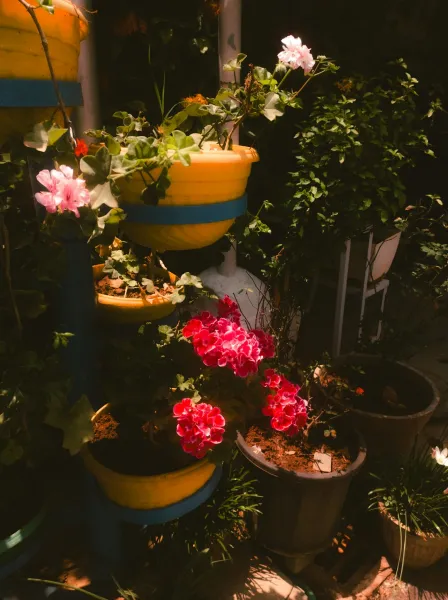
Vertical gardening is an innovative and space-efficient way to grow plants, especially in urban environments where horizontal growing space is limited. Creating a self-watering vertical garden using repurposed plastic bottles is not only an eco-friendly project but also a practical solution for both seasoned gardeners and beginners. This project allows you to transform everyday waste into a functional and beautiful garden that can provide fresh herbs, vegetables, or flowers right at your fingertips.
The benefits of constructing a self-watering vertical garden are numerous. Firstly, it conserves water by ensuring that your plants receive a steady supply without the risk of over or under-watering. This system utilizes a wicking mechanism to draw moisture up to the roots of the plants as needed. Secondly, it's an excellent way to repurpose plastic bottles, which helps minimize waste and promote environmental sustainability. By using materials that would otherwise contribute to landfill waste, you’re engaging in a creative recycling effort.
For beginners, this project is accessible and requires minimal technical skills. You will be guided through each step, ensuring that even those with no prior gardening experience can successfully create a self-watering vertical garden. This guide will provide you with the tools and materials needed, as well as detailed instructions to enable you to cultivate your own vertical gardening system, regardless of your available space!
Tools Needed
1. Scissors: Essential for cutting the plastic bottles to the required sizes to create openings for planting and for the water delivery system.
2. Drill or Awl: Helps in making drainage holes in the bottom of bottles and creating holes for wicking ropes. If using a drill, ensure you have a small drill bit.
3. Permanent Marker: Useful for marking cutting lines, hole placement, and any other measurements on the bottles before cutting.
4. Garden Twine or Nylon Rope: Acts as the wick that will pull water from the reservoir to the soil, so it's essential for the self-watering aspect.
5. Level: Ensures that your vertical garden is constructed evenly, helping to prevent excess water accumulation on one side leading to root rot.
6. Plastic Trowel: Useful for planting seedlings into the bottles without damaging their delicate roots.
7. Container for Water Reservoir (optional): While each bottle can collect some water, a larger container can be used to improve the system’s efficiency.
8. Ruler or Measuring Tape: Helps to measure and ensure accurate cutting and spacing of the bottles.
Materials
1. Plastic Bottles (12-15): Use 1- to 2-liter bottles; the amount may vary according to your design and available space.
2. Potting Soil (2-3 bags, 1.5 cubic feet each): Choose a high-quality organic potting mix for optimal plant growth.
3. Seeds or Seedlings (varied): Depending on your preference, select a mix of herbs, leafy greens, or flowering plants.
4. Garden Fertilizer (1 bag, 2 pounds): Look for a balanced, slow-release fertilizer to provide essential nutrients to your plants.
5. Perlite (1 bag, 8 quarts): This will improve drainage in the soil.
6. A Wooden Pallet or Frame (optional): If you want to add structure and height to your vertical garden, a pallet or frame can serve as the backbone.
7. Plastic sheeting or a tarp: To work on, providing a clean surface to catch the debris while cutting.
8. Watering Can or Hose: For initial watering to establish seedlings.
9. Bailing Wire (optional): Can be used to attach bottles securely if you want a more permanent structure.
10. Paint (optional): If you want to decorate or weatherproof your bottles.
Steps to Create Your Self-Watering Vertical Garden
Step 1: Clean the Bottles
Before starting, thoroughly clean the plastic bottles. Rinse them with warm soapy water and remove any labels. This step is crucial to eliminate residues that could harm your plants. It makes the surface smoother for cutting and gives you a clean canvas to work with.
Tip: Don’t forget to rinse them well to remove all soap residues. Allow them to dry completely before moving onto the next step.
Step 2: Cut the Bottles
Using your scissors, carefully cut each bottle in half horizontally, separating the bottom half from the top. The bottom half will serve as the water reservoir while the top half will hold soil and plants.
# Safety tip: Use caution when cutting. Encourage steady, even pressure to create clean edges to prevent cuts or shards.
Tip: You can also create a few holes on the side of the bottom part to help with drainage.
Step 3: Make Drainage and Wicking Holes
Next, create a small hole in the cap of each bottle to allow for the wicking rope to pass through, and make additional small drainage holes in the bottom of the top half of the bottle (the one that will be used to plant).
This will help excess water drain out of the soil, preventing overwatering.
Tip: Use an awl or a drill for precision and be careful when punching holes.
Step 4: Prepare the Wicking System
Cut lengths of your garden twine or nylon rope. Each piece should be long enough to reach from the bottom of the bottle (where the water will be) to the soil level in the top half. One to two ropes per bottle should suffice.
Insert one end of the twine through the drainage hole in the cap, allowing the other end to hang down into the bottom of the bottle where the water will be stored.
Tip: Make sure the twine is securely in place to allow proper capillary action.
Step 5: Assemble the Bottles
Once prepared, stack the top halves of the bottles onto the bottom halves, ensuring the wicking ropes are properly placed. Repeat this for each set of bottles. If attaching to a frame or pallet, arrange as desired, ensuring that bottles are secured.
Tip: Stagger the bottles for more planting surface and to ensure that sunlight reaches every plant.
Step 6: Fill with Soil
Now, fill the top halves with the potting soil blended with perlite to enhance drainage. Leave enough room at the top for the seedlings or seeds.
Tip: Gently pack the soil but avoid compacting it too tightly; this helps with root growth.
Step 7: Plant Your Seeds or Seedlings
Plant your seeds or seedlings into the soil, following the specific depth and spacing instructions for each type of plant. Water them lightly with a watering can or hose to help the soil settle around the roots.
Tip: Consider grouping plants with similar water needs together for optimal growth.
Step 8: Set Up the Watering System
Fill the bottom halves with water. The ropes will draw moisture upwards, keeping your plants hydrated. Use a larger container if you plan to create a more extensive garden or add multiple levels.
Tip: Regularly check the water level and replace as necessary, especially during dry spells.
Step 9: Monitor and Adjust
Once your garden is set up, it’s essential to monitor the plant growth and the effectiveness of the watering system. Look for signs of under or over-watering—stale soil may indicate too much water, while wilting could suggest insufficient moisture.
Tip: Adjust the wicking ropes if you notice uneven moisture distribution.
Step 10: Maintain Your Garden
Your self-watering vertical garden will require occasional maintenance. This includes thinning out growth, adjusting for sunlight, and re-filling the water reservoir as needed.
Consider fertilizing every few weeks to promote healthy growth. Be sure to remove any dead or decaying plant material to prevent pests.
Tip: Rotate plants seasonally for fresh growth and variety.
Troubleshooting
Even the most carefully constructed vertical garden can face a few hiccups. Here are some common issues and their fixes:
1. Overwatering: Signs include water pooling at the base of the plants. Fix: Check that the drainage holes are clear, and ensure the wicking twine isn't saturating the soil excessively; adjust or replace it if needed.
2. Underwatering: Wilted or brown leaves indicate dry plants. Fix: Ensure that the wicking system is working correctly. If necessary, pre-soak the rope or adjust its length to improve moisture delivery.
3. Pests: Aphids or whiteflies may infest the plants. Fix: Introduce beneficial insects like ladybugs, or use insecticidal soap to treat the plants safely.
4. Stagnant Water: There may be a foul smell. Fix: Check both the bottom and top containers. Clear any debris that might be causing water stagnation.
5. Roots Overgrowing: If plants seem to be stunted, check if the roots have inhabited the entire bottle. Fix: Thin out the plants and consider replanting some in separate containers to help with spacing.
Conclusion
Creating a self-watering vertical garden using repurposed plastic bottles is an innovative way to contribute to a sustainable lifestyle while enjoying the beauty of greenery. You’ve taken a step toward reducing plastic waste and cultivating your herbs or vegetables—right at home!
With ongoing maintenance including regular watering, monitoring plant health, and managing pests, your vertical garden will flourish. Don't hesitate to experiment with various plants or even change up your design; creativity is key.
Whether adapting to a different material or trying to grow new varieties of plants, the possibilities are endless. Enjoy the experience of watching your garden evolve!