How to create an indoor vertical garden with repurposed plastic bottles and LED grow lights
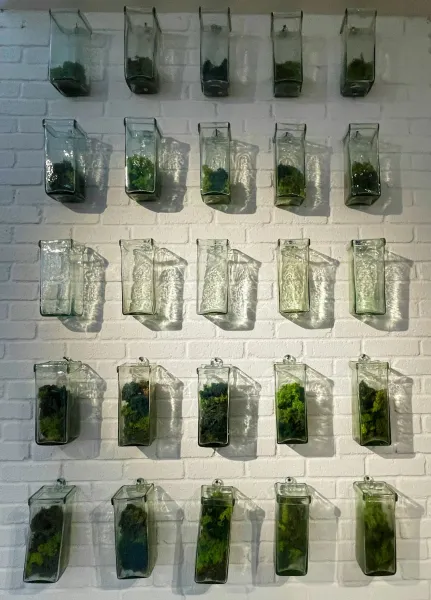
Creating an indoor vertical garden is a rewarding and eco-friendly way to bring nature indoors, especially for those with limited space. Utilizing repurposed plastic bottles not only helps reduce waste but also allows you to create a unique and personalized growing system for herbs, vegetables, or decorative plants. Coupled with LED grow lights, this project can thrive regardless of the season, ensuring that your plants receive ample light for optimal growth.
Why This Project?
As many of us have moved towards sustainable living and conscious consumerism, repurposing items is a fantastic way to promote an eco-friendly lifestyle. Implementing an indoor vertical garden using plastic bottles addresses several challenges common to urban dwellers: limited outdoor space, harsh weather conditions, and the desire for fresh produce year-round.
The potential benefits of having your indoor vertical garden include:
- Space Efficiency: Vertical gardens can fit into small areas, maximizing the use of vertical space in your home.
- Improved Air Quality: Indoor plants naturally filter toxins and increase oxygen levels, making your living space healthier.
- Aesthetic Appeal: A vertical garden adds a beautiful natural element to your home décor.
- Accessibility: Having fresh herbs and vegetables at your fingertips encourages healthier eating habits.
Tools Needed
1. Utility Knife: Essential for cutting the plastic bottles to create planting pockets. A sharp blade ensures clean edges and less risk of injury.
2. Drill or Screwdriver: Use to create drainage holes in the bottom of each bottle and to secure the vertical structure against the wall.
3. Ruler or Measuring Tape: Necessary for measuring plant bottle dimensions and spacing for an organized layout.
4. Marking Pen or Pencil: To mark the cutting lines on the bottles before making any cuts, ensuring accurate and precise openings.
5. Sandpaper: To smooth out any sharp edges after cutting the bottles, preventing potential injuries when handling them.
6. Twine or String: For securing the bottles together or providing additional support for the vertical garden structure.
7. Gloves: Protects your hands while working with sharp tools and keeps them clean while handling soil and plants.
8. Watering Can or Spray Bottle: For easy watering; a spray bottle is excellent for misting small plants or seedlings.
Materials
- Plastic Bottles: 6-10 bottles (preferably 2-liter soda bottles or similar);
- Potting Soil: 1-2 cubic feet (choose a lightweight mix suitable for container gardening);
- Seeds or Seedlings: Various types depending on your preference (herbs like basil, mint, or small vegetables like lettuce and spinach);
- LED Grow Lights: 1-2 panels or bulbs, depending on the size of your garden;
- PVC Pipe or Wood Planks: 1-2 pieces for the vertical frame (length varies based on desired height);
- Hanging Hooks: 6-10, depending on how many bottles you wish to hang;
- Hooks for Grow Lights: At least 2 to hang the grow lights above the garden;
- Watering Tray: 1-2 for catching excess water from the hanging bottles.
Introduction to Your Vertical Garden
Creating an indoor vertical garden with repurposed plastic bottles is an empowering experience. With minimal investment and effort, you can develop a small urban oasis with beautiful plants that highlight your living space while providing fresh herbs and greens. This project invites creativity, as you can modify it to suit your style or needs, whether you prefer herbs, succulents, or even small flowers.
Gardening has numerous benefits that go beyond just aesthetics and nutrition. Studies suggest that nurturing plants can reduce stress, improve mood, and enhance cognitive function. Tending to your indoor garden provides a therapeutic outlet, as you learn to observe plant growth, diagnose problems, and care for living things.
Ready to embark on this environmental journey? Let’s dive into the step-by-step process.
### Step 1: Prepare Your Workspace
Before diving into the project, it’s vital to set up a clean and safe workspace. Choose an area that is well-lit and has easy access to power outlets for your LED grow lights. Gather all your tools and materials to keep everything organized within reach.
Tip: Use a drop cloth or old newspapers to protect your surfaces from soil and water spills, which will make clean-up easier.
Safety: Wear gloves to avoid scratches or cuts from tools and sharp plastic edges.
### Step 2: Cut the Plastic Bottles
Begin by rinsing out your plastic bottles to remove any residues. Once clean, use the utility knife to carefully cut the bottles in half lengthwise or into individual pockets, depending on your design choice.
Tip: If your bottles have a label, remove it completely for a cleaner look. For easier cutting, heat the blade of your utility knife slightly, which will make it glide through plastic more smoothly.
Safety Note: Exercise caution when handling the utility knife; make sure it’s stable and cut away from your body.
### Step 3: Create Drainage Holes
Next, using the drill or screwdriver, create several small holes in the bottom of each bottle. This step is crucial as it prevents water accumulation, which can lead to root rot in your plants.
Tip: If using a screwdriver, place a scrap piece of wood underneath the bottle while drilling to avoid damage to your surface.
Follow-Up: Clean the drill bit every few uses to maintain good performance.
### Step 4: Assemble the Vertical Framework
Decide whether you want to use PVC pipes or wooden planks as the vertical framework for your garden. Cut them to your desired height and secure them to a wall or balcony using hooks and screws.
Tip: If using wood, consider staining or sealing it first to improve durability.
Pro Tip: Position the framework near a window or a power point for your LED grow lights.
### Step 5: Attach the Bottles
Now that you have your framework, it’s time to attach the bottles. Use twine or string to hang the bottles from the framework at consistent intervals. The ideal spacing allows plants room to grow but still ensures they receive enough light.
Tip: Keep the bottles slightly angled away from your wall to allow for easy watering.
Safety Note: Ensure that all knots are secure before proceeding to the next step.
### Step 6: Fill Bottles with Potting Soil
Fill each bottle with potting soil, leaving about an inch of space from the top. Use your fingers or a small hand trowel to pack down the soil lightly.
Tip: Moisten the soil slightly before planting to help it settle and create a hospitable environment for your seedlings.
Environmental Reminder: Choose an organic potting mix as this will be a healthy environment for your food plants.
### Step 7: Plant Seeds or Seedlings
This is one of the most exciting phases—planting! Depending on the types of plants you chose, follow the appropriate planting depth guidelines from your seed packets or seedlings. Make small holes with your finger or a stick, drop in the seeds or seedlings, and gently cover them with soil.
Tip: Label each bottle with the plant name and planting date using markers for easy identification later.
Check: Ensure the seedlings aren’t too crowded for optimal growth space.
### Step 8: Install LED Grow Lights
Position your LED grow lights above your vertical garden setup. Aim for a distance of about 12-24 inches, depending on the strength of your lights and the types of plants growing. Secure them in place using hooks or brackets.
Tip: Set a timer for the lights to mimic natural daylight cycles—typically around 12-16 hours a day for best growth.
Safety Note: Ensure the light cord and connection are secure and away from water to prevent any electrical hazards.
### Step 9: Watering
Regularly check the moisture levels of your plants and water them accordingly. Depending on the type of plants, you may need to water semi-regularly to maintain moisture without over-saturation.
Tip: Water in the early morning or late afternoon to allow for evaporation and to keep roots healthy.
Check: If using a spray bottle, mist the plants lightly for seedlings to prevent shock.
### Step 10: Monitor Growth and Adjust Care
As your plants grow, monitor their health closely. Look out for yellowing leaves, slow growth, or signs of pests. Make adjustments to watering and light exposure as needed to improve your plant’s conditions.
Tip: Rotate your garden periodically to ensure all plants receive equal light.
Final Thought: Remember that gardening is a learning process; don’t be discouraged by setbacks, as they often yield the most valuable lessons.
Troubleshooting Common Issues
Creating an indoor vertical garden may come with a learning curve. Here are five common issues you might encounter and potential fixes:
1. Pest Infestations: Insects like aphids or spider mites can invade your plants. Use a mixture of water and mild soap to spray the affected areas and remove pests manually if needed.
2. Yellowing Leaves: This could indicate overwatering or nutrient deficiencies. Check your watering schedule and consider adding a balanced, organic fertilizer to the soil.
3. Poor Growth or Leggy Plants: Ensure your LED grow lights provide sufficient brightness and are located at an appropriate distance for healthy growth. Adjust the timer to allow more light exposure.
4. Odor from Water: If your watering tray smells unpleasant, empty and clean it regularly to prevent bacteria build-up. Ensure good drainage in your bottles.
5. Dried-out Soil: If the soil seems too dry, consider increasing your watering frequency. Regularly monitor moisture levels and don’t hesitate to mist the soil if needed.
Conclusion
Creating an indoor vertical garden using repurposed plastic bottles and LED grow lights is an enriching project that combines sustainability with creativity. You’ve now learned to make a unique garden that not only enhances the aesthetics of your home but also serves as a source of fresh herbs and vegetables, thereby promoting healthier living.
Variations: Experiment with different plant varieties, such as vertical flower gardens or succulent towers. Modify the size and shape of your vertical frame to match your unique space.
Maintenance: Remember to regularly check the moisture of the soil, observe your plants for any signs of stress, and enjoy harvesting your fresh crops as they mature.
Ultimately, gardening is as much about the journey as it is about the final product. Embrace the process, stay curious, and let your indoor vertical garden flourish!