How to create an indoor vertical garden using repurposed pallets and LED grow lights
Introduction
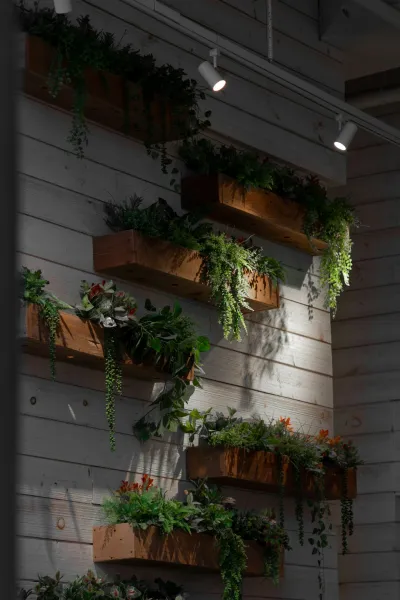
Creating an indoor vertical garden is a rewarding project that can significantly enhance your living space. Not only does it promote the aesthetic appeal of your home, but it also provides numerous benefits such as improved air quality, reduced stress levels, and easy access to fresh herbs and vegetables. In today’s urban environment, where space might be limited, vertical gardening offers a practical solution that maximizes your available square footage while minimizing the footprint of your garden.
Repurposing wooden pallets for your indoor garden is not only cost-effective but also environmentally friendly. By reusing materials that would otherwise contribute to waste, you’re taking an eco-conscious approach. Moreover, this project is suitable for beginners, as it requires basic tools and skills. The use of LED grow lights further enhances your garden’s potential, providing the necessary spectrum of light that your plants need to thrive, even in low-light environments.
This DIY guide is designed to help you create an indoor vertical garden using repurposed pallets and LED grow lights. Throughout this project, you will learn the essentials of building a sustainable garden that suits your space and lifestyle. From gathering materials to troubleshooting potential issues, we’ll cover everything you need to know to successfully cultivate your indoor garden.
Tools Needed
- Screwdriver: Necessary for assembling and disassembling the pallet to fit your design.
- Hammer: Helps in nailing wooden components together and can also be used for prying.
- Hand Saw or Reciprocating Saw: For cutting the pallets to your desired size and shape.
- Sandpaper or Orbital Sander: Essential for smoothing rough edges on the pallet wood to ensure safety and aesthetics.
- Level: This tool ensures your vertical garden is straight and balanced, preventing damage to the structure.
- Paintbrush or Roller: If you choose to seal or paint the wood, this tool is necessary to evenly apply your chosen finish.
- Measuring Tape: Helps in measuring dimensions accurately, ensuring that your plants have ample space to grow.
- Drill with Bits: For creating drainage holes and securing the pallets to the wall or each other.
Materials
- Repurposed Pallet: 1 or 2 depending on the size of your garden.
- Potting Soil: 2 bags (1.5 cu ft each) for filling the pallet spaces with soil.
- Plants or Seeds: Various herbs or small vegetables (e.g., basil, mint, lettuce) - around 10 to 15 seedlings.
- Wood Sealer or Outdoor Paint: 1 can to protect the wood from moisture and pests.
- LED Grow Lights: 1 or 2 grow lights suitable for your space.
- Watering Can or Spray Bottle: For watering your plants effectively without over-saturating.
- Landscape Fabric or Plastic Sheeting: 1 roll to line the planter boxes and retain soil.
- Nails or Screws: 1 box to fasten components securely together.
- Hanging Brackets or Wall Anchors: As needed, to mount the vertical garden securely to the wall or ceiling.
- Plant Labels (optional): 1 packet for keeping track of the variety of plants you introduce into your vertical garden.
Step-by-Step Guide
Step 1: Gather Your Materials
Before diving into the actual construction, make sure you have all your materials and tools ready to go. This includes selecting a location for your indoor garden, ensuring there’s sufficient natural light or proximity to a power source for your LED grow lights. Tip: If you can, have a plan layout of how you envision the pallet garden will look, so you can ensure efficient use of materials.
Step 2: Prepare the Pallet
The first hands-on task is to prepare the repurposed pallet. Use a hammer or pry bar to remove any loose boards and nails. Once the pallet is fully disassembled, use sandpaper to smooth rough surfaces and edges to prevent splinters and injuries. Safety Tip: Make sure to wear gloves while handling any rough wood surfaces or sharp nails to avoid injury.
Step 3: Designing the Vertical Garden
Once you have a prepared pallet, design your vertical garden. Decide whether you want a single unit or stacked layers. For beginners, a single pallet with a few levels is ideal. Mark out which sections you want to house plants—typically, you’ll want the top layers for plants with lengthier growth times and the lower layers for quick-growing varieties. Tip: Leave enough space between each plant section to allow for optimal growth and airflow.
Step 4: Create Planting Boxes
To turn the pallet into a vertical planting system, you need to create planting boxes. Cut wood planks to fit between the slats of the pallet, nailing or screwing them down to secure them. Be sure to leave openings at the top and bottom for drainage and air circulation. Line these boxes with landscape fabric or plastic sheeting to retain soil while allowing excess water to drain out. Safety Tip: Always use eye protection when cutting wood or operating power tools.
Step 5: Treat and Seal the Wood
To prolong the lifespan of your garden, apply wood sealer or outdoor paint to the entire surface of the pallet. This step protects against water damage and mold growth. Let it dry completely before moving onto the next step. Tip: Use a water-based sealant for a more environmentally friendly application and to reduce harmful fumes.
Step 6: Fill the Planters with Soil
Now it’s time to fill your newly formed plant boxes with potting soil. Use soil that is well-draining yet capable of retaining moisture. Fill each box to about an inch below the top, leaving room for the plants. Tip: Gently pat down the soil to avoid air pockets but do not compact it too much as plants need space for root growth.
Step 7: Plant Your Vegetables or Herbs
With the soil in place, it’s time to plant your herbs or vegetables. Before planting, soak the roots of seedlings in water for about ten minutes to reduce transplant shock. Carefully place each seedling in the soil, ensuring they are planted deeply enough for stability, then cover their roots with the remaining soil. Tip: Group plants with similar water and light needs together for easier maintenance.
Step 8: Install LED Grow Lights
After planting, it's critical to install the LED grow lights. You can either mount them to your wall or hang them above your vertical garden. Ensure that the grow lights are at a distance that allows for optimal growth—generally 12-24 inches above the plants. Set the lights on a timer to mimic natural sunlight conditions. Tip: Adjust the height of the lights as plants grow to ensure consistent light exposure.
Step 9: Watering and Feeding
Maintain your vertical garden by regularly watering your plants, keeping track of moisture levels in the soil. Deep watering is more beneficial than frequent shallow watering. Consider using a spray bottle for smaller, delicate plants to avoid soil displacement. Additionally, use organic fertilizers or compost to boost nutrient levels as needed. Tip: Always check the water needs of your specific plant varieties to avoid over or under-watering them.
Step 10: Monitor Growth and Maintain Your Garden
The final step involves monitoring your garden’s conditions. Keep an eye on the growth of your plants, adjusting water and light as necessary. Regularly check for pests and disease, removing affected plants to protect your garden. Pruning dead leaves and actively monitoring for nutrient deficiencies will also ensure healthier growth. Tip: Keep a gardening diary to note your observations and track plant development.
Troubleshooting
Even with careful planning, issues may arise when creating and maintaining your vertical garden. Here are some common problems and their fixes:
1. Over-watered Plants: If you notice yellowing leaves and wilting, you may be over-watering. Adjust your watering schedule and ensure your pallet has adequate drainage.
2. Insufficient Light: Plants may appear leggy or stretch towards the light source—an indication they’re not receiving enough. Adjust the height of your grow lights or choose plants that require less light.
3. Pest Infestation: Look for signs like wilting leaves or visible insects. Treat infestations immediately with insecticidal soap or neem oil to keep your plants healthy.
4. Nutrient Deficiency: Signs such as yellow leaves or stunted growth indicate nutrient needs. Use organic fertilizers every few weeks to replenish soil nutrients.
5. Rotting Roots: If you notice foul smells, your plants may have root rot from overwatering. Adjust your watering technique and ensure that your patio is not retaining excess moisture.
Conclusion
Creating an indoor vertical garden using repurposed pallets and LED grow lights is an excellent and enjoyable DIY project for any beginner. This project not only beautifies your indoor environment but also promotes sustainability and offers a fresh supply of herbs and vegetables.
Feel free to experiment with different plants and pallet designs according to your taste. You might even find variations in your watering routine or lighting setup that further enhance your garden’s health. Regular maintenance is crucial, but with time and experience, you will confidently cultivate thriving indoor greenery.
By implementing these steps, you now have the foundation for a successful vertical garden that can flourish, bringing both beauty and fresh produce into your home.