How to create a vertical garden using upcycled pallets and drip irrigation system
Tools Needed
1. Screwdriver or Drill
- A drill will be used for making holes and screwing things together, which is especially helpful for assembling the pallet and creating drainage holes.
- A handsaw or power saw will allow you to cut the pallet to your desired height and depth, making it easy to customize the vertical garden to fit your space.
- Accurate measurements are crucial for ensuring that the vertical garden fits well in your chosen location. A tape measure will help you gauge size and spacing accurately.
- To ensure that your vertical garden is not leaning or unevenly hung, a level is essential for checking horizontal and vertical alignments.
- Pliers will be useful for bending or cutting wire, which can be necessary for securing plants or the drip irrigation system components.
- A utility knife can be helpful to score or cut landscaping fabric or plastic sheeting used in the construction process.
- These tools will help you securely attach landscaping fabric to the wooden structure of the pallet garden to hold soil and prevent it from falling through.
- If you decide to use wood sealant or paint to protect your pallets from the elements, a quality paintbrush will allow you to apply it evenly.
Materials
1. Wooden Pallets: 1-2 (depending on desired height and space) 2. Landscape Fabric: 1 roll (around 3 feet by 10 feet) 3. Potting Soil: 2-3 bags (based on your plants' depth requirements) 4. Plants or Seeds: Varied (7-10 plants such as herbs, small flowers, or succulents) 5. Drip Irrigation Kit: 1 (typically has tubing, connectors, emitters) 6. Wood Sealant or Outdoor Paint: 1 quart (optional, for protecting pallets) 7. Screws or Nails: 1 box (2-3 inch outdoor-rated for securing everything) 8. Hose Connector with Timer: 1 (for automatic watering) 9. Plastic Containers (optional): 2-3 (to hold potting soil for individual plants) 10. Garden Gloves: 1 pair (to protect your hands during assembly and planting)
Introduction
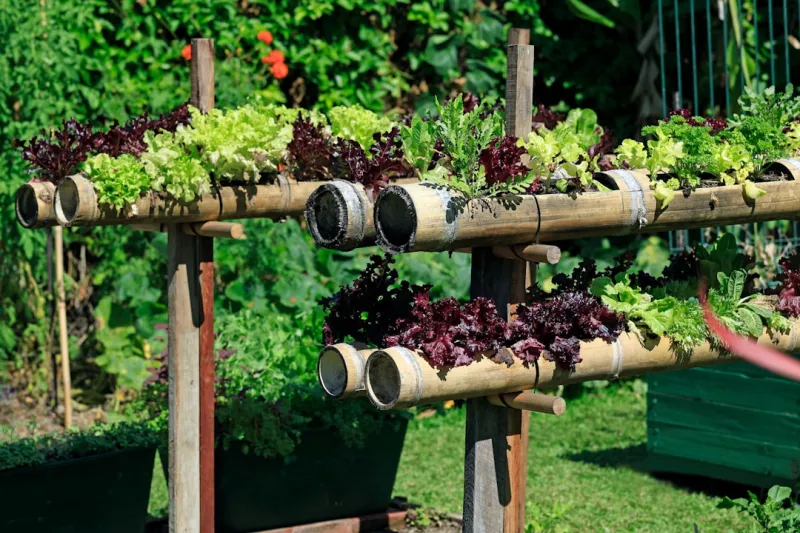
Creating a vertical garden using upcycled pallets is a remarkable DIY project that combines creativity, sustainability, and an opportunity to enhance your living space. With growing concerns about space utilization in urban areas and a surge in interest toward environmentally-friendly gardening, this project is perfect for beginners looking to dive into the world of gardening.
Vertical gardens are not only aesthetically pleasing, but they also maximize limited space by allowing you to cultivate plants vertically. Whether you have a small backyard, a tight balcony, or even just a sunny wall in your home, this project enables you to bring greenery into your life with minimal effort. The added benefit of drip irrigation ensures that your plants receive the right amount of water, reducing waste and promoting healthier plants.
From herbs for culinary use to beautiful flowers that brighten up your living space, the possibilities are endless. Best of all, this project primarily utilizes recycled materials, making it an affordable and eco-friendly venture. The skill level required is beginner-friendly, making this an excellent choice for novice gardeners or those new to DIY projects. In the following sections, you will find a detailed step-by-step guide on how to create your own vertical garden.
Steps to Create a Vertical Garden
Step 1: Choosing the Right Location
The first crucial step in creating a vertical garden is to select an appropriate location. Your chosen spot should receive adequate sunlight—ideally at least 4-6 hours a day—especially if you plan on growing vegetables or flowering plants. Assess the area for accessibility for watering and maintenance. If using a wall, check for watertightness to protect your house or property.
Tip: Before you make a final decision, consider future shading from trees or neighboring buildings. Test the sunlight availability at various times of the day to ensure it meets the requirements of your chosen plants.
Safety: Make sure the selected location isn’t in proximity to electrical wires or plumbing to avoid future complications during installation.
Step 2: Prepare Your Pallet
Once you've selected the right location, it’s time to prepare your pallet. Choose pallets that are clean, sturdy, and free from chemical treatments. If desired, apply a non-toxic wood sealant or outdoor paint for weather resistance.
How:
- Using your saw, cut the pallet down to size to fit in your chosen location.
- Sand down rough edges to avoid splinters.
Safety: Always wear gloves and protective eyewear when cutting or sawing wood to avoid injuries.
Step 3: Line the Pallet with Landscape Fabric
Once your pallet is cut and ready, line the interior spaces with landscape fabric. This serves to hold potting soil while allowing water to drain.
How:
- Cut your landscape fabric to size, ensuring it covers the inside of the pallet.
- Use a staple gun to securely attach the fabric to the pallet slats, making sure to create “pockets” for the soil and plants.
Safety: Handle the staple gun carefully to avoid pinching your fingers or causing unintended injury.
Step 4: Adding Soil
Fill each pocket created by the landscape fabric with potting soil. Choose a soil that’s rich in nutrients and drains well.
How:
- Pack the soil tightly but not overly compacted into each pocket to ensure adequate drainage and aeration.
Step 5: Selecting and Planting Your Greens
Select plants that suit your gardening style and the light conditions at your chosen location. Consider growing herbs (such as basil, thyme, and mint), ornamental flowers, or even small vegetables.
How:
- For each pocket, carefully create a small hole in the soil with your fingers, place in the root system, and cover it with more soil.
- Water them lightly to set them in place.
Step 6: Setting Up the Drip Irrigation System
The drip irrigation system will help you water your vertical garden efficiently.
How:
- Using the drip irrigation kit components, lay out your main line from a water source to your vertical garden.
- Connect each emitter to the lines and place them directly at the root zones of your plants.
Safety: Ensure all connections are properly secured to prevent leaks, and remember to test the system before planting to ensure everything works.
Step 7: Secure the Pallet to the Wall or Stand
To prevent your vertical garden from falling, it’s crucial to securely attach the pallet to a wall or create a stable support stand.
How:
- If attaching it to the wall, use strong screws or wall anchors placed into the studs if possible.
- If using a stand, ensure it’s sturdy and level.
Step 8: Testing the System
Before introducing your plants permanently into the care of this system, take a moment to test both the structural integrity and the drip irrigation function.
How:
- Turn water on and observe how well it flows through the emitters.
- Check for potential leaks in your hoses and droppers.
Step 9: Maintenance and Care
With your vertical garden complete, establishing a routine maintenance schedule will ensure your plants thrive.
How:
- Regularly check the water system and the moisture levels of your soil.
- Open the irrigation valve to change the watering duration or adjust settings based on seasonal needs.
Step 10: Enjoy Your Vertical Garden!
Finally, enjoy the beauty and bounty of your new vertical garden! Engage with your plants, committing to its care and observing how your efforts transform your wall into a lush garden display.
Tip: Document your plant growth with photos—it's gratifying to see how much your garden flourishes over time.
Troubleshooting Common Issues
1. Pallet Weakening Over Time Fix: Ensure you treat the wood with weatherproof sealant. Regularly inspect the integrity and replace sections as needed.
2. Soil Drying Too Quickly Fix: Adjust the drip irrigation system’s timer settings or add mulch to retain moisture. Consider using moisture-retaining soil mixes.
3. Plants Not Thriving Fix: Identify sunlight needs and adjust the location or the specific plants used. Nutrient deficiencies can also affect growth, so consider fertilization.
4. Water Overflowing Fix: Check if your drip emitters are clogging or if your slopes are improper. Adjust the emitter placements to spread the water more evenly.
5. Pest Infestation Fix: Use organic insecticides or introduce beneficial insects that can control pests without damaging your plants.
Conclusion
Creating a vertical garden using upcycled pallets not only promotes a sustainable approach to gardening but also creates a stunning feature for your home or outdoor space. This DIY project transforms discarded materials into a viable horticultural endeavor and delivers the benefits of homegrown herbs, flowers, and vegetables.
As you gain experience, consider variations such as painting your pallets in vibrant colors, combining different materials for aesthetic appeal, or experimenting with various plant selections. Regular maintenance will keep your garden flourishing and beautiful throughout the seasons. Celebrate your creative endeavor—each plant is a testament to your efforts in turning the ordinary into something extraordinary!
Happy gardening!