How to create a vertical garden using repurposed plastic bottles on a balcony
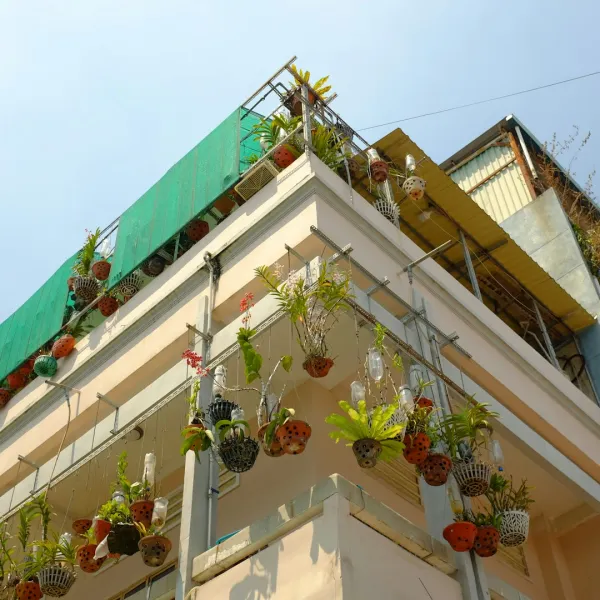
Tools Needed
Creating a vertical garden using repurposed plastic bottles involves a variety of tools that will help you assemble your garden efficiently. Here’s what you will need:
- Scissors: Needed for cutting bottles and other materials. A good pair will make the task easier and safer, allowing for clean cuts without too much effort.
- Drill: For making drainage holes in the plastic bottles. A mini drill is perfect for this task as it offers precision and control. Proper drainage is crucial to prevent root rot in your plants.
- Ruler/Tape Measure: Essential for measuring bottle placements accurately. This ensures that your garden has a uniform appearance and maximizes the space on your balcony.
- Marker/Pen: To mark where you want to cut or drill holes. Using a marker will help you maintain accuracy, leading to cleaner cuts and better alignments when assembling your vertical garden.
- String or Twine: Useful for hanging the bottles or securing them together. A sturdy twine can support the weight of the bottles filled with soil and plants effectively.
- Gloves: To protect your hands from sharp edges and soil while working. Wearing gloves ensures safety and maintains cleanliness.
- Watering Can/Spray Bottle: For watering your plants. A large watering can is useful for larger plants, while a spray bottle is great for smaller seedlings or delicate leaves.
- Pencil: For making initial marks and notes in planning your garden. It’s also handy for labeling plants once they are set.
Materials
You will need a variety of materials to successfully create your vertical garden. Here’s a detailed list:
- Plastic Bottles: 10-12 large plastic bottles (such as soda bottles). These will serve as the planting containers for your vertical garden. You can use any size, but 2-liter bottles work best.
- Potting Soil: 2-3 bags (about 5 gallons each). Essential for providing nutrients to your plants.
- Plants or Seeds: Choose 5-10 plants according to your preference and climate (e.g., herbs, flowers, or small vegetables). Fast-growing plants are ideal for beginners.
- Wire Mesh or Chicken Wire: About 2 square meters. This can be used to provide further support for your bottles, especially if you are stacking them vertically.
- Zip Ties or Hooks: 20-30 pieces. These will be used to secure the bottles to each other or to a frame. They are sturdy and weather-resistant.
- Paint or Sealant: Optional, for decoration and weather-proofing the bottles if preferred. Paint can give your garden a personalized touch.
- Hanging Hooks or Eye Bolts: Use as many as needed depending on your balcony. These will provide an anchor for hanging your vertical garden.
- Fertilizer: A small bag of organic or slow-release fertilizer to enrich the soil. This helps promote healthier growth in your plants.
Introduction
Creating a vertical garden is a fantastic project for anyone looking to maximize their growing space, particularly if you have a small balcony. This DIY project not only reuses materials that might otherwise end up in a landfill but also adds a splash of greenery to your living space. Vertical gardens are a stunning way to bring nature into urban environments.
Benefits of this project are multifaceted. Firstly, it allows you to grow your food at home. Imagine snipping fresh herbs like basil or parsley straight from your vertical garden while cooking dinner! Beyond edible plants, vertical gardens also provide aesthetic appeal, improving the ambiance of your space with lush greenery and colors that brighten even the darkest corners. They also contribute to improved air quality, making them a healthy addition to urban environments.
As for skill level, this project is beginner-friendly. You don’t need extensive gardening knowledge or sophisticated woodworking skills to create your vertical garden. This project emphasizes creativity and resourcefulness in reusing plastic bottles, making it accessible to everyone, including kids (with adult supervision). It’s an excellent way to foster an interest in plants and the environment.
Step-by-Step Instructions
### Step 1: Collect Your Materials
Before starting, gather all your materials and tools in one location. This minimizes interruptions during the construction process. Make sure each bottle is clean and free of residue from previous contents.
- Tip: Use soap and water to wash the bottles and rinse them thoroughly. It’s a good practice to remove any labels as well.
### Step 2: Choose a Location on Your Balcony
Determine where on your balcony your vertical garden will be placed. Consider light availability, as most plants thrive in sunlight. An east-facing balcony is often ideal for morning light, while a south-facing balcony provides all-day sun.
- Tip: Observe the sunlight patterns over several days to figure out the best location for your plants.
### Step 3: Cut the Plastic Bottles
Use your scissors to cut bottles in half horizontally. Make sure you’re cutting at a height that allows for ample soil and roots.
- Tip: For increased drainage, you can create additional holes near the bottom of the half that will be upside down in your vertical system.
### Step 4: Drill Drainage Holes
Utilizing the drill, make small holes at the bottom of each bottle (half). This will allow excess water to drain to prevent root rot.
- Safety Note: Always wear protective eyewear and gloves while drilling.
### Step 5: Prepare the Hanging Mechanism
Decide how you wish to hang your bottles vertically. You can either stack the bottles and use wire mesh for support or create a more structured frame using wood or metal. If opting for a frame, secure the frame tightly to your balcony railing.
- Tip: String or twine can also provide a rustic feel while keeping weight distributed evenly.
### Step 6: Fill the Bottles with Soil
Fill the cut bottles with potting soil, leaving about one inch from the top. Ensure that the soil is not too compact; looser soil allows better aeration.
- Tip: Mixing in some slow-release fertilizer with your potting soil can provide your plants with essential nutrients over time.
### Step 7: Plant Your Chosen Plants
Now it’s time to plant your seedlings or seeds into the bottles. If you are using seedlings, create a small hole in the soil and gently transplant the seedling while ensuring the roots are covered.
- Tip: It’s best to choose smaller plants or herbs like mint, basil, or tomatoes since they don’t require a lot of space.
### Step 8: Secure the Bottles in Place
Using the zip ties or hanging hooks, secure the filled bottles in your frame or arrangement. Ensure they're tightly fastened and that their weight is well supported.
- Tip: Regularly check the stability of the bottles, especially right after watering when they are heavier.
### Step 9: Water and Fertilize
Once your plants are secured, water them thoroughly. For newly planted seedlings, use a spray bottle or watering can to avoid displacing the soil.
- Tip: Watering should be done early in the morning or later in the evening to prevent evaporation.
### Step 10: Maintenance and Observation
With your vertical garden now established, the key is regular observation and maintenance. Keep an eye on soil moisture, the health of your plants, and any unwanted pests.
- Tip: Rotate your plants if they start leaning towards the sun to ensure even growth.
Troubleshooting
Even the best-planned projects can have hiccups. Here are some common issues you may face and how to solve them:
1. Root Rot: If leaves turn yellow and appear wilted, this could indicate overwatering or poor drainage. Ensure drainage holes are clear and adjust your watering schedule.
2. Wilting Plants: This may indicate inadequate watering. Check the moisture level of the soil. If it's dry, water the plants and adjust your frequency.
3. Infestation of Pests: Check your plants regularly for aphids or spider mites. If found, use an insecticidal soap or a mixture of water and dish soap to spray on infected areas.
4. Insufficient Sunlight: If your plants appear leggy or are growing slowly, they may need more sunlight. Consider repositioning your vertical garden for better exposure or choosing plants that can tolerate partial shade.
5. Reduced Growth: This may be the result of nutrient depletion in the soil. If plants are not thriving after a few weeks, consider mixing in some organic fertilizer to provide a boost.
Conclusion
Creating a vertical garden using repurposed plastic bottles on your balcony is an eco-friendly endeavor that adds both beauty and functionality to your living space. You’ve learned how to transform simple waste into an array of lush plants, perfect for enhancing your home environment.
Variations for your vertical garden can include using different types of bottles, varying plant choices regardless of space—try cascading plants or flowers that add interesting colors. You can also add decorative features like fairy lights or frame embellishments to personalize your garden further.
Lastly, maintenance involves regular watering, monitoring the health of your plants, and seasonal adjustments such as swapping out plants or replanting for a fresh look. By tending to your vertical garden, you not only contribute positively to your environment but also reap the rewards of homegrown plants.