How to create an indoor vertical garden using repurposed pallets and drip irrigation
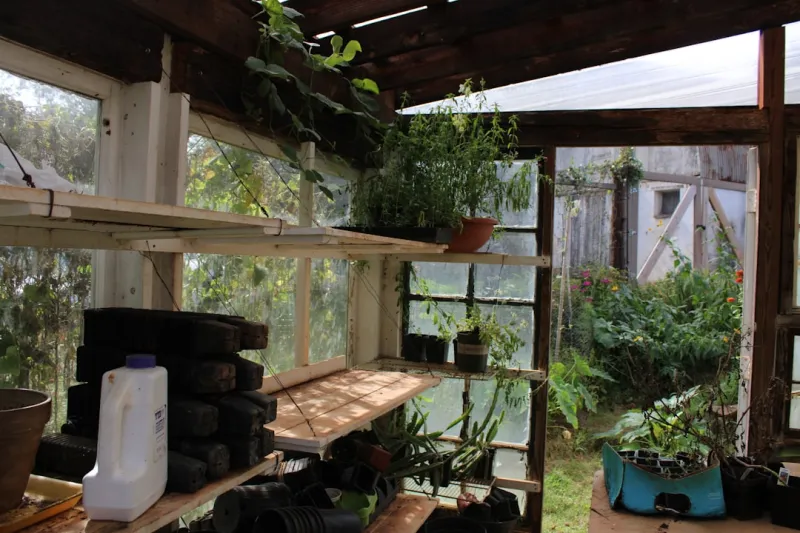
Creating an indoor vertical garden using repurposed pallets and drip irrigation is an enriching project that can transform any living space into a vibrant oasis of greenery. More than just a visually appealing addition, an indoor vertical garden brings a multitude of benefits. It purifies the air, adds humidity to dry indoor environments, and reduces stress levels. With today's increasing interest in sustainable living and urban gardening, this DIY project is perfect for both seasoned gardeners and novices alike.
This guide is tailored for beginners, making the process straightforward and enjoyable. Many aspiring gardeners may feel apprehensive about starting an indoor garden, particularly in limited spaces. However, by using repurposed pallets, you not only contribute to sustainability but also create a unique and personalized garden display. Additionally, incorporating a drip irrigation system will ensure your plants receive consistent moisture, minimizing the need for frequent watering.
Tools Needed
1. Drill with Drill Bits: Essential for creating holes in the pallets for drainage and setting up the drip irrigation system. 2. Saw (Hand Saw or Jigsaw): Needed to cut the pallet to your desired size and shape; if you want to modify it to fit your space. 3. Measuring Tape: For accurate measurements to ensure that your vertical garden will fit well in the designated space. 4. Level: To ensure that your vertical garden hangs straight, giving it a professional look and ensuring water flows correctly. 5. Screwdriver: Useful for securing parts of the irrigation system and assembling any additional supports needed for the vertical garden. 6. Paintbrush and Outdoor Sealant: Protect the pallet from moisture damage by applying sealant to extend its life. 7. Gardening Gloves: Protect your hands while working with soil and plants. 8. Bucket or Container: To collect excess soil or debris during the construction process.
Materials
1. Repurposed Wooden Pallet: 1–2 pallets depending on the desired height and width of your garden. 2. Landscape Fabric or Garden Cloth: 1 yard to line the inside of the pallet and retain soil. 3. Soil: Approximately 4–6 cubic feet of potting soil to fill the pallet cavities. 4. Plants: Select a mix of 6–10 indoor herbs or small plants, such as basil, mint, spider plants, or succulents. 5. Drip Irrigation Kit: A basic kit with tubing, emitters, and connectors available at garden centers or online. 6. Plastic Tubing: 10–15 feet of ¼ inch tubing as additional material for setting up a more customized irrigation system if needed. 7. Hooks or Wall Brackets: 2–4 brackets required to securely mount the pallet to the wall. 8. Organic Fertilizer: A small bag to promote healthy plant growth during the initial stages. 9. Water Container: A container to hold water for the drip irrigation system; size depends on your specific system needs. 10. Screws and Anchors: Suitable for securing the pallet if it’s particularly heavy or if you're hanging it on drywall or other less stable materials.
Introduction
Urban living has imposed physical limitations on gardens, but as human beings, we have an innate desire to connect with nature. The solution? Vertical gardening! This innovative approach not only saves space but also makes it a feasible option for anyone, regardless of their living situation. Developing a vertical garden can be deeply rewarding, allowing you to enjoy the beauty and flavors of lush greenery inside your home while also creating a healthy environment for your family.
Beyond aesthetics, vertical gardens boast significant practical benefits. They reduce indoor pollutants, produce oxygen, and can even improve your mental wellbeing by bringing the outdoors inside. An indoor vertical garden can also serve as a source of fresh herbs for culinary adventures, promoting a home-cooked meal lifestyle.
Embarking on this DIY project involves crafting a vertical structure from repurposed pallets, making it an eco-friendly initiative that feels good and looks good. Beginners will find the uncomplicated assembly and maintenance aspects of this project easy to handle, even if you're unfamiliar with gardening or DIY tasks. With careful planning and execution, you’ll be able to create a nourishing indoor green space that will flourish for years to come.
Steps to Create Your Indoor Vertical Garden
# ### Step 1: Prepare Your Pallet
Before beginning your vertical garden assembly, start with preparing the repurposed pallet. Ensure that it is clean and free of pests. Sand down any rough edges and potentially toxic chemicals commonly found on pallets. Consider using food-grade pallets if you want to grow edible plants. If the pallet has been previously painted, check to see if the paint is lead-free.
Tips: Pre-soaking or pressure washing the pallet can be useful. If you haven't worked with pallets before, inspect for structural integrity, looking out for any warped or broken slats.
# ### Step 2: Cut and Size
Once your pallet is clean and safe, decide if you want to modify it for better fit and display. Use your measuring tape to ensure you have the right dimensions for your space. You might want to cut the pallet to a more manageable size or to fit your planting scheme; this adds a personal touch!
How: Use your hand saw or jigsaw to cut the pallet to the desired size. Secure the pallet firmly on a stable surface while cutting and always wear safety goggles.
Tips: Use a level frequently to ensure adjustments remain straight.
# ### Step 3: Line the Back with Landscape Fabric
Before filling your pallet with soil, line the back and sides with landscape fabric or garden cloth. This material will help retain the soil while allowing excess water to escape, preventing rot.
How: Lay the landscape fabric inside the pallet, leaving an excess on the sides. Staple or nail it into place to ensure it stays secured.
Tips: Ensure the fabric is tightly fitted against the corners to avoid leakage of soil.
# ### Step 4: Secure the Pallet
Now that your pallet is lined and ready, it’s time to secure it to the wall as this is a key step for a vertical garden. Find a location that receives at least 6-8 hours of indirect sunlight. Remember that some plants may require more light.
How: Use wall brackets or heavy-duty screws to anchor the pallet to the wall. If it’s a heavy pallet, it may require further supports from studs within the wall.
Tips: Using wall anchors increases stability if you’re attaching to drywall.
# ### Step 5: Fill the Pallet with Soil
With the pallet now secured, it’s time to fill it with soil. Add a mixture of potting soil and organic fertilizer to provide a nutrient-rich environment for your plants.
How: Fill each section of the pallet with soil gently, ensuring there are no air gaps. Leave an inch at the top of the pallet to prevent soil loss.
Tips: Compress the soil lightly but not too harshly, as plants require a bit of aeration to thrive.
# ### Step 6: Choose and Plant Your Greenery
Choose the greenery that will thrive in your indoor garden environment. Consider plants like herbs, succulents, and small flowering plants.
How: Create a planting schedule based on each plant’s sun and water requirements. Plant tall ones at the top and shorter ones below when placing them in.
Tips: Leave generous spacing between plants to allow for growth over time.
# ### Step 7: Set Up Drip Irrigation
Implementing a drip irrigation system is vital for an efficient watering solution. Set the system around the plants, ensuring each plant receives adequate hydration.
How: Connect the drip irrigation hoses according to the instructions provided in your kit. Use emitters as needed for targeted areas in the garden.
Tips: Place the water container above the level of the pallet if using gravity feed systems, as this allows water to flow naturally through the tubing.
# ### Step 8: Test the System
Prior to planting, it's wise to conduct a test run of your irrigation system. This ensures that every plant is receiving enough water without overflow or dry spots.
How: Fill your water container and switch on the system. Watch the drippers for a few minutes, adjusting the emitters if needed to control water flow.
Tips: Inspect for leaks or blockages in your tubing during this trial.
# ### Step 9: Establish a Care Routine
Once your vertical garden is up and running, make a care schedule to monitor your plants and the irrigation system.
How: Check the moisture levels regularly by feeling the soil or using a moisture meter to ensure your plants are thriving.
Tips: Rotate the plants installed in the garden occasionally as needed, as some will grow quicker than others.
# ### Step 10: Enjoy and Adjust
Take time to enjoy the fruits of your labor. Monitor your vertical garden frequently. You may find some plants require more light or water than others, and adjustments will be necessary.
How: Keep a gardening journal to track your plants’ growth, any issues, and observations.
Tips: Stand back frequently to assess the overall look and health of the garden and take notes to inform future adjustments.
Troubleshooting Common Issues
1. Plants Wilting or Dying:
- Fix: Check the moisture levels; overwatering can lead to root rot while underwatering can dry them out.
- Fix: Ensure that the landscape fabric is properly secured to hold the soil. Re-check anchors if soil loss continues.
- Fix: Inspect the fittings and tubing connections for loose areas. Tighten if necessary or replace faulty components.
- Fix: Introduce natural pest deterrents like ladybugs or consider natural insecticidal soap.
- Fix: Rearrange the plants based on sunlight requirements, ensuring that all receive equal exposure.
Conclusion
Creating an indoor vertical garden using repurposed pallets and drip irrigation not only enhances your home but nurtures a deeper connection to nature. This project is a sustainable endeavor that reuses materials while providing a habitat for plants in your living space. Despite initial challenges, the rewards of watching your garden flourish are unmatched.
You can also explore variations such as adapting to seasonal changes or switching plant types to keep the garden relevant year-round. As your plants grow, remember to regularly check on their health and adjust the drip irrigation system as needed.
Ultimately, with the proper care and a little creativity, your vertical garden can be a dynamic and lasting feature of your home, making every day a little greener.