How to create a vertical garden using repurposed pallets and drip irrigation systems
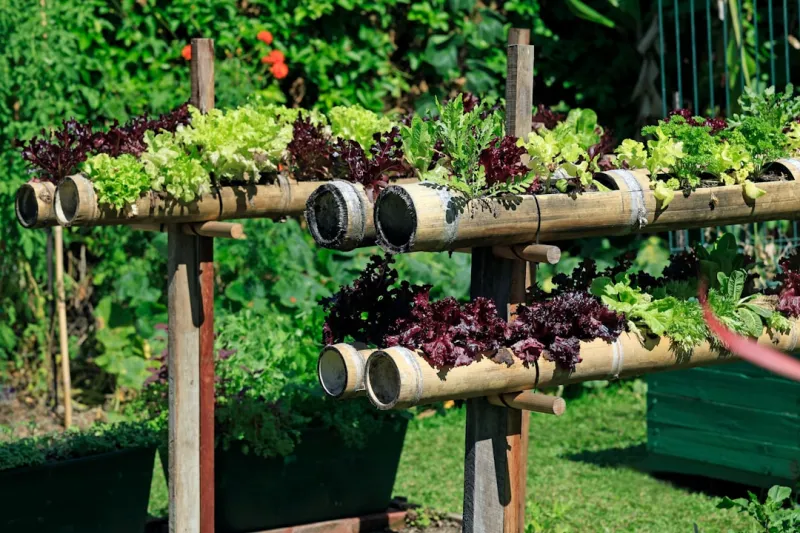
Creating a vertical garden is a rewarding project that offers a bountiful harvest of fresh vegetables, herbs, and flowers while saving space in your yard or balcony. Vertical gardens not only add aesthetic appeal to your living space but also contribute positively to the environment. Utilizing repurposed pallets for this project is an eco-friendly approach that promotes recycling while saving costs. Why use pallets? They are widely available, sturdy, and offer a rich texture that blends well with natural surroundings.
For beginners, this project is ideal as it requires minimal skills and tools. You’ll have the opportunity to learn about gardening, basic carpentry, and irrigation methods, including the relatively simple drip irrigation system. The benefits are countless: vertical gardens maximize space, enhance air circulation, support plant growth, and provide a personal touch to your home decor. Furthermore, engaging in this project can be a revitalizing experience, fostering your connection with nature while beautifying your living area.
In this comprehensive guide, we will walk you through every step needed to create your own vertical garden using repurposed pallets and a drip irrigation system. With clear instructions and helpful tips, you’ll gain the confidence needed to embark on this exciting and sustainable gardening project.
Tools Needed
- Power Drill: Essential for creating holes in the pallet for drainage and attaching the drip irrigation system. A drill with adjustable speeds will give you better control.
- Saw (Hand or Circular): To cut the pallets to the desired dimensions or to modify them for planting options. A circular saw can speed up the process, but a hand saw will suffice for small adjustments.
- Level: To ensure that the vertical garden is installed straight. A level will help prevent water pooling and ensure even growth.
- Stapler or Heavy-Duty Tacker: Used to secure the landscaping fabric to the back of the pallet, preventing potting soil from leaking out.
- Measuring Tape: For taking accurate measurements when cutting your pallets to size.
- Garden Gloves: To protect your hands while working with wood and soil. They will also keep your hands clean.
- Hose and Connectors: For connecting the drip irrigation system to a water source. A flexible hose will help maneuver the water where needed.
- Utility Knife: Useful for cutting the drip irrigation tubing and making any necessary adjustments while assembling the irrigation system.
Materials
- Wooden Pallet: 1-2 pallets, depending on your desired size.
- Landscaping Fabric: 1 yard; this will line the back of the pallet, allowing soil to stay in while letting water drain.
- Potting Soil: 2-3 bags (about 1.5 cubic feet each); necessary for filling the planting sections of the pallet.
- Plants: Choose 4-10 plants (depending on the size of your pallet) that thrive in vertical gardens, such as herbs, succulents, or flowering plants.
- Drip Irrigation Kit: A complete kit should include tubing, emitters, and connectors. Make sure it's rated for gardening use.
- Wood Sealer (Optional): A non-toxic wood sealer to protect your pallet from moisture if desired.
- Screws or Nails: 1-2 boxes of weather-resistant screws (1.5” - 3”) for assembling the pallet structure and securing the irrigation system.
- Plastic Planters or Seed Trays (Optional): If you want to use individual containers, ensure they are appropriate for vertical gardening.
- Fish Tank Air Pump (Optional): For enhancing the irrigation system's efficiency; it can help distribute water more efficiently.
- Hanging Hardware (Optional): If you plan to hang the vertical garden, use appropriate hardware such as mounting brackets or wall anchors.
Step 1: Choose Your Location
Choose a spot that gets ample sunlight and good drainage for your vertical garden. A south-facing wall or balcony that receives at least 6 hours of direct sunlight a day is ideal. Check the area throughout the day to ensure it won’t be shaded by nearby trees or buildings. Keep in mind your gardening goals – if you’re growing herbs or more delicate plants, a location with gentle light might be best. Avoid low-lying areas that collect water and can lead to root rot.
Tip: If you have limited options for sunlight, consider using grow lights for indoor vertical gardens.
Step 2: Prepare the Pallet
Before you start your vertical garden, your pallet must be clean and safe. Remove any loose wood or nails, and inspect it for signs of rot or chemicals. If you're using an older pallet, check if it's stamped with "HT" (heat-treated) to ensure it’s safe for planting. If needed, light sanding and a coat of non-toxic sealer will protect the wood. Prepare the pallet by laying it flat and ensure it’s stable; you may need to screw or nail any wobbly parts for extra support.
Tip: If your pallet has been painted or stained, be cautious as some paint may be toxic; always opt for food-safe options.
Step 3: Attach Landscaping Fabric
Cut the landscaping fabric to size, ensuring it covers the back and side of your pallet. Secure it using a heavy-duty stapler, driving staples every few inches around the edges and across the fabric for stability. This fabric will prevent soil from escaping but allow water to drain freely. Make sure to double-check that the fabric is taut, as sagging will lead to soil loss later on.
Safety Tip: Be careful of sharp edges on the pallet while handling. Wear gloves for protection.
Step 4: Fill with Soil
With your pallet prepared and lined, it's time to fill it with potting soil. Start filling the bottom section and gradually work your way up. The soil’s compactness is crucial; make sure it’s dense enough to hold the plants but not so compact that it restricts drainage. Leave some space at the top for your plants and to ensure the soil doesn’t overflow during watering.
Tip: Add in some slow-release fertilizer to the soil to give your plants a nutritional boost as they grow.
Step 5: Select and Plant Your Vegetables or Flowers
When selecting plants for your vertical garden, opt for those that grow well together and have similar water and sunlight requirements. Herbs like basil, parsley, and mint are excellent choices, as are colorful flowers or succulents for visual interest. Dig small holes in the soil and gently place each plant, packing the soil around their roots. Space them based on their mature size.
Tip: Consider starting from seedlings if you’re a beginner; they are easier to handle and establish quicker than seeds.
Step 6: Set Up the Drip Irrigation System
Your plants’ wellbeing relies heavily on a reliable watering system. Following the directions in your drip irrigation kit, set up the main tube so that it runs along the top of your pallet, with emitters positioned near each plant. The emitters should be spaced according to the recommendations for your types of plants. Use UV-resistant connectors that ensure a secure fit.
Tip: Do a test run of the irrigation system before securing everything, checking for any leaks or misaligned emitters.
Step 7: Mount or Position the Pallet
Once your pallet is complete with plants and irrigation, it’s time to mount or position it against a wall or fence to give it that 'vertical' look. If you're hanging it, ensure that you use strong, ANSI-rated wall anchors. If you're leaning it against a wall, consider stabilizing it with a brace to avoid tipping.
Safety Tip: Use at least two people to help lift and position your pallet for safety reasons, especially if it's large or heavy.
Step 8: Monitor and Adjust Your Watering Needs
After setting everything up, establish a watering schedule while monitoring the moisture in your plants. Drip irrigation should be checked for functionality; adjust the emitters as needed based on each plant's specific needs. Too much water will drown your plants, while too little can stunt their growth.
Tip: Water in the morning to minimize evaporation and encourage healthy growth.
Troubleshooting Common Issues
Even with the best intentions, problems can arise. Here are some common issues with their fixes:
- Plants Wilting: This could be a sign of insufficient water. Check emitters and tubing for blockages and ensure your drip system is set to run long enough to give plants adequate water.
- Drowning Plants: If your plants seem waterlogged, they may be receiving too much water. Reduce the drip durations or check for any leaks leading to overwatering.
- Weeds: Despite using landscaping fabric, some weeds can still appear. Pull them out by hand or consider applying a non-toxic herbicidal option.
- Pallet Rotting: If it appears that your pallet is rotting, it may not be weather-resistant. Regularly inspect the wood, and if significant rot occurs, consider replacing the pallet.
- Plant Disease: If plants show signs of pests or disease, isolate affected plants and apply organic pesticides or consult local gardening resources for advice on organic disease control.
Conclusion
In summary, creating a vertical garden using repurposed pallets is an engaging and rewarding project that raises awareness about sustainability while providing fresh produce right at your doorstep. The combination of attractive visuals, efficient space usage, and the convenience of drip irrigation makes it a perfect project for both novice and seasoned gardeners.
Be bold and consider variations such as painting your pallet for an artistic touch or using different sized pallets for varied heights. Consistent maintenance, including monitoring water levels, pruning plants, and checking for pests, will ensure your vertical garden thrives.
Whether you grow herbs for culinary use or glorious flowers for a vibrant backyard, your vertical garden will offer joy and satisfaction for years to come.