How to create a sustainable vertical garden using repurposed pallet wood and recycled containers
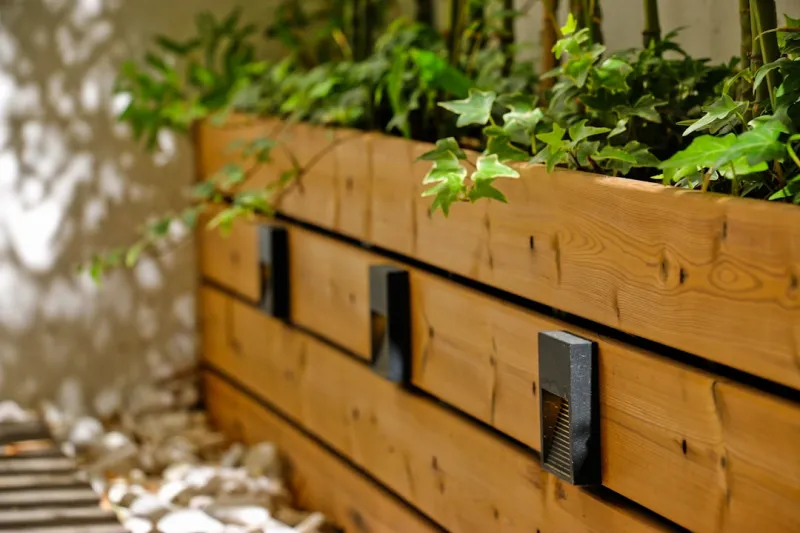
Creating a vertical garden using repurposed pallet wood and recycled containers is a sustainable and practical way to enhance your living space while contributing to environmental preservation. This DIY project isn't just about aesthetics; it's an opportunity to cultivate your plants, herbs, and vegetables in a limited space, allowing urban dwellers to grow their greens without the need for sprawling gardens. As we become increasingly aware of our environmental impact, finding creative ways to reuse materials plays a pivotal role in the movement towards sustainability.
Why This Project Matters: Using pallet wood and recycled containers promotes a sustainable lifestyle by reducing waste, minimizing reliance on store-bought garden setups, and fostering an appreciation for local ecosystems. Vertical gardens save space and improve air quality by introducing more greenery in urban settings. Additionally, growing your herbs and vegetables can lead to fresher, tastier produce right at your fingertips. This project is suitable for beginners, requiring minimal specialized skills and a manageable time commitment—making it perfect for anyone looking to dip their toes into gardening or DIY.
Benefits of Vertical Gardens:
- Space Efficiency: They allow you to maximize your available space, making them ideal for balconies, patios, and small yards.
- Aesthetic Appeal: A vertical garden adds a touch of creativity and vibrancy to your home or outdoor setting.
- Fresh Produce: Having access to home-grown herbs and vegetables is not only gratifying but encourages a healthier diet.
- Environmental Impact: Reducing waste through repurposing materials fosters sustainability and supports natural ecosystems.
Tools Needed
1. Hammer: Essential for nailing wood pieces together securely. 2. Saw: A hand saw or electric saw will help cut pallet wood to the desired sizes. 3. Drill: Useful for creating drainage holes in containers and assembling parts with screws. 4. Screwdriver: Required if you're using screws instead of nails for assembly. 5. Measuring Tape: Accurate measurements are crucial for constructing a vertical garden that fits your space. 6. Sandpaper: To smooth rough edges on wood and prevent injuries from splinters. 7. Gloves: Protect your hands while handling wood and sharp tools. 8. Safety Goggles: Ensure the safety of your eyes when using saws or drills.
Materials
1. Repurposed Pallet Wood: Approximately 3-4 pallets, depending on the size of your garden. 2. Recycled Containers: 5-10 containers (e.g., old pots, buckets, or plastic bottles) for planting, ensure they have a drainage system. 3. Outdoor Paint or Wood Sealant: 1 quart, to protect wood from the elements. 4. Landscape Fabric: 1 roll (around 3 feet x 10 feet) to line the container pockets. 5. Potting Soil: 2-3 bags (depending on the number of containers used) for filling your recycled pots. 6. Seeds or Starter Plants: Your choice of herbs, flowers, or vegetables. 7. Nails or Screws: 1 box, to assemble the vertical garden. 8. Wire or Rope: 1 roll, to support plants that may need extra sturdiness. 9. Bungee Cords or Clips: Optional, for securing poorly fitted containers. 10. Watering Can or Hose: For daily plant care.
Step-by-Step Instructions
Step 1: Selecting and Preparing Pallets
Begin by sourcing your pallets. Look for sturdy, unbroken ones, preferably made of untreated wood. You can often find pallets for free at local businesses or online marketplaces.
- What: Choose pallets designed for outdoor use; they should be free from chemicals.
- How: Inspect your pallets and remove any nails or sharp edges using a hammer and pry bar.
- Tip: If you don't have access to pallets, consider asking at hardware stores or lumber yards for damaged ones they may want to give away.
- Safety: Remember to wear gloves to avoid punctures.
Step 2: Exact Measurements
With your pallets in hand, plan your vertical garden’s dimensions. If you want a taller structure, you might stack them on top of each other.- What: Measure how wide and tall you want your vertical garden.
- How: Use a measuring tape to mark each of your pallets and trim them to size with a saw.
- Tip: Create specific sections for different plants to help with organization.
- Safety: Make sure to wear goggles when using the saw to protect your eyes.
Step 3: Assembly of the Vertical Frame
This step is critical. Your garden will need a sturdy frame to support the weight of the soil, plants, and containers.- What: Use the pallets as the main frame.
- How: Begin by laying one pallet flat on the surface; then, use nails or screws to connect another pallet upright behind it for support.
- Tip: To create a tiered effect, stagger the pallets like steps.
- Safety: Check that everything is tightly secured before moving on.
Step 4: Create Container Spaces
Now it's time to prepare your recycled containers for planting.- What: Ensure containers can drain properly by drilling holes at the bottom.
- How: Depending on the type you have, use a drill to make several holes in each container.
- Tip: Line the inside of the containers with landscape fabric to keep soil from spilling out and maintain moisture.
- Safety: Be careful while drilling; wear gloves and goggles to protect against bits of plastic or wood flying.
Step 5: Securing the Containers
Begin placing your containers within the structure of the pallets.- What: Arrange the containers according to sunlight requirements and aesthetic preferences.
- How: Attach the containers securely to your pallet using screws or by placing them in a supportive structure made from additional wood.
- Tip: Group plants with similar watering and sunlight needs together.
- Safety: Avoid overloading any section of the vertical garden.
Step 6: Filling with Soil
It’s time to fill your newly formed containers with soil.- What: Use potting soil to create the optimal growing environment for your plants.
- How: Fill each container leaving a small gap from the top (to prevent overflow during watering).
- Tip: Consider mixing in organic compost to enrich the soil's nutrients.
- Safety: If handling large bags of soil, bend your knees and lift with your legs to prevent injury.
Step 7: Planting Seeds or Starter Plants
Take this opportunity to get your hands in the dirt and see the fruits of your labor.- What: Decide whether to plant seeds or small plants.
- How: Create small holes in the soil for seeds or transplant starter plants carefully to avoid root damage.
- Tip: Follow planting guidelines on seed packets for correct depth and spacing.
- Safety: Keep soil away from your face to avoid allergens and irritants.
Step 8: Watering and Light Considerations
After planting, the garden needs hydration and sunlight.- What: Each plant will have unique water and sunlight needs.
- How: Use a watering can or hose to water your plants thoroughly without flooding them.
- Tip: It’s a good idea to check the moisture level of the soil regularly.
- Safety: Be careful while watering to avoid slippery surfaces.
Step 9: Maintenance
Your vertical garden requires ongoing care to thrive.- What: Monitor plant health, weeds, and pests.
- How: Water your garden as needed and remove any dead or diseased plants promptly.
- Tip: Perform regular pruning to stimulate growth and maintain aesthetics.
- Safety: If you're using any chemicals for pests, follow all safety guidelines on the packaging.
Step 10: Seasonal Adjustments
As seasons change, plants will have different requirements.- What: Adapt your vertical garden according to seasonal changes.
- How: For winter, consider relocating indoors or adding protective covers to keep your plants safe.
- Tip: Research seasonal plants that thrive in your region for year-round gardening.
- Safety: Wear gloves when dealing with any protective coverings as they can be sharp.
Troubleshooting Common Issues
Even with the best planning, problems can arise. Here are some common issues and their fixes:1. Poor Drainage: Waterlogged soil can be detrimental to plant health.
- Fix: Ensure all containers have adequate drainage holes, and add gravel or rocks at the bottom for extra drainage.
- Fix: Regularly inspect your plants and use organic pesticides or natural deterrents, like neem oil, to combat pests.
- Fix: Observe the sunlight patterns around your vertical garden and rotate pots if needed to ensure even light distribution.
- Fix: Add organic fertilizer or compost to provide essential nutrients for optimal growth.
- Fix: Tighten screws or nails and consider adding more structural support if needed.
Conclusion
Creating a sustainable vertical garden from repurposed pallet wood and recycled containers is an engaging project that not only beautifies your space but also contributes positively to your environment. Whether you're a novice or a seasoned gardener, transforming discarded materials into something functional and beautiful is a successful endeavor.Feel free to experiment with different arrangements, adjust the size of your garden according to your space, and incorporate vertical planters made from other discarded materials for a unique touch. Regular maintenance and seasonal adjustments will keep your garden thriving through the months.
Remember, there is no single 'right' way to create a vertical garden. With a little creativity and care, you can make it your own, providing not just a habitat for plants but a peaceful retreat for yourself and your family.