How to create a vertical garden using repurposed pallet wood and recycled plastic containers
Introduction
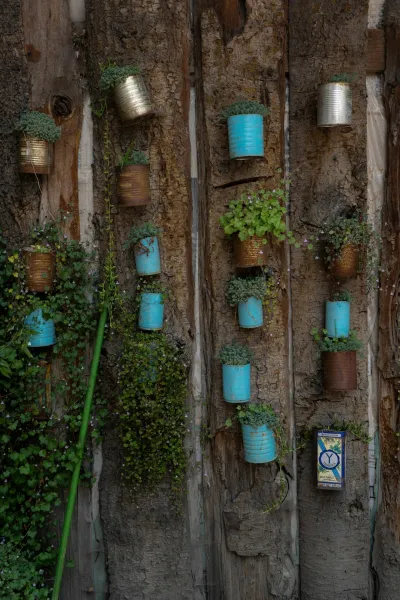
In an increasingly urbanized world, space for gardening can often feel limited. No longer should you resign yourself to a small balcony or constrained patio when the possibility of a lush garden is within reach. Creating a vertical garden using repurposed pallet wood and recycled plastic containers is an innovative and sustainable solution to maximize your gardening space while minimizing waste.
This DIY project not only brings life to your living area but also enables you to grow your own herbs, vegetables, and flowers right at eye level. Vertical gardens also help to improve air quality and enhance the aesthetics of your environment, making them both practical and visually appealing. Plus, there's a certain satisfaction that comes from creating something beautiful and functional using materials that have been given a second life.
Whether you’re a complete novice or a gardening enthusiast looking for new ways to cultivate plants, this project is suitable for all skill levels. It’s a perfect way to learn about plant care, recycling, and basic construction skills. By the end of this guide, you'll not only have a vertical garden to be proud of but also the confidence to embark on more DIY projects in the future. So roll up your sleeves, unleash your creativity, and let’s get started on making your own vertical garden!
Tools Needed
1. Cordless Drill: Essential for driving screws and making pilot holes in the pallet wood and plastic containers. This versatile tool speeds up assembly and allows for a cleaner finish.
2. Screwdriver: A manual screwdriver will be useful for any fine-tuning adjustments during assembly, particularly in tight spots where the drill may not fit easily.
3. Hammer: Needed to gently tap in nails or adjust pallet boards for better alignment. A hammer comes in handy when securing fixtures to the wood.
4. Wood Saw: A hand saw or power saw is crucial for cutting pallets to your desired dimensions. This allows for greater flexibility in designing your vertical garden.
5. Sandpaper/Power Sander: To smooth the edges of cut wood, reducing splinters and providing a clean finish. This will enhance the overall look and increase safety during assembly.
6. Level: Ensures your vertical garden is straight and well-aligned. A level is important to prevent any discrepancies that could cause the structure to topple over.
7. Paintbrush and Outdoor Paint: For sealing the wood to protect it from moisture. Outdoor paint enhances the durability of your pallet and gives a fresh, vibrant look.
8. Measuring Tape: Essential for accurately measuring space and adjusting the dimensions of the pallets and containers to fit your vertical garden design.
Materials
1. Wood Pallets (2-3): Sourced from local businesses or stores. Ensure they are untreated to avoid chemicals leaching into the soil.
2. Recycled Plastic Containers (5-10): Various sizes based on the plants you wish to grow. Aim for containers with drainage holes.
3. Outdoor Paint (1 quart): Choose a non-toxic, weather-resistant paint for wood protection and aesthetics.
4. Wood Screws (1 box): 1.5-2 inch screws will be sufficient for securing pallets and containers.
5. Nails (1 box): Short nails for additional support on the pallets can add extra strength to the structure.
6. Landscape Fabric (1 roll): Used to line the containers and help retain soil while allowing for drainage.
7. Soil (2-3 bags): Opt for potting soil or soil specific for container gardening which improves drainage and nutrient retention.
8. Plants/Seeds (variety): Select herbs, small vegetables, or flowers that suit your climate and preference, about 5-10 depending on your container sizes.
9. Plastic sheeting (optional): For lining the back of the pallets if your vertical garden is in a place where moisture could cause damage.
10. Gloves: To protect your hands while handling pallets, soil, and plants.
Steps to Create Your Vertical Garden
Step 1: Gather Your Materials
What: Before you begin the construction of your vertical garden, collect all the necessary materials and tools. This will streamline the building process and reduce the time spent looking for items mid-project.
How: Take a trip to your local hardware store for any new supplies you need, or scout for suitable free pallets and containers in your locality. A good tip is to search online community groups or marketplaces for free pallets.
Tips: Ensure that the pallets you select are in good condition, without excessive rot or damage. Inspect the plastic containers for holes; if they don’t have drainage, you can easily make your own using a drill.
Safety: When handling pallets, check for any protruding nails or splinters and wear gloves to protect your hands.
Step 2: Prepare Your Work Area
What: Set up a clean, spacious work area where you can assemble your vertical garden peacefully.
How: Find a flat surface like a garage floor or workbench where you can have ample room to move. Lay down a tarp or drop cloth to catch any debris or spills.
Tips: Keep your work area organized to enhance efficiency. Designate sections for tools, materials, and completed components.
Safety: Make sure the area is well-lit and free from hazards like tripping hazards, ensuring you have adequate ventilation if you’re painting or sanding.
Step 3: Disassemble and Prepare the Pallets
What: If you have multiple pallets, it might be necessary to disassemble them to create the right sizes for your vertical garden.
How: Use the crowbar and hammer to carefully remove the slats of the pallets. If you're cutting the pallets, measure and mark out your sections first, then cut using a saw.
Tips: Reserve any extra slats for additional support or future projects. It’s helpful to have spare wood on hand.
Safety: Wear safety goggles while cutting or prying pallets apart. Safety gloves are a must to protect against any sharp edges.
Step 4: Create the Frame
What: With your prepared pallet wood, it’s time to build the frame for your vertical garden.
How: Use the level to ensure the two vertical main boards are even, securing them with screws at the desired height. Attach horizontal boards at intervals to create shelves for the containers.
Tips: Consider making the frame tall enough for a variety of plants, but ensure that it’s still stable and won’t tip over. Anchor the frame to a wall for additional strength if necessary.
Safety: Ensure that the screws are driven in securely, and watch your fingers while using the drill or hammer.
Step 5: Paint and Seal the Wood
What: Once the frame is constructed, it’s essential to protect the wood.
How: Using a paintbrush, apply an even coat of outdoor paint to all exposed wood surfaces. This will protect the wood from moisture and increase its lifespan.
Tips: Allow the paint to dry thoroughly before proceeding. Two coats may be beneficial for added protection.
Safety: Work in a well-ventilated area and consider wearing a mask and gloves while painting to avoid inhaling fumes or getting paint on your skin.
Step 6: Attach Containers to the Pallet Structure
What: Time to add the recycled plastic containers which will hold your plants.
How: Use screws or nails to fasten the containers to the frame, ensuring they are secure and at an angle that promotes drainage.
Tips: Arrange the containers in a staggered pattern to maximize sunlight exposure for all plants. Test the stability of each container once installed.
Safety: Be cautious with the drill when securing the containers; ensure there are no hands or tools underneath the work area.
Step 7: Prepare and Fill the Containers
What: It’s time to prepare your planting containers for your new plants.
How: Line the inside of the plastic containers with landscape fabric to retain soil. Then, fill the containers with quality potting soil, leaving space at the top for planting.
Tips: Make sure your soil is moist, while not overly saturated, to foster healthy root growth.
Safety: Use gloves while handling soil to prevent irritation, and avoid lifting heavy bags of soil improperly to prevent straining your back.
Step 8: Plant Your Selection
What: Now comes the fun part; it’s time to introduce your plants into their new home!
How: Carefully plant seeds or seedlings in the prepared soil according to the depth guidelines provided on the seed packets or plant tags.
Tips: Cluster similar plants together to allow for efficient watering and care. Make sure taller plants are positioned at the top to prevent overshadowing shorter ones.
Safety: Be gentle when handling seedlings to avoid damaging delicate roots.
Step 9: Water and Care
What: After planting, give your new vertical garden the care it needs to thrive.
How: Water the containers thoroughly, ensuring that excess water can drain out. Use a spray bottle or garden sprayer for easy watering at elevation.
Tips: Regularly check moisture levels in each container. A moisture meter can be an invaluable tool for this.
Safety: If using water at a significant height, be cautious not to overreach, and avoid overloading the top containers to prevent accidents.
Step 10: Enjoy and Maintain Your Vertical Garden
What: Your vertical garden construction is complete, but the journey doesn’t end here.
How: Monitor your plants regularly for growth, pests, and diseases. Water regularly based on their requirements and provide necessary nutrients through organic fertilizers.
Tips: Keep a journal of your plants’ growth and care routine. With outdoor conditions changing, you might find your plants need different care in different seasons.
Safety: Always wear gloves when handling plants to minimize irritation or allergies from certain species.
Troubleshooting
Even the best-laid gardening plans can run into issues! Below are some common challenges and how to address them:
1. Containers toppling over: If your vertical garden is unstable, consider anchoring it securely to a wall. Additionally, ensure that the weight is evenly distributed among the shelves.
2. Plants wilting or dying: This could be a sign of incorrect watering. Check both the soil moisture and drainage in your containers to ensure proper care. Adjust frequency based on the plant type.
3. Pests or diseases: Inspect your plants regularly for signs of pests. If found, use an organic pesticide or neem oil. Maintaining healthy soil and plants will also naturally deter pests.
4. Insufficient sunlight: If some plants are not thriving while others are, consider repositioning the vertical garden or rotating the containers for optimal sunlight exposure.
5. Soil erosion from containers: Ensure the landscape fabric remains in place as you water. If soil continues to wash away, reinforce the fabric or consider adding a thin layer of stones before the soil.
Conclusion
Creating a vertical garden with repurposed pallet wood and recycled plastic containers transcends beyond just an aesthetic addition to your home; it serves as an eco-friendly project that contributes positively to the environment. You’ve successfully created a thriving garden that showcases your personal style and dedication to sustainability.
Remember, this guide is just the beginning! Feel free to customize your vertical garden with decorative enhancements, or experiment with different plant combinations. Maintain your garden by checking watering needs and removing weeds to keep it flourishing.
With this newfound skill, you can refresh your garden throughout the seasons. Share your project with friends and inspire them to create their eco-friendly garden too!