How to create an eco-friendly vertical garden using repurposed pallets and drip irrigation system
Intro
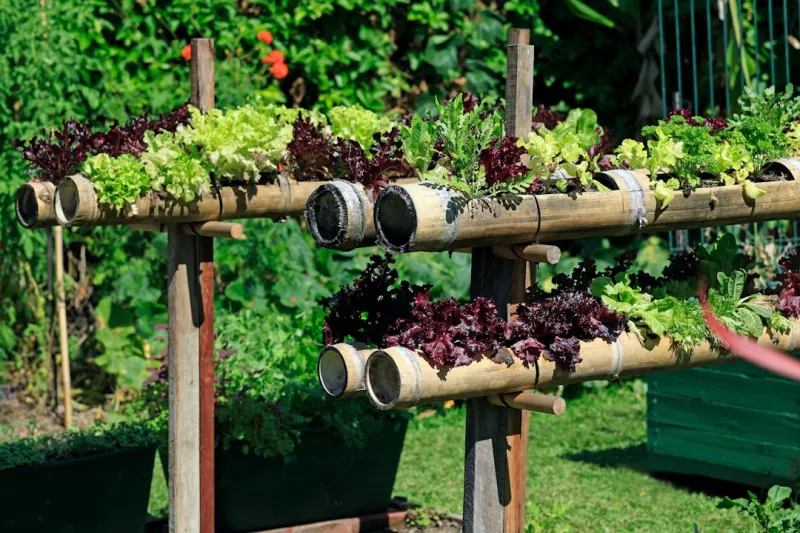
In a world increasingly focused on sustainability, creating your own eco-friendly vertical garden offers a unique blend of aesthetics, functionality, and environmental responsibility. This DIY project not only utilizes repurposed pallets, which may otherwise end up in landfills, but also promotes your efforts to grow your own food or create a green oasis right on your wall. Whether you live in an urban apartment or have limited outdoor space, a vertical garden maximizes your area while minimizing your carbon footprint.
The benefits of creating a vertical garden extend beyond just saving space. First and foremost, vertical gardens help purify the air, reduce noise pollution, and provide insulation to your home. They can also improve mental well-being, offering a calming green space to reduce stress. Meanwhile, integrating a drip irrigation system into your design not only conserves water but also ensures your plants receive a consistent supply without the hassle of frequent watering. With the right tools and materials, this eco-friendly gardening project is a fantastic opportunity for anyone interested in home gardening and sustainable living.
Skill Level
This project is suitable for beginners with basic crafting skills and a passion for gardening. While the concept may sound complicated, breaking it down step-by-step makes it accessible and enjoyable. Don't be intimidated—this guide will lead you through every aspect, making the planting process simple and straightforward.
Tools Needed
- Drill and Drill Bits: Essential for creating holes in the pallets, allowing water drainage and for securing the planter to the wall.
- Screwdriver: Required for securing screws and ensuring structural integrity of the pallet garden.
- Saw: A hand saw or jigsaw will cut the pallet if adjustments are needed (e.g., resizing).
- Measuring Tape: Necessary for ensuring accurate dimensions and spacing during assembly.
- Level: To ensure that your vertical garden installation is straight, making it aesthetically pleasing and functional.
- Garden Gloves: Protect your hands while handling pallets, soil, and plants.
- Plumb Line: Optional, but it can help with alignment and leveling your vertical garden.
- Pliers: Handy for gripping and twisting wires or securing irrigation tubing when necessary.
Materials
- Wood Pallet (1-3): You'll need at least one pallet; however, you can use multiple pallets depending on the desired size of your vertical garden.
- Landscape Fabric (1 Roll): To line the pallet and hold soil in while allowing drainage.
- Potting Soil (2-3 Bags): Essential for providing a nutrient-rich environment for your plants.
- Plants (Variety): Choose about 10-12 plants based on your preferences (herbs, flowers, or vegetables).
- Drip Irrigation Kit (1): This typically includes tubing, connectors, and emitters for efficient watering.
- Screws and Wall Anchors (1 Pack): To securely attach the pallet to your wall.
- Wood Sealant or Paint (Optional): If you want to beautify the pallet and add protection against the elements.
- Plastic Sheeting (Optional): For additional water protection if your pallet will be directly against a wall.
- Wire (Optional): For securing plants or any additional design elements (like hanging lights).
- Plastic Plant Pots (2-4): For plants that may need additional space or moisture control.
Step-by-Step Guide
### Step 1: Select Your Location
What: Before you dive into building your vertical garden, you need to choose the right spot.
How: Look for a wall that gets partial to full sunlight, depending on the plants you want to grow. South-facing walls usually provide the best sunlight. Ensure that the area has easy access to a water source for the drip irrigation system.
Tips: Check the area for a place to secure your pallet (like a sturdy wall) and consider how many plants you want to include. Sketch your layout for better visualization.
Safety: Make sure the selected wall is strong enough to support the weight of the soil, plants, and water.
### Step 2: Prepare the Pallet
What: If you’re using a used pallet, it’s crucial to prepare it properly.
How: Start by examining the pallet for any loose boards or nails. If necessary, use a screwdriver or pliers to remove them. Sand down sharp edges to prevent injuries and treat the wood with a sealant or paint for protection.
Tips: Opt for heat-treated pallets, which are safer and less likely to harbor harmful chemicals.
Safety: Wear gloves during this process to protect your hands from splinters and sharp nails.
### Step 3: Line the Pallet
What: Adding a barrier to the pallet is crucial for retaining soil while allowing excess water to drain.
How: Cut a piece of landscape fabric to fit the back and sides of the pallet. Use a staple gun to secure the fabric in place. Make sure that the fabric overlaps at the bottom to prevent soil from escaping.
Tips: Allow some room around the edges for drainage. It’s essential to check that the fabric is taut but not overly stretched.
Safety: Be cautious with the staple gun to avoid injury.
### Step 4: Fill the Pallet with Soil
What: Now it’s time to add nutrient-rich potting soil to nourish your plants.
How: Position the pallet upright and start filling it with potting soil from the top section down to the bottom. Pack it down gently to avoid air pockets, which can harm plant roots.
Tips: It's best to keep the soil moist as you fill it, making it easier to pack and manage.
Safety: Lift carefully, as the filled pallet can become heavy. Consider wearing a back support if lifting is strenuous.
### Step 5: Choose Your Plants
What: Selecting plants is vital for a successful vertical garden.
How: Choose a mix of trailing plants (like strawberries or herbs such as basil), colorful flowers (like petunias), or compact vegetables (like lettuce). Keep in mind the sunlight requirements of each type to ensure they thrive together.
Tips: Group plants with similar water and light needs for easier maintenance.
Safety: Be cautious of any plants that may irritate skin allergies; wear gloves if you’re uncertain.
### Step 6: Install the Drip Irrigation System
What: Efficient watering is critical for a healthy vertical garden.
How: Lay out your drip irrigation system according to the manufacturer’s instructions. Connect the main line to your water source, then run tubing to each section of the pallet where plants are located.
Tips: Position emitters directly among the plants to provide adequate moisture without oversaturating.
Safety: Ensure that all connections are secure to prevent accidental water leakage.
### Step 7: Secure the Pallet to the Wall
What: Once your pallet is filled with plants and irrigation is set up, it’s essential to secure it.
How: Use a level to ensure the pallet is straight, and mark the wall where screws will go. Drill holes into the wall and insert wall anchors if necessary. Use screws to attach the pallet securely.
Tips: For added stability, consider attaching brackets to the bottom of the pallet or securing it with wires if it leans.
Safety: Always wear safety goggles when drilling into walls.
### Step 8: Monitor and Maintain
What: After your vertical garden is secured, continuous care is vital for its longevity.
How: Regularly check the soil moisture and plant health. Adjust the drip irrigation flow if plants appear to be over or under-watered. Occasionally, prune plants to ensure air circulation and healthy growth.
Tips: Keep a gardening journal to track plant growth, changes, and any issues that arise.
Safety: Watch for any signs of pests or diseases and treat them promptly to prevent spreading.
### Step 9: Troubleshooting
What: No garden setup is perfect, and addressing common issues can help ensure success.
How: Monitor the following potential issues:
- Watering problems: If plants appear wilted, check the drip irrigation system for clogs. Adjust the flow or clean the emitters.
- Soil erosion: If soil is visibly escaping, ensure that the landscape fabric is secure. You might need to add more soil to fill in gaps.
- Plant overcrowding: If plants are competing for space, consider rearranging or relocating some to give others more room.
- Pests: Inspect regularly for any signs of pests. Use organic pest control methods to minimize harm to your plants.
- Diseases: If leaves appear strange or discolored, it may indicate a fungal infection or decay. Remove affected leaves immediately, and consider treatment if problems persist.
Troubleshooting
If you encounter any issues while setting up or maintaining your vertical garden, here's how to manage them:
- Soil Drainage Problems: If water pools at the bottom of the pallet, you might have packed the soil too tightly. Loosening the soil can improve drainage.
- Plant Growth Issues: Should your plants not seem to thrive, check their light and water conditions. You may have placed them in too much shade or overwatered them.
- Pests: Inspect for common garden pests like aphids or spider mites. Use a mixture of soapy water to spray on affected plants or introduce beneficial insects like ladybugs.
- Fungal Diseases: Yellowing or browning leaves can indicate fungal infections. Improve air circulation by pruning overcrowded areas.
- Drip Irrigation Malfunctions: If water isn’t reaching all the plants, check for kinks in the tubing, clogs in the emitters, or ensure that the supply line is connected.
Conclusion
Creating an eco-friendly vertical garden with repurposed pallets and a drip irrigation system is not just a fun DIY project; it is a sustainable approach that enhances your outdoor or indoor space. With planning, proper execution, and ongoing care, you’ll have a beautiful, thriving garden that contributes positively to your environment.
Think about all the variations you can explore—like different plant combinations or even painting your pallet with non-toxic finishes to match your style. The maintenance involves periodic checks and no heavy lifting, making it an enjoyable hobby for years to come.
This project not only reduces waste by utilizing repurposed materials but offers you the chance to connect with nature and enjoy the fruits (or veggies) of your labor. Happy gardening!