How to create a vertical garden using reclaimed pallets and hydroponic systems
Introduction
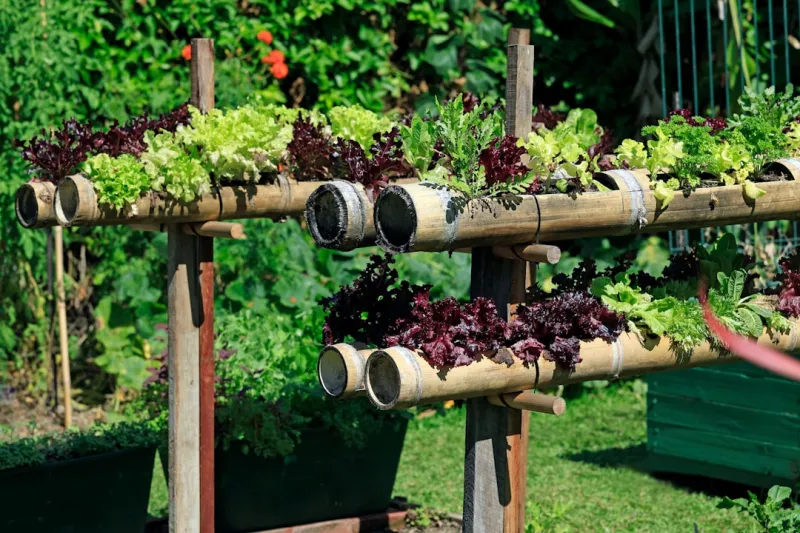
In recent years, urban gardening has surged in popularity, and for good reason. With limited space and resources, many aspiring gardeners are finding innovative ways to grow their own food. Creating a vertical garden using reclaimed pallets and hydroponic systems is not only an excellent way to maximize space but also an eco-friendly project that repurposes materials, reducing waste and promoting sustainability. This DIY guide will walk you through the process step by step, helping you create a thriving garden filled with fresh herbs, vegetables, and flowers right in your backyard or patio.
The transformative power of vertical gardening lies in its ability to enhance aesthetics and functionality. Reclaimed pallets offer a sturdy and rustic structure for a dynamic vertical garden, while hydroponic systems efficiently deliver nutrients to plants without the need for traditional soil. This combination allows for fast growth and easy maintenance.
This project is suitable for beginners, as it involves straightforward techniques and accessible materials. You don’t need to be a gardening expert to succeed; all you need is patience, creativity, and a willingness to learn. Vertical gardens can thrive in sunny spots, and with hydroponics, many plants can flourish all year round. With so many benefits, including improved air quality, aesthetic appeal, and fresh produce at your fingertips, there has never been a better time to embark on your vertical gardening journey!
---
Tools Needed
1. Saw (Hand or Power)
- You'll need a saw to cut the pallet to the desired size, ensuring that it fits your space and needs.
- To avoid splinters and to prep the wood, smooth down rough edges with sandpaper or a power sander.
- Essential for making holes for the hydroponic system and securing any additional structures like planting pockets.
- Used to secure parts of the pallet or hardware that may need tightening.
- Ideal for fastening landscaping fabric to the pallet, helping retain water and soil while allowing drainage.
- Ensures accurate measurements when cutting and assembling your vertical garden.
- A level is vital for checking the evenness of your construct, ensuring your garden stays upright and looks professional.
- Always wear protective gear when crafting and handling materials to ensure safety.
Materials
1. Reclaimed Pallet (1-2)
- Sourced from local stores or yards, usually free or inexpensive.
- Keeps soil in while allowing drainage, assisting with any hydroponic medium you might use.
- Includes nutrient solutions, water pumps, and tubing. Look for a kit suitable for vertical setups.
- Choose between traditional potting mix or hydroponic media like clay pellets.
- For creating the water delivery system in your vertical garden.
- Specifically designed for hydroponics, providing essential nutrients to your plants.
- Used for securing plants to the pallet during growth or for additional support.
- Choose easy-to-grow hydroponic-friendly plants like herbs (basil, mint), leafy greens (lettuce, spinach), or strawberries.
- Optional for additional planting space or to enhance aesthetics.
- For the hydroponic system’s water supply, can be a bucket or storage container.
Step 1: Choose Your Location
What: Selecting the perfect spot for your vertical garden is crucial.
How: Ideally, look for an area that gets 6-8 hours of sunlight daily and is sheltered from harsh winds. Check for accessibility too; you’ll need to water and tend to your plants regularly.
Tips: Observe your space throughout the day to see how much light it gets. If you have limited sunlight, consider plants that thrive in shade or use grow lights.
Safety: Always check for overhead power lines or any hazards that could obstruct your garden.
---
Step 2: Prepare Your Pallet
What: prepping your pallet involves cleaning and making any necessary adjustments.
How: Inspect the pallet for structural integrity. Remove any loose or broken boards, nails, or screws. Sand down all surfaces to eliminate splinters, focusing on the edges.
Tips: If your pallet has been treated with chemicals, look for heat-treated pallets instead, which are safer for growing food.
Safety: Wear gloves while handling pallets, as splinters can lead to injuries.
---
Step 3: Attach Landscaping Fabric
What: This fabric acts as a protective barrier between the soil and the wood, preventing rot and assisting with drainage.
How: Cut the landscaping fabric so that it covers the back and bottom of the pallet. Use a staple gun to secure the fabric evenly in place, making sure there are no gaps where soil can fall through.
Tips: Consider folding a few layers of fabric over particularly weak spots for extra durability.
Safety: Ensure your staple gun is used in a safe and controlled manner to avoid accidental injuries.
---
Step 4: Construct Hydroponic System
What: Set up your hydroponic system to nourish your plants efficiently.
How: If using PVC pipes, create openings for the plants at regular intervals along the pipes. Connect the pipes to the water reservoir, ensuring the pump is positioned to circulate water and nutrients through the system effectively.
Tips: Use a timer for the pump to automate watering schedules for ease of use. Research how much water your plants will need to avoid over- or under-watering.
Safety: Always follow the manufacturer's instructions when connecting electrical components, and ensure all cables and connections are secured and dry.
---
Step 5: Fill with Soil or Hydroponic Medium
What: Depending on your method, filling the planter spaces with either soil or a hydroponic medium is key for plant growth.
How: If using soil, fill the planting pockets or containers, ensuring they're loosely packed to allow for drainage. If hydroponic, place the medium according to your system's specifications before planting.
Tips: Layering your medium can promote better drainage; use larger particles at the bottom and smaller ones on top.
Safety: If using potting soil, consider using a dust mask to avoid inhaling any fine particles.
---
Step 6: Select and Plant Your Crops
What: Now it’s time to choose your plants based on your preferences and local climate.
How: For hydroponic systems, choose seeds or seedlings that are well-suited to hydroponic growth. Create small openings in your medium for seedlings or drop seeds directly into the soil.
Tips: Refer to each plant’s growth requirements, ensuring they are compatible with your chosen hydroponic system. Space them appropriately, allowing growth room.
Safety: Handle seedlings gently to avoid damaging fragile roots.
---
Step 7: Set Up the Water and Nutrient Delivery System
What: This step involves ensuring your plants receive adequate hydration and nutrients.
How: Adjust the water level in your reservoir to meet the needs of your plants. Dilute your nutrient solution according to packaging recommendations and pour it into the reservoir.
Tips: Use a pH testing kit to monitor the acidity of your water. Certain plants may have specific pH requirements for optimal growth.
Safety: Keep electrical components away from water; ensure all connections are waterproof to prevent shorts.
---
Step 8: Maintenance and Care
What: Routine maintenance is crucial for a thriving vertical garden.
How: Check the water level regularly and replace the nutrient solution as needed. Monitor plant health, looking for pests or diseases. Prune excess growth to encourage strong branches and keep plants healthy.
Tips: Use organic insecticides if issues arise, and consider rotating crops seasonally to maintain soil health.
Safety: Be careful while handling plants and any insecticides. Always read labels for safety information.
---
Step 9: Regular Monitoring and Adjustment
What: Observing your garden will help you make tactical adjustments for optimal growth.
How: Spend a few minutes each day watching for signs of distress in your plants, such as wilting or discoloration. Adjust lighting and nutrient levels accordingly, and prune dead leaves to keep plants healthy.
Tips: Keep a gardening journal to track what works and doesn’t, allowing for adjustments in future plantings.
Safety: Avoid handling unfamiliar chemicals without proper knowledge of their potential side effects.
---
Step 10: Harvesting Your Produce
What: Reap the rewards of your hard work with a successful harvest!
How: Depending on the plants, harvest when they reach full maturity. Use clean scissors or pruners to cut the produce, handling them carefully to avoid damaging the plants.
Tips: For herbs, regular harvesting can encourage further growth, while for vegetables, aim to harvest in their prime for the best flavor.
Safety: Ensure tools are properly cleaned to avoid contamination of your plants.
---
Troubleshooting
1. Plants Wilting
- Fix: Check your watering routine. If using hydroponics, ensure the nutrient solution is well-balanced and not condensing.
- Fix: Evaluate light exposure. If plants aren’t receiving enough sunlight, consider moving your garden to a sunnier location or using grow lights.
- Fix: Yellowing leaves may indicate nitrogen deficiency. Adjust your nutrient solution accordingly and routinely test pH levels.
- Fix: Limit light exposure to your reservoir and keep water aerated to minimize algae. Regularly clean your system to prevent buildup.
- Fix: Introduce beneficial insects like ladybugs, or use organic solutions for pest control. Regularly inspect for signs of infestation and act quickly.
Conclusion
In this guide, we’ve explored the exciting journey of creating a vertical garden using reclaimed pallets and hydroponic systems. This project not only maximizes limited space and reduces waste but also provides a sustainable source of fresh produce. We’ve covered everything from selecting materials to planting and maintaining your garden, making this project accessible for beginners.
Remember, your vertical garden can be tailored to suit your preferences, whether through varying plant choices, structural designs, or aesthetic enhancements. Reclaimed pallets provide a perfect canvas for creativity, and experimenting with this garden style can lead to personal variations that reflect your taste.
Regular maintenance will ensure your plants remain healthy and fruitful, allowing you to enjoy the fruits of your labor continuously. Embrace the process and learn from each stage of development; your vertical garden is sure to grow into a delightful oasis of greenery in your home.
As you embark on this gardening adventure, may you find joy in nurturing your plants while simultaneously creating an environmentally responsible project. Get started today, and let your gardening journey flourish!