How to create a vertical garden using upcycled plastic bottles and wooden pallets
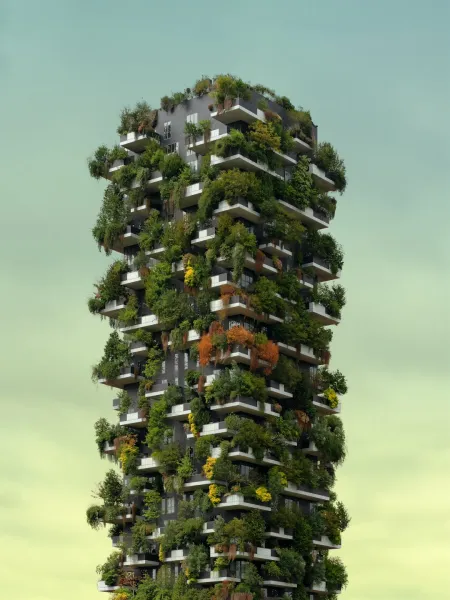
Creating a vertical garden may seem like an ambitious project, especially for beginners, but it can be an incredibly rewarding experience. Building a vertical garden using upcycled plastic bottles and wooden pallets is not just a fun DIY project; it's also a sustainable way to contribute to your home environment. As cities grow more crowded and green spaces become scarce, vertical gardening offers a brilliant solution to grow plants while saving space.
This project is an excellent opportunity to divert waste from landfills by giving new life to plastic bottles that would otherwise contribute to pollution. You can create your own garden, even in small spaces, enhancing your outdoor or indoor areas with greenery. The benefits of vertical gardening extend beyond aesthetics; it can improve air quality, reduce noise pollution, and even promote better mental health through increased exposure to nature.
For beginners, this project is also very accessible. It requires minimal gardening skills, and the materials are relatively easy to obtain. You'll be able to create something productive, beautiful, and unique with just a little effort. It can also serve as a brilliant introductory project that can build your confidence as you explore the world of gardening.
In this guide, you will find everything you need to create your vertical garden with step-by-step instructions, tips, and troubleshooting advice. Let’s dive into this exciting project!
Tools Needed
1. Hammer: For driving nails into the wooden pallets to secure them. 2. Screwdriver: Necessary for assembling any screws or bolting elements to hold the structure together. 3. Drill: Helpful for creating holes in both the plastic bottles and wooden pallets for drainage. 4. Utility Knife: Used for making precise cuts in the plastic bottles or pallets when needed. 5. Ruler or Measuring Tape: Essential for marking where to cut and ensuring even spacing on your vertical system. 6. Paintbrush or Spray Paint: If you wish to decorate or treat your wooden pallets for weather resistance, paint can add longevity and aesthetics. 7. Clothesline or Twine: To hang your vertical garden securely to a wall or fence. 8. Gardening Gloves: To protect your hands while handling tools, nails, or plants.
Materials
1. Plastic Bottles: 10-15 (1.5-liter or 2-liter bottles recommended) 2. Wooden Pallets: 1-2 (depending on how large you want your project) 3. Potting Soil: Approximately 20 liters 4. Seeds or Seedlings: Variety based on your preferences (herbs, flowers, or small vegetables) 5. Nails: 100 (for securing plastic bottles to pallets) 6. Staples: For securing fabric or mesh lining (controlling soil). 7. Mesh or Fabric: 1 square meter to prevent soil from escaping the bottles. 8. Watering Can or Hose: For easy watering access. 9. Hooks or Hangars: 4-6 to secure the pallets to a wall. 10. Wood Preserver: Optional (to extend the life of your wooden pallets).
Step 1: Gather All Materials and Tools
Before starting, gather all the materials and tools you'll need. Creating a clear workspace will help you organize parts and maintain efficiency during the project. Make a checklist of all items to ensure nothing is forgotten, as this will save you time and frustration later.
Tip: Keep your workspace clutter-free to avoid losing small items like screws and nails.
Step 2: Prepare the Wooden Pallet
Start by inspecting your wooden pallet for any loose boards or damage. Sand down any rough edges to prevent splinters and enhance the surface. If you choose to, you can paint or treat the pallet with wood preservative for added weather resistance.
How: Use a sandpaper or an electric sander for smoother finish. Apply wood preservative or paint evenly with a paintbrush, and allow it to dry completely.
Tip: If you wish to keep the natural wood look, ensure to use a clear sealant that won’t change the color.
Step 3: Prepare the Plastic Bottles
Remove labels from the plastic bottles and wash them thoroughly to eliminate any residue. Using a utility knife, cut the bottles in half horizontally. This will create the planting space while leaving holes for drainage. If you want to, cut small holes in the caps as well for better drainage.
How: Ensure you are consistent in your cuts, so the top parts fit securely onto the bottom halves later. Cutting safely is key; handle the knife carefully!
Tip: Consider creating drainage holes with a drill instead of cutting caps if you'd like to maintain a more secure seal.
Step 4: Attach the Plastic Bottles to the Pallet
Once you have the bottles prepared, secure them to the wooden pallet. Use nails to attach the bottom halves of the bottles to the pallet, leaving enough space so that subsequent rows fit neatly.
What: Start from the bottom and work your way up, overlapping bottles so that they can hold soil without spilling.
Tip: Use separate rows for different plant types—herbs in one section, flowers in another.
Step 5: Line the Bottles with Mesh or Fabric
To prevent the soil from falling out, line the inner half of each bottle with mesh or fabric. Cut the material just large enough to cover the soil but not too thick as to hinder drainage.
How: Insert the mesh inside the bottle, then push it down to the bottom. Use staples or a strong adhesive to secure it, ensuring it stays in place.
Tip: This mesh can also allow roots to grow through it, which can help strengthen the plants.
Step 6: Fill Bottles with Potting Soil
Now it's time to fill your lined plastic bottles with potting soil. Choose a high-quality light potting mix that will retain moisture but allow for drainage.
How: Fill each bottle about three-quarters full, then gently pat down the soil without compacting it too much.
Tip: Slightly overfill each bottle to allow for settling when you plant the seeds or seedlings.
Step 7: Plant Your Seeds or Seedlings
Select your preferred plants and plant them in the prepared bottles. If you’re using seeds, follow the package instructions for depth and spacing. If using seedlings, gently transplant them from their original containers into the bottle soil.
What: Be mindful of sunlight requirements for each plant type, as some may flourish better in full sun while others prefer partial shade.
Tip: Water the plants lightly after planting to help them settle into their new environment, but avoid overwatering.
Step 8: Secure the Vertical Garden
Once all your bottles are planted, it’s time to secure the pallet to your desired wall or fence. Use hooks or hangers to anchor the pallet firmly in place, ensuring that it is stable enough to hold the weight of the soil and plants.
How: Position the pallet at a height that is convenient for both access and visibility. This adds an aesthetic view to your space.
Tip: Given the weight of the water when the soil is moist, make sure the wall or fence can support this added weight.
Step 9: Regular Maintenance and Care
After planting, your vertical garden will require regular watering and care. Determine a watering schedule; most plants will need watering every few days depending on the weather and the type of plants used.
What: Monitor your plants for signs of stress. If the leaves start wilting or browning, adjust your watering habits accordingly.
Tip: Consider adding a small drip irrigation system for convenience or a rainwater collection system to promote sustainability.
Step 10: Monitor Growth and Make Adjustments
Keep an eye on your vertical garden over the weeks to ensure healthy growth. If certain plants thrive while others struggle, make adjustments to their care or consider replacing them with different plants more suited to your conditions.
How: Consider indicators such as changes in leaf color, new growth, or pests. Regularly prune back plants that expand beyond their designated space.
Tip: Keep a gardening journal to track plant wellness and any issues.
Troubleshooting
# 1. Overwatering
- Symptoms: Yellowing leaves, soggy soil.
- Fix: Elevate the bottles, improving drainage, and reduce watering frequency.
# 2. Pest Infestation
- Symptoms: Holes in leaves, unusual spots, or webbing.
- Fix: Introduce natural predators or create neem oil sprays to combat pests.
# 3. Plant Discoloration
- Symptoms: Browning tips or starkly faded colors.
- Fix: Check for light requirements and adjust placement or confirm nutrient balance in soil.
# 4. Sagging Bottles
- Symptoms: Bottles drooping or falling off.
- Fix: Reinforce bottles with more nails or reposition plants to balance weight evenly.
# 5. Soil Erosion
- Symptoms: Noticeable soil loss from the bottle.
- Fix: Reinforce the mesh or add a top layer of stones to seal the soil better.
Conclusion
Creating a vertical garden from upcycled plastic bottles and wooden pallets is a perfect blend of sustainability and creativity. This DIY project not only repurposes waste materials and creates a stunning display but also provides an opportunity for you to grow herbs, flowers, or vegetables in a compact form.
To recap, by gathering the right tools and materials, preparing your components, and following through with careful planting and maintenance, you can transform simple materials into a lush vertical wonderland. Experimenting with plants or design variations can keep the project fresh and engaging.
In terms of maintenance, ensure you dedicate time each week, adjusting water and care as needed. Vertical gardens thrive on attention, helping you hone your gardening skills while enjoying the beauty of nature in limited spaces.
Feel inspired to try this engaging DIY project? Happy gardening!