How to create an indoor vertical garden using reclaimed pallets and LED grow lights
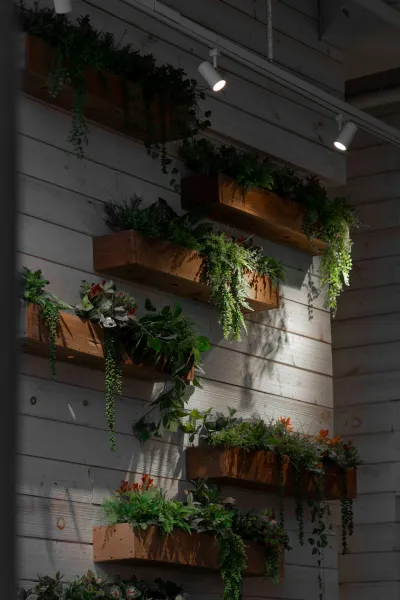
Creating an indoor vertical garden is a sustainable and aesthetically pleasing way to bring nature indoors, especially when using reclaimed pallets and modern LED grow lights. With the growing interest in home gardening, urban dwellers are discovering the beauty and utility of vertical gardens. This project combines creativity, functionality, and environmental consciousness, making it a perfect DIY home improvement venture.
Why this Project?
Imagine transforming a dull wall or corner of your living space into a thriving garden teeming with colorful herbs, succulents, or salad greens! This guide will help you achieve just that by utilizing reclaimed wood—pallets that might otherwise end up in a landfill. Not only does reusing pallets reduce waste, but it also adds rustic charm and character to your home decor.
The benefits of having an indoor vertical garden extend beyond aesthetics. The leafy greens can purify the air, improve humidity levels, and even provide fresh herbs and vegetables for your kitchen. Moreover, gardening has been linked to reduced stress and anxiety, offering therapeutic benefits as you cultivate and nurture your plants.
Skill Level
This project is beginner-friendly, requiring basic woodworking and assembly skills. If you can use a saw, drill, and paintbrush, you are well-equipped to build your very own vertical garden. You also learn valuable skills along the way. Assembling your vertical garden will be an excellent introduction to both woodworking and gardening for novices.
Tools Needed
Before diving into the project, gather the necessary tools. Here’s what you’ll need:
- Drill/Driver: Essential for making holes and driving screws into the pallets and other materials.
- Saw (Hand saw or Power saw): Helps cut the pallets and wood to the required dimensions.
- Measuring Tape: Necessary for measuring dimensions to ensure your garden fits perfectly in your selected space.
- Screwdriver: For tightening screws, especially in places where your drill might not fit.
- Level: Ensures your vertical garden hangs straight, preventing water from pooling in uneven spots.
- Sandpaper: Preps the surface of your pallets, removing splinters and rough edges for safety and aesthetics.
- Paintbrush and Wood Stain: Optional, but a great way to add a personal touch; stains can also provide a protective finish to your wood.
- Safety goggles: Important for eye protection during cutting and drilling.
Materials
Gather the following materials to get started:
- 2 Reclaimed Pallets: Ensure they are clean and free of contaminants.
- 1 Sheet of Plastic Garden Fabric (3 ft x 4 ft): For lining the back of your vertical garden to prevent soil spillage.
- Potting Soil (3-4 bags): Choose a quality potting mix suitable for the plants you wish to grow.
- Plants (4-6 varieties): Consider easy-to-grow options such as herbs (basil, mint), succulents, or lettuce.
- Wood Screws (1.25” or 2” screws, 30 pieces): To attach the pallets securely in place.
- LED Grow Lights (2 strips or bulbs): Depending on the size of your setup; they will provide adequate lighting for photosynthesis.
- Power Strip: For convenient electrical access for your LED lights.
- Plant Containers (4-6 small pots): Ensure they have drainage holes.
- Cloth or Gardening Gloves: To protect your hands during assembly and handling soil and plants.
- Watering Can or Spray Bottle: For watering your plants.
Steps to Create Your Indoor Vertical Garden
### Step 1: Prepare the Pallets
What: First, you'll need to reclaim and ready the pallets for use in your garden.
How: Inspect your pallets for any damage or rot before use. If clean and sturdy, use sandpaper to smooth out rough surfaces.
Tips: Wear safety goggles to shield your eyes from dust and splinters. If you need to break apart a pallet for easier use, consider using a crowbar to pry it apart gently.
Safety: Check the pallets for any markings indicating they have been treated with chemicals; look for the HT (Heat Treated) marking to ensure they are safe for growing plants.
### Step 2: Cut the Pallets
What: Depending on your space, you may need to modify the pallets.
How: Using your saw, cut the pallets down to size if necessary. Standard pallet size is about 48 inches by 40 inches, but adjust this to fit your wall space or desired dimensions for the vertical garden.
Tips: Ensure you measure twice before you cut to avoid mistakes. Also, consider cutting one pallet in half to create a tiered effect for your garden.
Safety: Always cut away from yourself and ensure your workspace is stable. Wearing gloves during the cutting process is recommended to protect your hands.
### Step 3: Assemble the Structure
What: Join your pallets to create the vertical structure.
How: Use your drill to attach two pallets vertically. Fasten secure screws through the lower pallet into the upper pallet. For added support, attach corner braces or L-brackets.
Tips: Use a level to ensure your pallets are straight while assembling. Depending on the design, you might want to keep some space in between pallets for better air circulation for the plants.
Safety: Ensure the drill is switched off when not in use and insert the battery only when ready.
### Step 4: Line the Back with Plastic Garden Fabric
What: Prevent soil from spilling out of your garden.
How: Cut the plastic garden fabric to size. Secure it to the back of the pallets using a staple gun, making sure it fits snugly.
Tips: Make sure the fabric overlaps the edges slightly; this will help contain soil and hold moisture.
Safety: Be cautious with the staple gun; keep fingers clear of the staple entry point.
### Step 5: Prepare Plant Containers
What: Get the pots ready to hold your plants.
How: Fill each of your pots with a potting mix, leaving about an inch of space at the top. Ensure that the soil is packed lightly but not too tight.
Tips: Water the soil lightly before placing plants to remove air pockets; this will help with drainage.
Safety: Always use gloves while handling soil and plants to avoid any irritation from soil or fertilizer.
### Step 6: Position the Plants
What: Plant your selected greenery into the pots.
How: Gently remove plants from their nursery containers, loosen any tightly bound roots, and place them into the potting soil. Fill in any gaps with more soil and ensure that plants are planted at the same depth they were in their nursery containers.
Tips: Choose not only plants with similar light/water requirements but also consider coloration and texture for a cohesive look.
Safety: Monitor any sharp tools during this phase; keep them away from the work area to avoid accidents.
### Step 7: Mount the Garden to the Wall
What: Secure the vertical garden to your wall or other surfaces.
How: Use heavy-duty screws to fix your vertical garden securely into the wall. Take care to attach it to wall studs for stability, or use wall anchors if attaching to drywall.
Tips: Consider placing a shadow box or shelf beneath your garden to catch excess water.
Safety: Be cautious when using ladders to reach higher placements. Ensure the area is clear of any obstructions.
### Step 8: Install LED Grow Lights
What: Provide the necessary light for your indoor garden.
How: Position your LED grow lights above your vertical garden, ensuring they are at an adequate distance based on the manufacturer's instruction to avoid burning the leaves.
Tips: Invest in a timer for your lights so they imitate natural daylight—most plants require 12-16 hours of light daily.
Safety: Ensure that electrical wires for the lights are secured away from any water placement to prevent hazards.
### Step 9: Water and Maintain Regularly
What: Establish a watering and maintenance schedule for your plants.
How: Regularly check the moisture levels in the soil; if it feels dry, give it a light watering. Watch for signs of pests or decay, and remove any unhealthy foliage promptly.
Tips: Consider using a spray bottle for easy watering in tight spaces, and keep a journal to note watering and growth patterns.
Safety: Always unplug lights before watering to prevent electrical hazards.
### Step 10: Enjoy Your Vertical Garden
What: Take the time to appreciate your creation!
How: Spend time in front of your new indoor garden, watering, pruning, or even harvesting some fresh herbs for cooking.
Tips: Engage your family or friends and share your gardening experiences, or even host a small gathering to show off your handiwork.
Safety: Enjoy the project without rush; working too quickly increases the risk of mistakes or injuries.
Troubleshooting Common Issues
Indoor gardening can lead to a few challenges. Here are five common problems and how to fix them:
- Poor Plant Growth: Check the light level; your plants might not be receiving adequate sunlight. Adjust your LED grow lights or shorten the distance from the plants.
- Overwatering: Signs include yellowing leaves or root rot. Allow the soil to dry out before watering again and ensure adequate drainage by checking pots.
- Pests: Watch for spider mites, aphids, or molds. Use neem oil or insecticidal soap as organic deterrents; keep a tight observation on any plant damage.
- Fading Color: If your plants are losing their vibrant color, it might indicate a deficiency in nutrients. Consider adding a liquid fertilizer suited to your plants’ needs.
- Difficulty in Accessing Plants: Consider rearranging your plant pots or choosing smaller plants or trailing varieties that require less frequent harvesting.
Conclusion
Creating your indoor vertical garden using reclaimed pallets and LED grow lights is a rewarding project that promotes sustainability, aesthetics, and personal well-being. You might use vibrant herbs to cook meals, or decorative succulents to revitalize your indoor space. As you embark on this journey, don’t hesitate to experiment with various plant combinations or additional creative designs. Regular maintenance will ensure your indoor oasis thrives, and soon you’ll become more adept at caring for these living treasures.
So grab your tools, roll up your sleeves, and let your vertical garden bloom into a beautiful indoor sanctuary.