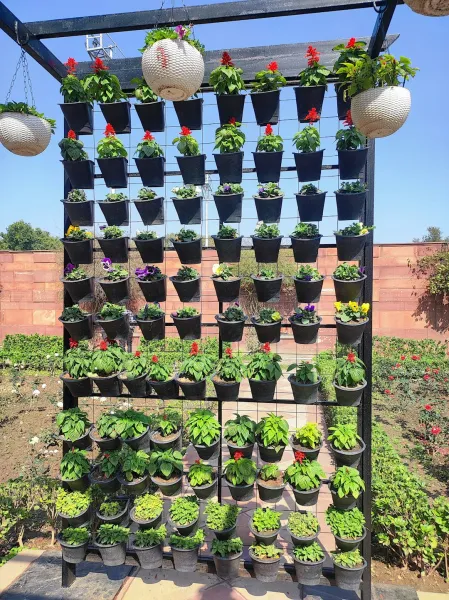
How to create a vertical garden using repurposed plastic containers and natural rope
Tools Needed
1. Drill with Bits: Essential for creating holes in your plastic containers for drainage and hanging purposes. A steady hand will ensure that your containers remain sturdy.
2. Utility Knife or Scissors: To cut the plastic containers if needed, such as resizing or creating additional drainage holes. Comfortable grip handles will make your task easier.
3. Measuring Tape: Ensures that your containers are evenly spaced and properly arranged in your vertical garden setup. Accurate measurements lead to a professional-looking finish.
4. Watering Can/Spray Bottle: For efficiently watering the plants you’ve settled in the vertical garden. Opt for one with a spout that allows gentle, controlled watering.
5. Garden Trowel: To help you transfer soil into your containers and to dig holes for planting your chosen flora. A sturdy trowel provides ankle support during repetitive digging motions.
6. Gloves: Protect your hands from soil, sharp edges, and any potentially harmful residues on repurposed materials. Choose gloves that are breathable yet durable.
7. Level Tool: To make sure your vertical garden is balanced and not leaning to one side. A level ensures you achieve a neat, aesthetically pleasing arrangement.
8. Safety Goggles: Protect your eyes from flying plastic debris when drilling or cutting your containers. Safety should always come first!
Materials
1. Repurposed Plastic Containers: About 6-10 containers, depending on your design. Choose containers of various sizes for visual interest.
2. Natural Rope: Approximately 20-30 feet (or a length based on your design). It will be used to hang your garden and support the containers.
3. Potting Soil: 2-3 bags of potting soil are necessary to fill your containers. Look for soil suited for the types of plants you plan to use.
4. Plants or Seeds: 6-10 of your choice (herbs, flowers, or succulents). Herbs like basil, mint, and thyme are great for beginners.
5. Drill Bit (for plastic): A 5/16" bit works best for making holes in plastic containers. Ensure it is suitable for your drill.
6. Watering Tray or Saucer: 1-2 trays (optional) to catch excess water at the bottom of your vertical garden, preventing mess and providing drainage.
7. Glue or Adhesive: If you wish to secure the components of your arrangement. Use a non-toxic adhesive that can withstand moisture.
8. Optional Decor Items: Items like small stones, decorative moss, or wood can add personality to your vertical garden. Use any amount you desire for embellishment.
Introduction
Creating a vertical garden using repurposed plastic containers and natural rope is not just an eco-friendly DIY project; it is a creative approach to gardening that can elevate your living space, especially if you’re limited on horizontal room. With more people opting for urban living in smaller homes or apartments, utilizing vertical space has become essential for any gardening enthusiast. Not only does a vertical garden maximize your growing area, but it also adds aesthetic appeal and an element of nature to your surroundings.
Why choose plastic containers? They are readily available, often free, and can be found in various shapes and sizes. The use of natural rope allows for a rustic charm while providing sturdy support for your plants. The benefits of such a project go beyond mere decor; studies suggest that gardening can help reduce stress and improve mood, and having fresh herbs or flowers at your fingertips can enhance your cooking and living environment.
This project is perfect for beginners. With minimal experience, you can create a beautiful, functional garden that breathes life into your indoor or outdoor space. It’s a low-cost, high-reward endeavor that provides both satisfaction and comfort. If you’re looking to dive into gardening without needing a green thumb, this vertical garden project is the perfect fit.
Step-by-Step Guide
### Step 1: Gather Your Materials and Tools
Before you begin, ensure you have all your tools and materials ready. Take some time to sort through your repurposed plastic containers. Clean them thoroughly to remove any labels, residues, and chemicals, and check for any cracks or holes. Having all your materials organized will set you up for success.
Tip: Keep the containers of various sizes to create depth in your garden. Designate a clean space to work—this will make the process smoother and ensure you remain safe while using tools.
### Step 2: Prepare Your Plastic Containers
Once the containers are clean, it’s time to prepare them for planting. If they don’t have drainage holes, use your drill to create several at the bottom of each container. This step is crucial to prevent over-watering and ensure your plants thrive.
Tip: For larger containers, drill 4-5 holes spaced evenly. For smaller ones, 2-3 should suffice. Also, be cautious with your hands when drilling—ensure you have a stable grip and that the container is secured to avoid slips.
### Step 3: Cut the Natural Rope
Measure out the lengths of natural rope that you’ll need to suspend your containers vertically. This length should account for the height of your vertical garden and some extra to allow for tying knots. Using your utility knife or scissors, cut the rope to the desired lengths for each container.
Tip: An additional foot or two can make it easier to tie knots later. If you want to add multiple rows of containers, cut longer pieces accordingly.
### Step 4: Assemble the Rope Structure
Now it's time to set up your vertical structure. Decide where you’ll hang your garden—this could be from a wall, fence, or even a sturdy frame. Use anchors or hooks that can support weight. Tie the cut lengths of rope to these anchors, leaving enough space between them for your containers.
Tip: Use a level tool during this step to ensure the ropes stay straight. This is crucial to avoid an uneven look and to maintain stability throughout the growth of your plants.
### Step 5: Attach the Containers to the Rope
Begin attaching the containers to the rope. Slide the rope through the drainage holes in each container—if needed, you can also tie a simple knot at the bottom of the container to ensure it stays in place.
Tip: When tying the knots, go for a double or triple knot for extra security. Space the containers evenly to allow for good air circulation and sunlight exposure.
### Step 6: Fill Containers with Soil
Once all the containers are attached, fill them with potting soil. Leave about an inch of space from the top to make watering easier. Ensure the soil is packed well yet loose enough for proper drainage and root growth.
Tip: Use your garden trowel to help with this process. You can also mix in some slow-release fertilizer if desired, which will nourish your plants over time.
### Step 7: Plant Your Chosen Flora
Select your desired plants and carefully transfer them into the prepped soil. If you’re using seeds, plant them according to package instructions. Gently press the soil around the plants or seeds, ensuring they’re secure but not too deep.
Tip: Water your plants lightly after planting to help with settling. If you’re unsure about your plants' needs, research them beforehand to ensure optimal care.
### Step 8: Watering Your Vertical Garden
Use your watering can or spray bottle to hydrate the plants in your vertical garden. Initially, you may need to water them more frequently as they adjust to their new environment.
Tip: Check the moisture level in the soil regularly. The basic rule of thumb is to water when the top inch feels dry. Be cautious with the amount of water poured to avoid overflowing and damaging the setup.
### Step 9: Decorate and Personalize (Optional)
This is where you can unleash your creativity. Feel free to add small stones, decorative moss, or even personal notes tied with fabric to your vertical garden for flair. These embellishments can provide a vibrant, artistic touch to your plants.
Tip: When decorating, ensure that the added materials won’t obstruct the growth of your plants or hinder their access to sunlight.
### Step 10: Maintenance and Enjoy!
After setting up your vertical garden, regular maintenance is vital for keeping it healthy and flourishing. Ensure to check for pests, remove any dead leaves, and trim plants as needed. Water and fertilize regularly according to the needs of your selected plants.
Tip: Consider rotating your plants occasionally for even growth. Update or replant as seasons change for continuous freshness!
Troubleshooting Common Issues
1. Poor Drainage: If you notice water pooling in your containers, check for any clogs in the drainage holes. Use a drill to enlarge holes or create new ones if necessary.
2. Plants Wilting: This may be due to overwatering or underwatering. Fit your watering schedule to the needs of the plants you’ve selected, adjusting the frequency as necessary.
3. Discoloration or Browning Leaves: This can indicate nutrient deficiency or improper soil balance. Consider feeding your plants a balanced fertilizer to replenish essential nutrients.
4. Pests: Watch for signs of insects or unwanted critters. Spraying a mixture of water and mild soap can help. You can also introduce beneficial insects like ladybugs.
5. Rope Weakening: If the natural rope is fraying or deteriorating, it may be time to replace it or reinforce the setup. Regular checks will help you catch this early.
Conclusion
Creating your vertical garden with repurposed plastic containers and natural rope is a fulfilling project that can enhance your living space while contributing positively to the environment. You now have a practical guide to transforming spare containers into a lush garden that offers beauty and utility.
Feel free to experiment beyond this guide. Consider adding trellises for climbing plants, integrating lighting for indoor setups, or even expanding with additional containers as you become more comfortable with gardening. Regular maintenance will ensure your plants flourish.
Gardening—especially vertically—empowers you to create your little slice of nature, regardless of space constraints. Cherish your experience, and watch as your green creations thrive over time. Enjoy your newfound hobby!