How to create a vertical garden using upcycled wine bottles and excess pallet wood
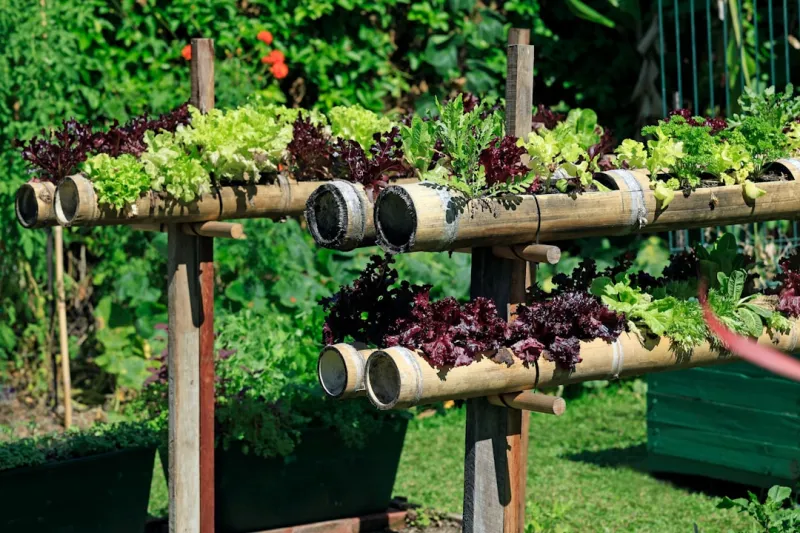
Creating a vertical garden is a rewarding and eco-friendly project that brings both aesthetic and practical benefits to your home or outdoor space. Vertical gardens not only allow you to grow your favorite herbs, vegetables, and flowers in limited spaces; they also contribute to a healthier environment by improving air quality and providing a habitat for beneficial insects. This DIY project of using upcycled wine bottles and excess pallet wood not only gives you a stylish garden but also recycles materials, making it an excellent choice for those who are conscious about waste.
The skill level required for this project is beginner to intermediate, making it accessible to those new to gardening or woodworking. With some effort and creativity, you can transform your garden into a lush green space. Additionally, creating a vertical garden allows you to develop your gardening skills while providing a beautiful view and easy access to fresh produce.
The following guide will provide you with everything you need to get started: the tools you'll require, the materials you'll gather, and detailed, step-by-step instructions to guide you through the process of constructing your vertical garden from upcycled wine bottles and pallet wood.
---
Tools Needed
1. Drill - To create holes in the bottles and pallets, a drill is essential. A power drill will make the job quicker and easier.
2. Screwdriver Set - Useful for assembling the pallet wood structure and securing screws.
3. Saw (Hand or Power) - Necessary for cutting the pallet wood to your desired sizes for the vertical garden frame.
4. Sandpaper or Electric Sander - To smooth out the splintered edges of the wood, preventing accidents and ensuring a clean finish.
5. Measuring Tape - Important for measuring your available space and ensuring that your vertical garden is the right size.
6. Level - To ensure that your pallet frame is straight and secure when mounted on the wall.
7. Gloves - Protect your hands while working with wood and glass. They also help prevent splinters.
8. Safety Glasses - Protect your eyes from dust and debris when drilling or cutting.
---
Materials
1. Wine Bottles - About 8-12 bottles, depending on how large and how many layers you want for your vertical garden.
2. Pallet Wood - 2-3 pallets, preferably heat-treated, which can be disassembled for use in this project.
3. Wood Screws - A box (approximately 50-100 screws) to secure the pallet wood together and to attach it to the wall.
4. Metal Brackets - 4-8 brackets for additional structural support, especially if your vertical garden will be heavy.
5. Hose Clamp or Wire - To secure the bottles into place on the pallet wood.
6. Potting Soil - About 1-2 bags, depending on the size of the bottles and how many you fill.
7. Plants or Seeds - Your choice of herbs, vegetables, or flowers. Depending on your preference, you might want 8-12 small plants or a few seed packets.
8. Wood Sealant or Outdoor Paint - Optional, for weatherproofing your pallets if you're going to place your vertical garden outside.
9. Twine or Wire (for support) - Useful for tying plants as they grow, particularly vining plants.
10. Plastic Sheeting (optional) - To line the back of the pallets and retain moisture for the plants.
---
Introduction
Engaging in a DIY vertical garden project isn't just about aesthetics; it's about sustainability, creativity, and functionality. Many of us live in urban environments where space is at a premium, making traditional gardening more challenging. By putting your creativity to the test with an upcycled vertical garden made from wine bottles and leftover pallet wood, you can craft a beautiful green space right on your wall. This project has many advantages.
- Space Efficiency: Vertical gardens take up minimal ground space while maximizing the potential of captivated areas, such as bare walls.
- Environmental Impact: Instead of tossing out old wine bottles and unused pallets, you are giving these materials a second life, reducing waste and your carbon footprint.
- Aesthetic Appeal: Vertical gardens create visual interest, drawing people’s eyes upward and adding a natural feel to urban settings.
- Easy Access: Having a garden at standing height makes it easier and more convenient to care for your plants, harvest herbs, and vegetables without the need to bend or kneel.
---
Step-by-Step Instructions
1. Gather Your Materials and Tools
Before diving into the project, it’s important to collect all your materials and tools. This will save you time and help you stay organized. Once you have everything laid out, take a moment to inspect the wine bottles, making sure they’re clean and free of residual labels. Clean your pallet wood too, look for damages or weak points that might need reinforcing.
2. Disassemble the Pallet
Using your pry bar or hammer, gently disassemble the pallet wood. Take your time to avoid damaging the wood, as you will want to keep larger, sturdy pieces for your vertical garden. Once disassembled, sort through the wood and select the best planks for your project, aiming for a mixture of longer pieces for the vertical framework and shorter ones for the supports.
3. Design Your Vertical Garden
Think about how you want your vertical garden to look. Determine the size and shape based on your available wall space and the number of wine bottles you have. Sketch a basic design, considering how you’ll arrange the wine bottles and how many rows you want. A staggered arrangement can create an appealing look and ensure each bottle gets adequate sunlight.
4. Cut the Pallet Wood
Utilizing your measuring tape, mark where you will need to cut the wood based on your design. A reciprocating saw or circular saw will make this task easier. Safety is paramount—wear your safety goggles and gloves as you cut. Cut the pieces for your vertical garden frame, including vertical supports and horizontal crossbeams for bottle placement.
5. Assemble the Frame
Start by laying out the larger pieces of wood to form a rectangle or square frame. Use your level to ensure everything is straight. Secure each intersection with wood screws, checking that everything is flush. You might need the metal brackets at the corners for better stability.
6. Prepare the Bottles
Once your frame is ready, prepare the wine bottles by cutting the bottoms off (or leaving them whole, depending on desired aesthetics). If cutting, use a glass cutter or a string-cutting method. Ensure you wear strong gloves and safety goggles, as the edges can be sharp. If not cutting, simply clean the bottles and remove labels.
7. Attach the Bottles
Secure the wine bottles to the frame using hose clamps or wire at your desired spacing. You can place a piece of plastic sheeting inside the bottle with soil to hold moisture or leave it bare for drainage. Affix them firmly enough to support their weight but be careful not to overly tighten and crack the glass.
8. Fill With Soil and Plant
Now it’s time for planting! Fill each bottle with potting soil, leaving a bit of space at the top to prevent overflow when watering. Plant your choice of herbs, flowers, or small vegetables in the bottles, ensuring to follow the specific spacing and planting needs for each type. Water them lightly after planting.
9. Mount the Vertical Garden
With your frame fully set and planted, it’s time to mount it on a wall. This could be an interior wall or an outdoor location, depending on your plants' sunlight needs. Use anchors for heavier setups and ensure the frame is level on the wall before securing it in place with screws.
10. Maintenance and Watering
After your garden is installed, the care begins. Water your plants regularly—keep the soil moist but not too wet. You can use a sprayer for better coverage among the bottles. Consider using liquid organic fertilizer every couple of weeks, depending on the plants. Monitor for pests and ensure each plant gets adequate sunlight.
---
Troubleshooting
Creating a vertical garden can present a few challenges, especially for beginners. Here are five common issues and tips on how to fix them:
1. Water Retention Issues: If you notice that water is pooling in the bottles, consider drilling small drainage holes at the bottom of the bottles to prevent over-saturation.
2. Plants Not Growing Well: If your plants seem to be struggling, check that they’re receiving enough sunlight. Adjust their position if they are shaded or look into planting varieties that require lower light levels.
3. Pest Infestation: Common pests can attack your plants; keep an eye out for aphids or whiteflies. Introduce natural predators, such as ladybugs, or use organic pesticide sprays to manage infestations.
4. Pallet Wood Degrading: If your wood starts breaking down, ensure you regularly check for any cuts or moisture retention. You can protect the wood with outdoor paint or sealant to prolong its life.
5. Stability Issues: If your structure feels unstable, double-check that all screws and brackets are tightly secured. If needed, reinforce with additional brackets or supports to strengthen the frame.
---
Conclusion
Creating a vertical garden from upcycled wine bottles and excess pallet wood is an enjoyable and environmentally friendly project that can enhance your outdoor space or indoor decor. By utilizing materials you already have, you contribute positively to sustainability while enjoying the fresh herbs or flowers that beautify your surroundings.
This project is just the beginning; feel free to customize it with additional features like integrated lighting or decorative elements that add flair to your vertical garden. Regular maintenance is key, ensuring you keep your plants healthy and vibrant while reevaluating any aspects of the design as your gardening skills grow.
Have fun and enjoy your new green haven! Each plant brought to life represents a commitment to both your gardening aspirations and sustainable practices.
By Alex, Home Hack Lab.