How to create an eco-friendly vertical garden using reclaimed pallets and sustainable materials
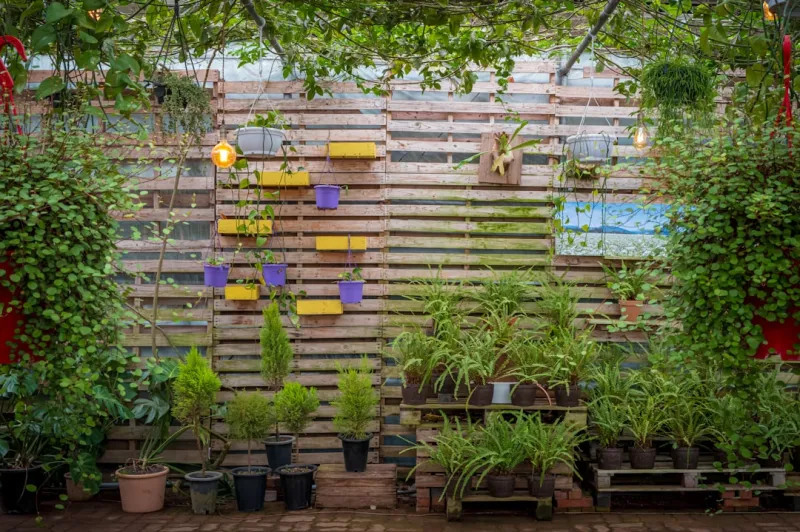
Creating an eco-friendly vertical garden is not just a trendy home improvement project; it is a rewarding way to give life to your outdoor or indoor space while promoting sustainability. In this guide, we will walk you through the step-by-step process of creating a vertical garden using reclaimed pallets and sustainable materials. This project is an awesome opportunity for beginners to engage with their environment, cultivate plants, and learn about resource reuse in gardening.
Why Choose this Project?
Vertical gardening allows you to maximize your space, making it an ideal option for those with limited yard area or urban dwellings. By using reclaimed pallets, you not only save money but also promote sustainability by repurposing materials that would otherwise end up in landfills. Additionally, vertical gardens can improve air quality, attract beneficial insects, and yield fresh vegetables, herbs, and flowers. Furthermore, the creative process involved in constructing your vertical garden can be a joyful and fulfilling experience.
Benefits
- Space-Saving: Vertical gardens take up minimal floor space while offering a lush green environment.
- Aesthetic Appeal: Pallet gardens can be custom-designed to fit your style, adding vibrant greenery to your space.
- Sustainable Gardening: Using reclaimed materials reduces waste and encourages a greener lifestyle.
- Easy Accessibility: Vertical gardens provide easier access to plants for harvesting and maintenance, reducing the need for bending and squatting.
Skill Level
This project is primarily geared towards beginners. With minimal construction skills and basic hand tools, anyone can create a beautiful vertical garden. You'll gain confidence as you work through the various stages of this DIY project, learning about plant care, design, and sustainability along the way.
Tools Needed
- Hammer: Essential for driving in nails and assembling the pallets together securely.
- Screwdriver: Useful for resizing and attaching various components if you choose to use screws instead of nails for added stability.
- Saw: A handsaw or jigsaw will help you cut the pallets to the desired size for your vertical garden.
- Sandpaper or Sander: Necessary to smooth rough edges and prevent splinters which can be hazardous.
- Drill: Helpful for making drainage holes in the pallets for proper water flow.
- Measuring Tape: Important for measuring the dimensions of your space and ensuring your pallets are cut correctly.
- Gloves: Protect your hands while working with wooden pallets and planting materials to prevent splinters and dirt.
- Gardening Trowel: Essential for digging and transferring soil into the pockets of your vertical garden.
Materials
- Reclaimed Pallets: 1-2 pallets, depending on the size of your vertical garden.
- Landscape Fabric: 1-2 yards to line the back and sides of the pallets.
- Potting Soil: 2-3 bags, enough to fill the pockets of the pallets.
- Plants or Seeds: Choose 10-15 plants; consider herbs (like basil, mint) or flowers (like marigolds, nasturtiums) suitable for vertical gardening.
- Wooden Dowels or Bamboo Stakes: 5-10 pieces for plant support, depending on your plant choices.
- Nails or Screws: Approx. 50 for securing your pallets together and attaching them to a wall or stand.
- Wood Sealant (optional): 1 can for weather-proofing if your vertical garden will be exposed to the elements.
- Watering Can or Hose: For easy watering access.
Steps to Create Your Eco-Friendly Vertical Garden
### Step 1: Gather Your Materials and Tools
First, please ensure you have all the required tools and materials. Visit your local hardware store for items you might be missing or check for reclaimed pallets online. Most pallet suppliers offer them at a very low cost or even for free, as long as you can pick them up. Also, consider scouting your neighborhood for unused pallets left by businesses. Make sure all items comply with safety standards (look for the HT stamp on pallets, indicating heat treatment).
### Step 2: Select the Right Location
Choose a location that offers adequate sunlight according to the needs of the plants you plan to grow. Southern or eastern exposure is beneficial. Ensure the area has access to water for maintenance. It's also crucial that the surface is relatively flat so that the vertical garden can be positioned securely. Sketch out your design to help in visualizing the final product.
### Step 3: Prepare the Pallets
Before assembling, it’s essential to prepare your pallets. First, inspect them for broken boards or loose nails that could be hazardous. Remove any questionable pieces and sand down surfaces to eliminate splinters and other hazards. If desired, apply a wood sealant to extend the lifespan of your pallets, particularly if they will be used outdoors, and allow it to dry according to the manufacturer's instructions.
### Step 4: Cut and Modify Your Pallets
To enhance your vertical garden's design, you may need to cut the pallets to fit your desired size and shape. Using a saw, carefully remove any unnecessary slats or sections. Depending on your design, you may want to create tiers or sections of varying heights. It’s a good idea to dry-fit your pallets together to see how they will stack once filled with plants before proceeding.
### Step 5: Attach Landscape Fabric
To keep soil contained yet allow for drainage, you’ll want to line the back and sides of your pallets with landscape fabric. Cut the fabric to size and use a staple gun to affix it securely. Ensure that you leave openings in the front for the plants, and don't forget to create a small pocket for the drainage of excess water at the bottom.
### Step 6: Secure Your Pallets Together
If you have multiple pallets, you’ll need to secure them into a stable structure. Using nails or screws, firmly attach the pallets together in your desired layout. This could be stacking them vertically or leaning them against a wall. Safety tip: be careful during this step because the pallets' weight can be tricky before they are filled with soil.
### Step 7: Fill with Potting Soil
With your structure ready, it's time to fill it with ridged potting soil. Use a gardening trowel to fill the pockets; ensure the soil is well-aerated. Start with the bottom pockets, as they can be harder to reach once filled. Gently compress the soil to eliminate air pockets but avoid overpacking it, as this can limit root growth.
### Step 8: Choose and Plant Your Vegetables or Flowers
Now the fun part! Select your plants or sow seeds in the prepared pockets. For best results, consider your plants' light and water needs. Herbs like parsley and basil do well in vertical gardens, whereas flowers like petunias can add vibrant colors. Space the plants appropriately, ensuring they fit snugly but have room to grow. Water the plants lightly after planting to help them settle.
### Step 9: Provide Support Structures
Depending on the plants you've selected, you may need to create support. Use wooden dowels or bamboo stakes to help taller plants stay upright. Hammer them gently into the soil to maintain stability but be cautious not to damage the roots of other plants in the pockets.
### Step 10: Maintenance and Watering
After planting, keep the garden regularly watered, particularly during the early growth stages. A watering can or hose with a fine spray can help avoid displacing soil. Monitor the health of your plants, looking for pests or dry areas that might need extra attention. Fertilization every couple of months can also enhance growth, especially when using container gardening techniques.
Troubleshooting Common Issues
Creating a vertical garden can come with challenges. Here are five common issues with solutions:
1. Poor Drainage: If your flora is wilting, check the drainage holes. Ensure they are adequately sized. If water pools at the bottom, add more holes or reposition the garden for better runoff.
2. Insufficient Light: If plants are growing slowly or stretching unnaturally, assess the light conditions. If your location is too shady, consider relocating the garden or using shade-tolerant plants.
3. Overwatering: If your plants appear soggy or yellowed, you may be overwatering. Cut back on watering frequency, and ensure that your soil promotes good drainage.
4. Pests: Aphids or other pests may invade your garden. Introduce beneficial insects like ladybugs or use a diluted soap spray to treat infestations while being careful not to harm the healthy plants.
5. Soil Depletion: Plants may start to show signs of deficiency over time. Supplement their nutrition by adding compost or organic fertilizers periodically to provide the necessary nutrients without chemicals.
Conclusion
In summary, creating an eco-friendly vertical garden using reclaimed pallets and sustainable materials is an enriching journey that beautifies your space and upholds environmental values. From gathering your materials to planting and maintaining, every step of this DIY project offers a fantastic opportunity to engage with nature while cultivating a sense of accomplishment. Remember that variations exist—experiment with different plant types or even stained pallets for a different aesthetic. Regular maintenance and attention will keep your vertical garden thriving, allowing you to enjoy your hard work for a long time to come.