How to create a vertical garden using upcycled plastic bottles for small spaces
Intro
In today’s bustling urban lifestyle, finding ways to incorporate greenery into our living spaces can be quite a challenge, especially for those of us with limited outdoor areas. If you’re longing for a touch of nature in your apartment, balcony, or even a small courtyard, creating a vertical garden using upcycled plastic bottles is a fantastic solution! This project not only enhances your space aesthetically but also promotes sustainability by reusing materials that would otherwise contribute to the growing landfill problem.
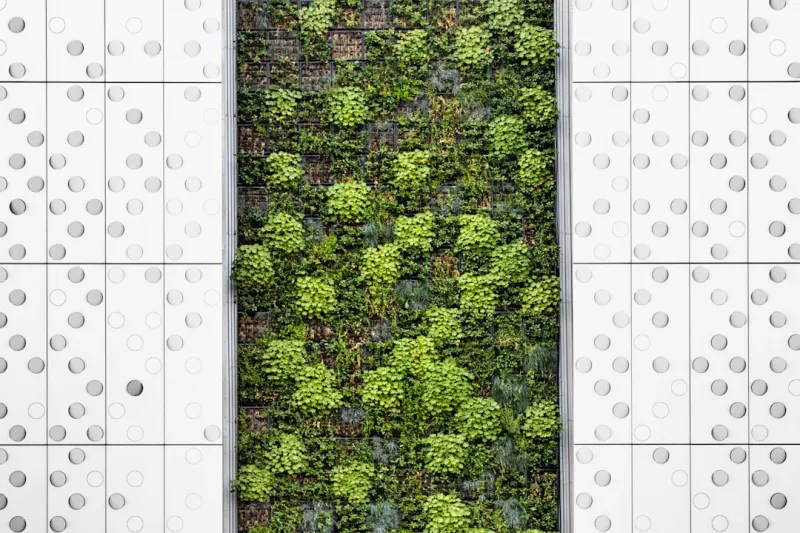
Vertical gardens are a stunning way to display plants while maximizing limited space. They take advantage of vertical surfaces, allowing you to grow an array of herbs, flowers, or succulents in a compact area. This DIY project is perfect for beginners and can be accomplished with minimal gardening experience. Whether you're looking to grow fresh herbs for your cooking, flowers to brighten your space, or decorative greenery, this guide will help you transform your discarded bottles into a thriving vertical oasis.
Embarking on this project will yield numerous benefits: it improves air quality, enhances your mood, reduces urban heat, and can even help lower stress levels. Moreover, this hands-on project encourages creativity and self-expression. While you’ll need a little time and patience, the skills involved are basic and easily attainable with a little practice.
You’ll soon discover that building your vertical garden is not just an enjoyable learning experience but also a rewarding one. Let’s gather our materials and tools and get started!
Tools Needed
1. Utility Knife or Scissors: Essential for cutting the plastic bottles to the desired size. A sharp utility knife is often more effective, but scissors can work for thinner plastics.
2. Drill with Bits: Useful for making drainage holes. This ensures that excess water can escape and prevents root rot.
3. Sandpaper: Used to smooth out any rough edges after cutting the bottles, which reduces the risk of injury when handling them.
4. Measuring Tape: Ensures that you cut the bottles to uniform sizes and maintain consistency, especially if you're creating multiple pockets for plants.
5. Rope or Strong Wire: Provides the means to suspend or secure your vertical garden structure to a wall, fence, or other surfaces.
6. Gloves: Protects your hands from sharp edges and potentially harmful plastic chemicals during the cutting and handling of materials.
7. Paint or Sealant (optional): If you want to give your vertical garden a more polished look, you can paint or seal the bottles before mounting. This also adds an extra layer of protection against the elements.
8. Potting Soil: A high-quality soil mix is crucial for healthy plant growth, providing nutrients and aeration to the roots.
Materials
- Plastic Bottles: 6–10 (preferably 2-liter soda bottles, washed and dried)
- Nails or Screws: 10–15 (to secure the bottles to your supporting structure)
- Strong Adhesive or Heavy-Duty Tape: 1 roll (optional, for added security)
- Hanging Planters or Hooks: 2–4 (if you are truly limited on surface space and require additional hanging options)
- Plants or Seeds: 6–10 (herbs like basil, mint, or decorative plants such as succulents)
- Water: 1 liter (for initial planting and daily care)
- Fertilizer: 500g (for providing nutrients; choose an organic option for better quality)
- Plastic or Fabric Sheet: 1 piece if you wish to create additional security or a backdrop
Step 1: Collect Your Plastic Bottles
Before we jump into the assembly, start collecting your plastic bottles. Setting a goal of 6-10 2-liter soda bottles is a great start. Not only are space-efficient, but they also make perfect plant holders. After drinking up your favorite fizzy drinks, rinse the bottles out well to remove any sugary residues, and let them dry completely. When collected, keep an eye out for any logos or decorations that you might want to sketch out or remove later!
Tip: Gather various bottle shapes to create visual interest in your vertical garden. You can also use smaller bottles, but the 2-liter size offers ample space for roots.
Step 2: Cut the Bottles
Using a sharp utility knife or scissors, carefully cut each bottle in half, creating two sections. For added depth, you can cut one side slightly lower than the other to form a pocket. Be cautious when handling your scissors or knife, as the edges can be sharp. After cutting, smooth out any jagged edges with sandpaper to avoid injury.
Tip: The bottom half of the bottle can serve as a water reservoir if you leave it intact. Just ensure you poke drainage holes in the base.
Step 3: Prepare the Wall
While preparing your bottles, think about where you want to position the vertical garden. Choose a wall or fence that gets adequate sunlight (at least 4-6 hours for most plants) and is easily accessible for watering. Clear the area and make necessary measurements.
Tip: If you live in an apartment, consider using a sturdy wooden pallet as your base, or if you're outdoors, ensure the wall is structurally sound.
Step 4: Create Drainage Holes
Using your drill, carefully make several small holes in the bottom of each bottle half. This is crucial to prevent water from pooling at the bottom and choking your plants. Be mindful of the number of drainage holes: typically, 3-4 holes per bottle bottom should do the trick.
Safety Tip: Avoid drilling too close to the edges, as this may weaken the structure. Wear safety goggles to protect your eyes from debris.
Step 5: Attach the Bottles
Now it's time to mount the bottles. You can use nails, screws, or heavy-duty tape for this. If you're using screws, drill one or two through the upper part of the neck of each half-bottle into the wall or other vertical surface. Space them about 1-2 feet apart, depending on how large your plants are expected to grow.
Tip: For added customization, consider painting the bottles or wrapping them in decorative twine before securing them to the wall.
Step 6: Fill with Soil
Add potting soil into each bottle half, filling them up to about two-thirds full, leaving space for planting. Firmly pack the soil to eliminate air pockets and ensure plant roots have enough room to thrive. Don't worry if the soil seems dry at first; water will help it settle.
Tip: You can incorporate slow-release fertilizer into the soil to provide long-lasting nutrients for your plants.
Step 7: Plant Your Greens
Now comes the fun part! Plant your seeds or young plants into the soil. Space them adequately according to type—smaller plants like herbs can be planted closer together, while larger plants require more room. Gently pat the soil around each plant to help it stabilize.
Tip: If growing from seeds, follow the seed packet instructions regarding depth and spacing. For young plants, ensure the soil is damp but not soaked.
Step 8: Water and Maintain
After planting, water your newly planted vertical garden thoroughly. Ensure that the water drips down, allowing it to reach the roots thoroughly. In the following weeks, check the soil regularly. Water again when the top inch feels dry.
Tip: Use a spray bottle for the first few days to moisten the leaves and soil gently.
Troubleshooting
As with any DIY project, issues may arise. Here are some common problems you could face along with solutions:
1. Water Drainage Issues: If you notice that the water is pooling at the bottom of some bottles, check the drainage holes. They might be blocked by soil or debris. If so, carefully clear them with a stick or small tool.
2. Plants Wilting or Dying: If your plants look like they’re struggling or wilting, assess if they are getting enough light and adjust their positioning. Too much sun can scorch the plants; too little can stifle growth.
3. Overgrowth or Root Rot: If your plants begin to take over or roots seem stunted and wilting, it could be a sign of overcrowding or excess moisture. Prune or remove the weakest plants, and ensure proper watering habits.
4. Pests: Check for any unwanted guests, like aphids or spider mites. If you spot any, remove them manually or use a gentle insecticidal soap spray. Ensure good airflow within your vertical space.
5. Slippage or Ineffective Mounting: If your bottles seem loose or are slipping from their mounts, reinforce them by adding more screws or nails. Also, check that you’ve mounted them on sturdy surfaces.
Conclusion
Creating a vertical garden using upcycled plastic bottles is an enjoyable and fulfilling project that can breathe life into small spaces. This sustainable solution not only highlights your creativity by turning waste into beauty but also provides a relaxing hobby that enhances your home environment.
Remember, each garden is unique—feel free to experiment with different plants, colors, and arrangements. Maintenance is essential, so keep a consistent watering schedule, prune your plants when necessary, and enjoy watching them thrive.
With a little creativity, resourcefulness, and a bit of patience, your vertical garden will flourish, bringing joy and greenery to your small space. Happy gardening!