How to create an indoor vertical garden system using repurposed materials for small spaces
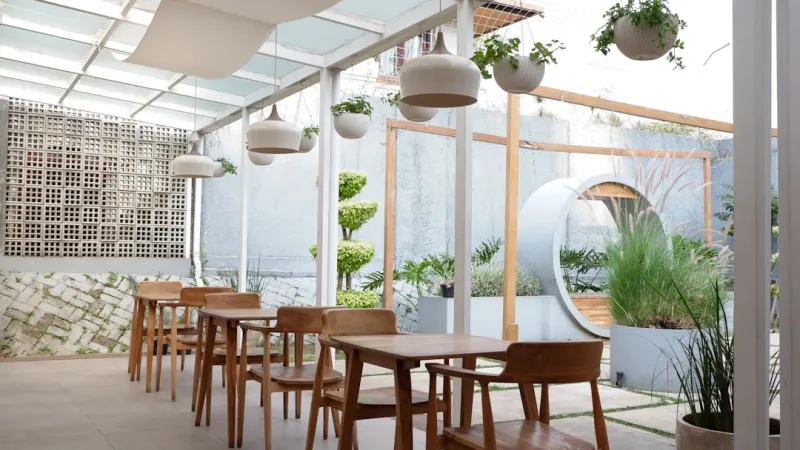
Creating an indoor vertical garden can be an incredibly rewarding project, especially for those of us living in small spaces. With urbanization and the ongoing trend of downsizing living situations, the need for green space within confined areas is becoming increasingly important. Not only do indoor gardens enhance the aesthetic of your home, but they also improve air quality, reduce stress, and offer the delightful opportunity to grow your own herbs, vegetables, or decorative plants.
This guide walks you through the process of creating your very own vertical garden using repurposed materials, making it both budget-friendly and environmentally friendly. The best part? The skill level required for this project is beginner-friendly, making it accessible for anyone who is enthusiastic about decorating their space and getting hands-on with nature.
Benefits of an Indoor Vertical Garden:
- Space-Saving: A vertical garden takes up very little floor space.
- Natural Decoration: It serves as beautiful decor, adding color and life to your home.
- Fresh Produce: Grow your own herbs and vegetables right in your kitchen.
- Improved Air Quality: Plants can help purify the air inside your home.
- Mental Well-being: Gardening is proven to reduce stress and enhance mood.
Tools Needed
1. Drill with Bits: For making holes in materials like wooden pallets or plastic containers to ensure proper drainage and mounting. A versatile tool that can be used for other DIY projects as well. 2. Screwdriver: Essential for tightening screws securely, especially in building hanging racks from wood or metal. It often requires less effort than a drill for smaller jobs. 3. Scissors: Can be used to trim plants or cut ropes and wires for hanging or securing purposes. A handy tool in any DIY project. 4. Measuring Tape: To ensure that your vertical garden fits well in the designated space. Precision is key, especially in small areas. 5. Level: To ensure that your vertical garden is straight when mounted, preventing water runoff issues. It makes for a more professional-looking end product. 6. Safety Gloves: Protects your hands while working with wood or any sharp materials. Safety should always come first to prevent injuries. 7. Watering Can: Necessary for keeping your plants hydrated. A must-have for any gardener, large or small. 8. Brush or Rags: For cleaning up materials or applying protective coatings if necessary.Materials
- Wooden Pallet or Crates: 1-2 units (for the frame or side structure).
- Plastic Bottles: 5-10 units (repurposed as planters).
- Potting Soil: 1-2 bags (enough to fill your chosen planters).
- Small Plants/Herbs: 10-12 units (basil, mint, or succulents are great options).
- Jute Twine or Rope: 50 feet (for mounting and securing plants).
- Brackets or Hooks: 4-6 units (for supporting the structure when hung).
- Wood Screws: 1 pack (to securely attach various components).
- Plastic or Metal Mesh: 1 small roll (for drainage and aesthetic).
- Sealant or Paint (optional): 1 can (to protect your wood and enhance appearance).
Step-by-Step Instructions
# ### Step 1: Select Your Space
Before you start building, choose an ideal location for your vertical garden. Look for a space that receives at least 4-6 hours of indirect sunlight daily. Suitable locations could be a kitchen wall, living room, or hallway where the garden can be both functional and aesthetically pleasing.
- Tip: Consider areas close to a water source for easy maintenance.
- Safety: Ensure there are no electrical wires or plumbing behind the walls you intend to use.
# ### Step 2: Gather Your Materials
Collect all your materials, ensuring they are clean and free from chemicals if they were originally used for other purposes. For instance, if you are using plastic bottles, rinse out any residues.- Tip: Opt for food-grade materials for planters if you’re growing edible plants.
- Safety: Wear gloves when cleaning the materials to avoid any cuts or irritation.
# ### Step 3: Prepare Your Planters
If you use plastic bottles, start by cutting them in half. The bottom half will hold soil, while the top part can be used to create a water reservoir. Drill a few small holes in the bottom for drainage.- How: Use a drill for efficiency. Ensure the holes are evenly spaced for maximum drainage.
- Tip: Label the bottles based on what you will plant in them to avoid confusion later.
# ### Step 4: Build Your Frame
Using wooden pallets or crates, construct a frame that suits your space. If you’re using crates, simply stack them or arrange them vertically and secure them with screws.- How: Measure the height and width to ensure the crates/ pallets fit the designated space.
- Tip: Sand down any rough edges to prevent splinters and improve aesthetics.
# ### Step 5: Attach your Planters
Use jute twine or rope to hang your cut plastic bottles on the frame. Start at the top and work your way down. Make sure that each planter is firmly secured to prevent them from falling.- How: Tie the twine to the frame, ensuring it’s taut enough to support the weight of the soil and plants.
- Tip: Use a level to make sure your planters are straight as you add them.
# ### Step 6: Add Soil and Plants
Fill each planter with potting soil, leaving about an inch from the top. Carefully remove your plants from their original pots and place them into the new planters. Gently press the soil around the roots to secure them in place.- How: Make sure to moisten the soil before planting to help reduce shock.
- Tip: Group plants with similar water and light needs for easier maintenance.
# ### Step 7: Secure the Structure
If necessary, use brackets or hooks to secure the frame to the wall or ceiling. This will prevent it from toppling over and ensure stability.- How: Position the brackets at the top and middle of the frame, securing them to wall studs if possible.
- Tip: Use a level to keep everything straight during installation.
# ### Step 8: Watering and Maintenance
Initially, water the plants thoroughly. As they grow, ensure the topsoil is moist but not soggy. Regularly check for pests or diseases and make adjustments as necessary.- How: Watering at the base of the plants is ideal to prevent mold. A small watering can is best for confined areas.
- Tip: Rotate your plants occasionally to ensure even sunlight exposure and growth.
# ### Step 9: Monitor Growth
Keep track of how well your plants are doing. Some will require more light, while others prefer shade. Adjust their position if needed based on growth needs and performance.- How: Inspect leaves for discoloration or wilting, which can indicate light or water issues.
- Tip: Prune dead leaves to encourage new growth and appearance.
# ### Step 10: Enjoy Your Garden!
Finally, step back and enjoy the fruits of your labor! Not only is this a beautiful addition to your home, but it also provides fresh herbs and greenery right within arm's reach.- How: Incorporate your herbs into daily meals, enhancing flavor and nutrition.
- Tip: Share your experience and any overgrowth with neighbors or friends to foster community.
Troubleshooting Common Issues
1. Overwatering: If plants are wilting or turning yellow, you may be providing too much water. Reduce your watering schedule and ensure good drainage.2. Pest Infestation: If you notice insects on your plants, treat them with a natural insecticidal soap or simply rinse them off with water.
3. Insufficient Light: If your plants are stretching out or becoming leggy, they likely need more light. Consider relocating them closer to the sunlight or using grow lights.
4. Mold Growth: This can occur with high humidity and poor air circulation. Ensure adequate spacing between plants and allow proper airflow.
5. Soil Compaction: If plants are not thriving, the soil may be compacted. Gently loosen the top layer of soil to enhance aeration.
Conclusion
Creating an indoor vertical garden is not only a practical solution for small spaces but also an enjoyable way to enrich your home’s environment. By utilizing repurposed materials, you can cultivate green life without the hefty price tag or carbon footprint.
Take this guide as a stepping stone to explore other types of gardening or crafting projects. Consider adding fairy lights to your garden for a whimsical touch or incorporating different materials like fabric or metal for unique textures. Regular maintenance will keep your indoor garden flourishing and thriving, ensuring you enjoy its benefits for many seasons to come.
This vertical garden will not only beautify your space but also serve as a personal oasis, inviting the charm of the outdoors into your home.