How to create an indoor hydroponic herb garden using repurposed glass containers
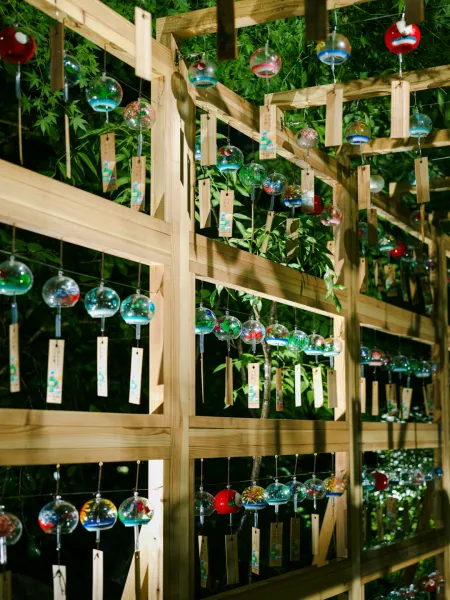
Creating your own indoor hydroponic herb garden is a rewarding and refreshing project that brings the joy of gardening into your home. Not only does it allow you to grow fresh herbs year-round, but it also promotes sustainability by repurposing glass containers that might otherwise end up in the landfill. Hydroponics, the process of growing plants without soil, can lead to faster growth rates and higher yields compared to traditional gardening methods. Additionally, cultivating your herbs gives you easy access to fresh flavors, reducing reliance on store-bought options.
This project is perfect for beginners, as it requires minimal tools and materials, and it can be set up in spaces ranging from small kitchen countertops to larger areas. Plus, tending to a hydroponic garden can be a soothing activity that offers a sense of accomplishment—watching your plants grow can be incredibly satisfying! Whether you're a cooking enthusiast looking to enhance your culinary adventures or simply a nature lover wanting to introduce some greenery into your indoor space, this guide will walk you through every step to create a flourishing herb garden.
---
Tools Needed
1. Glass Containers - Repurposed jars or vases to hold your herbs. Clear containers allow you to monitor water levels and root growth easily.
2. Waterproof Labels - Helpful for identifying different herbs or noting important information like planting date; prevents confusion in your garden.
3. Scissors or Pruning Shears - Required for harvesting your herbs once they grow. Sharp tools help trim plants without damaging them.
4. Measuring Cup - To ensure the correct amount of water and nutrients are used in your hydroponic solution; consistency is key for healthy plants.
5. Funnel - Makes it easier to fill your containers with the nutrient solution, minimizing spills and mess.
6. Tweezers - Useful for planting small seeds or handling delicate seedlings, ensuring you don’t damage the roots in the process.
7. Ruler or Measuring Tape - Will help in measuring your water levels, and ensuring that your glass containers are positioned correctly if spacing is essential.
8. pH Test Kit - Helps in monitoring the pH levels of the nutrient solution, which is critical for healthy plant growth.
---
Materials
1. Glass Containers (4-6 jars any size) - Choose jars that have a wide opening to accommodate plant growth while being visually appealing.
2. Growing Medium (Coconut coir or clay pellets, 1 liter) - Acts as a supportive base while retaining moisture and allowing for excellent drainage.
3. Hydroponic Nutrient Solution (500ml) - Specially formulated nutrients that provide essential minerals and vitamins to the plants.
4. Seeds or Seedlings (1 packet per herb variety) - Choose herbs like basil, mint, cilantro, or parsley to start with—easy to grow and culinary favorites.
5. Hydrogen Peroxide (100ml, optional) - Useful for keeping algae growth in check if your containers are transparent.
6. Water (1 gallon, preferably distilled) - Provides the foundation for your nutrient solution; distilled water is best as it is free from impurities.
7. Rockwool Cubes or Net Pots (5-10 units) - Great for germinating seeds and maintaining moisture while offering good aeration.
8. LED Grow Light (1 unit, optional) - Especially beneficial for low-light environments—ensures your herbs get adequate sunlight for optimal growth.
9. Peat Pellets (Optional, 5-10 units) - Used as an alternative to Rockwool for germination; they are organic and biodegradable.
10. Ice Cube Tray (for seedlings, optional) - Can be used to propagate seeds before transferring them into the glass containers.
---
Introduction
Why Hydroponics? The benefits of this indoor hydroponic herb garden extend beyond just the immediate enjoyment of fresh herbs. Hydroponic gardening minimizes the need for pesticides and fertilizers, and the absence of soil eliminates the mess of traditional gardening while also reducing water consumption. The ability to grow herbs indoors means you can have fresh flavors at your fingertips regardless of the season, making your culinary adventures more enjoyable and healthful.
Furthermore, creating an indoor herb garden offers numerous advantages: it’s eco-friendly, brings a slice of nature into your home, enhances indoor air quality, and can even reduce stress levels. Engaging in this simple yet gratifying hobby can also encourage healthier eating habits as you’ll be inclined to use your fresh ingredients in your meals.
This project is crafted for those who have little to no experience with hydroponics; the steps are easy to follow, and the materials are easy to source and handle. By choosing this DIY approach, you will gain valuable gardening skills and learn more about how plants grow without traditional soil. Now, let’s dive into how you can create your very own indoor hydroponic herb garden using repurposed glass containers!
---
Step-by-Step Guide
Step 1: Select and Prepare Your Containers
What: Start by collecting repurposed glass containers. Look for jars, vases, or any glassware you have available at home.
How: Clean the containers thoroughly with warm, soapy water to remove any residues or contaminants. Rinse them well to ensure no soap remains, as this could adversely affect your plants.
Tips: Choose containers with wide openings to allow for proper root growth and easy access for harvesting. Avoid tinted glass containers as they may inhibit light reaching your plants.
Safety: Make sure to handle glass containers cautiously to avoid injury from sharp edges. If using old jars, check for cracks or chips that may compromise their integrity.
---
Step 2: Create Your Hydroponic Solution
What: The hydroponic solution is a mix of water and hydroponic nutrients that feeds your plants.
How: In a measuring cup, mix your hydroponic nutrient solution according to the label's instructions (usually a specified ratio of nutrients to water). Use distilled water to improve water quality and avoid mineral buildup.
Tips: Adjust the nutrient level based on the specific type of herbs you are growing, as some may have unique needs. Regularly check the strength of the solution and adjust as necessary.
Safety: Wear gloves if you have sensitive skin, and avoid ingesting the concentrated solution before it is mixed with water.
---
Step 3: Set Up Your Growing Medium
What: Depending on your choice, use Rockwool cubes or clay pellets to hold your plants.
How: If using Rockwool, soak the cubes in water for about 30 minutes before placing the seeds inside to ensure they are adequately hydrated. If using clay pellets, fill them into net pots, leaving some space for root growth.
Tips: Germinating seeds in Rockwool can provide better moisture control, while clay pellets offer excellent drainage for your plants.
Safety: Ensure that Rockwool is cut properly as it can have sharp edges. Always wash your hands after handling it.
---
Step 4: Plant Your Seeds or Seedlings
What: Now, it’s time to plant! Choose your herb variety and plant it in the prepared medium.
How: If starting with seeds, place a couple of seeds in each Rockwool cube or net pot, lightly covering them with medium. For seedlings, gently place them into the prepared medium, ensuring roots are well-positioned and covered.
Tips: Label each container to remember what you’ve planted and where. It helps in monitoring growth and understanding care needs.
Safety: Take care not to damage delicate roots when transferring seedlings. Wear gloves if you’re sensitive to herbal oils.
---
Step 5: Fill Containers with Nutrient Solution
What: After planting, it’s crucial to provide the plants with the hydroponic solution.
How: Use a funnel to pour the nutrient solution into the containers without spilling. Fill them so that the medium is submerged (but not completely drowning any seedlings).
Tips: Leave some space at the top of each container to avoid spills. Plan to check water levels regularly and top off as needed.
Safety: Avoid overfilling as this can lead to spills that make surfaces slippery.
---
Step 6: Set Up the Lighting
What: Proper lighting is key for your indoor garden to thrive.
How: If your indoor space does not receive adequate natural light, place the LED grow light above your setup. Set it to around 12-16 hours of light a day to simulate natural sunlight.
Tips: Monitor your plants for signs of light stress—if they are stretching towards the light or showing signs of burning, adjust accordingly.
Safety: If using electric lights, keep cords organized and untangled to prevent tripping or electrical issues.
---
Step 7: Monitor Water Levels and pH
What: Keeping track of water levels and pH is essential for your plants' success.
How: Regularly check the nutrient solution levels and top it off with distilled water as needed. Use the pH test kit to ensure levels are between 5.5 and 6.5, which is optimal for herbs.
Tips: Use hydrogen peroxide as needed to prevent algae buildup in clear containers, which can inhibit growth.
Safety: Handle the pH testing chemicals with care and follow instructions closely to avoid any mishaps.
---
Step 8: Harvest Your Herbs
What: The exciting part—actually harvesting your herbs!
How: Once your herbs have grown sufficiently (typically 4-6 weeks for most), use scissors or pruners to cut the leaves or stems. Avoid taking more than one-third of the plant at once to allow it to continue growing.
Tips: Harvest in the morning for the best flavor and aroma, as that’s when oils are concentrated in herbs!
Safety: Always use clean tools to prevent introducing bacteria into your herbs.
---
Troubleshooting
1. Yellow Leaves:
- Fix: This can happen due to nutrient deficiencies or overexposure to light. Adjust nutrient concentrations gradually and evaluate your light positioning.
- Fix: Check the water levels—too little or too much can stress plants. Ensure roots are getting enough oxygen by not over-submerging the growing medium.
- Fix: This could be a result of inadequate light or nutrient levels. Ensure the grow lights are on for the correct duration and monitor for nutrient balance.
- Fix: Too much light or organic material can lead to algae. Dummy-proof your solution by using darker containers or employing hydrogen peroxide to control the growth.
- Fix: Indoor gardens can attract pests. Introduce natural insect deterrents or insects that eat harmful ones. Regularly clean your containers to avoid infestations.
Conclusion
In just a few simple steps, you can create a flourishing indoor hydroponic herb garden using repurposed glass containers. This project not only beautifies your home but also provides fresh, organic herbs right at your fingertips. By learning how to grow your herbs hydroponically, you will have the skills to explore variations like expanding into different vegetables or even setting up a more extensive hydroponic system.
Remember to keep regular maintenance checks for water, pH levels, and light exposure. Happy gardening, and enjoy the fresh flavors in your culinary creations!