How to create a vertical indoor herb garden using reclaimed materials for small spaces
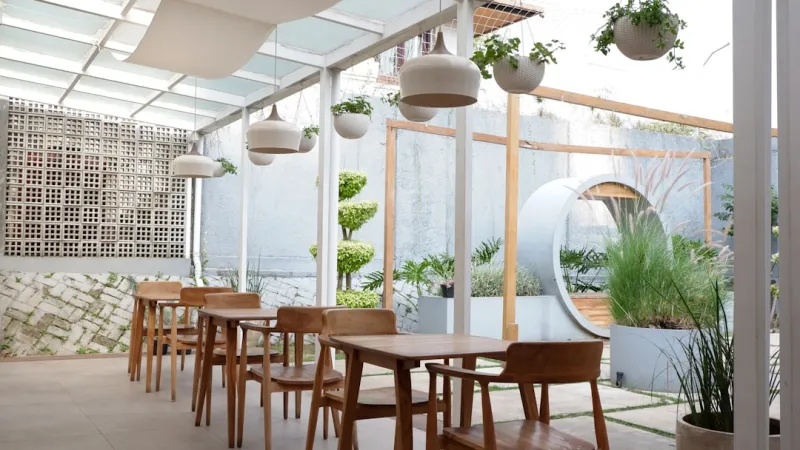
Creating a vertical indoor herb garden is not only a functional and aesthetically pleasing addition to your home but also an exciting DIY project that reflects personal creativity. In today’s world, where space is often a luxury, utilizing vertical space in small areas can transform a bland environment into a lush, green oasis. This project is particularly aimed at beginners looking to dabble in gardening while reaping the benefits of fresh herbs year-round.
Why This Project?
One of the most compelling reasons for creating your own vertical indoor herb garden is the joy and satisfaction of growing your own food. There's something incredibly gratifying about cooking with herbs that you've nurtured from the ground up. Moreover, herbs such as basil, thyme, rosemary, and mint are not only great for culinary purposes but can also contribute to your mental well-being, enhancing the air quality within your home and adding a touch of life to your space.
Benefits:
- Space Optimization: Utilizing vertical gardens can help you maximize your space, making it ideal for apartments or smaller homes.
- Sustainability: Using reclaimed materials promotes environmental consciousness, reducing waste and carbon footprint.
- Accessibility: Having fresh herbs readily available within arm’s reach encourages cooking more meals at home, often healthier and more economical.
---
Tools Needed
1. Drill and Drill Bits: Essential for creating holes in wood and mounting your vertical garden. A standard drill will allow you to create precise holes for your pots and hang your structure on walls.
2. Saw: A handsaw or jigsaw is necessary for cutting reclaimed wood to the right size. This allows for customization based on your space and design.
3. Screwdriver: You'll need this to secure various components of your vertical garden. A simple manual or electric screwdriver will do the job efficiently.
4. Level: To ensure that your vertical garden hangs straight and levels as intended. This will help prevent soil spillage and ensure a neat look.
5. Measuring Tape: For accurately measuring and marking your materials before cutting. Precision is key, especially in tight spaces!
6. Pencil: Useful for making marks on wood before cutting or drilling, ensuring your measurements translate accurately onto your materials.
7. Sandpaper: To smooth out any rough edges after cutting wood, which is particularly helpful for preventing splinters.
8. Gloves (optional): Recommend wearing gloves for safety, especially when working with reclaimed materials that may have sharp edges or nails.
---
Materials
1. Reclaimed Wood: 2-3 planks of varying sizes (ideally 1x6 inches), enough to create a vertical frame (total length of around 5-6 feet).
2. Hanging Planters: 5-7 small pots or containers (terracotta, metal, or wood; size to fit your herbs).
3. L-brackets: 4-6 brackets to attach the frame securely to the wall.
4. Screws: 10-15 screws suitable for your wood type for attaching the brackets and planters.
5. Soil: 1-2 bags of potting mix to fill your planters with high-quality soil that’s good for herbs.
6. Herb Seeds or Seedlings: 5-7 packs of your chosen herbs (e.g., basil, parsley, rosemary, thyme, mint).
7. Watering Can: A small watering can or spray bottle for easy watering.
8. Plastic or Fabric Liner: To line your pots if they don’t have drainage holes, ensuring that excess water doesn’t leak onto your floor.
9. Wood Stain or Sealant (optional): For finishing reclaimed wood, giving it a polished look while protecting it from moisture.
---
Step-by-Step Guide
# ### 1. Gather Your Materials
Before diving into this project, you'll want to collect all your materials and tools. Ensure your reclaimed wood is free from rotting or rusting components. Clean any dirt or debris from the wood and pots to prevent introducing pests or diseases into your garden. This preparation step sets a strong foundation for the project ahead, and it’s best to have everything on hand before you start.
# ### 2. Design Your Vertical Garden Layout
With your materials gathered, sketch how you want your vertical garden to look. Consider how much wall space you have and how tall you want your garden to be. Plan the number of pots you want to use, keeping in mind space requirements for each herb. Utilize an online design tool or graph paper for accuracy. Your design will dictate how long each wood plank should be and how they’ll be arranged (in a staggered, or uniform manner).
# ### 3. Cut the Wood to Size
Using your saw, cut the reclaimed wood planks to the desired lengths based on your earlier design. Remember to measure twice and cut once! A good tip is to lay out the planks as you envision them beforehand to ensure you are satisfied with the sizes. Be cautious while cutting: wear gloves to protect your hands from potential splinters.
Tip: If you want a rustic look, you can leave some planks longer than others for uneven pot positioning.
# ### 4. Sand the Edges of the Wood
After cutting your wood, take some sandpaper and smooth the edges and surfaces. This will not only prevent splinters but also enhance the wood’s natural beauty, especially if you're opting for a varnish or stain later on. Focus on corners and edges; an even finish will enhance safety and aesthetics.
Safety Tip: Always wear protective goggles when sanding to protect your eyes from dust.
# ### 5. Attach the Planters to the Wood
Decide on the arrangement of your pots on your wooden frame. Drill holes in the bottom of each planter (if they don’t already have drainage) and ensure to attach them securely with screws or brackets to the planks. We recommend spacing them to allow for growth and air circulation. If using a liner, line the inside of the pots before adding soil.
Tip: Use pots that harmonize with the wood's aesthetic—a lighter wood can look striking with dark terracotta pots.
# ### 6. Install the Horizontal Wood Frame on the Wall
Use a level and your drill to securely attach the vertical frame to the wall. You’ll need to go into at least one stud behind your wall to ensure that the weight of the pots doesn’t cause the frame to fall over time. If you don’t hit any studs, consider using heavy-duty wall anchors to offer additional support.
Tip: If dealing with drywall, use a stud finder to determine where the studs are located for better mounting.
# ### 7. Prepare the Soil and Plant Your Herbs
Fill each of your pots with potting soil up to about one inch from the top. This will allow you to properly water your herbs without spilling. If you're starting from seeds, plant them following the specific instructions on the seed packets. If using seedlings, gently place them into the soil and cover the roots, ensuring they are well anchored but not too tightly packed in.
# ### 8. Water and Position Your Garden
Once all the herbs are planted, give them a suitable amount of water. Ensure that your garden is placed in a location that gets adequate sunlight, ideally 6-8 hours a day. If natural light is limited, you might consider using grow lights. During the growing season, rotate your pots occasionally to ensure even growth.
Tip: Regularly check moisture levels in the soil, especially initially, as it can dry out fast in pots.
# ### 9. Maintain Your Indoor Herb Garden
Meet the watering needs of your plants by assessing soil moisture regularly. Make sure to prune the herbs to encourage bushier growth and prevent flowering, which can lead to bitter herbs. Fertilize every 4-6 weeks with a balanced organic fertilizer for optimal growth.
Tip: Don’t hesitate to remove any dead leaves or stems—this promotes overall health.
# ### 10. Harvest and Enjoy!
As your herbs begin to grow, you can start using them in your cooking! Regular harvesting can encourage further growth. Always use sharp scissors for cutting the herbs to avoid damaging the plants and ensure proper air circulation.
Tip: Harvest in the morning after the dew has evaporated for the best flavor.
---
Troubleshooting Common Issues
1. Wilting Leaves: If your herbs are wilting, it typically indicates underwatering or too much sun. Ensure you check the soil moisture levels, and if dry, water them thoroughly. If you notice burn spots on the leaves, consider moving them to a less sunny spot or rotating your pots.
2. Yellowing Leaves: Yellow leaves may signify nutrient deficiencies or overwatering. Check the drainage and consider adding fertilizer. If overwatering is the issue, reduce your watering frequency and let the soil dry out slightly between sessions.
3. Pests: Common pests like aphids or spider mites can invade your herbs. Inspect regularly and treat infestations with insecticidal soap or neem oil.
4. Slow Growth: If your herbs seem to be growing slower than expected, they might not be receiving enough light. Evaluate their placement in your home and consider adding a grow light if necessary.
5. Leggy Plants: If your herbs are stretching towards the light and becoming “leggy,” they need more sunlight. Ensure they are near a window or consider rotating them more frequently.
---
Conclusion
In creating a vertical indoor herb garden using reclaimed materials, not only have you optimized your space, but you’ve also embarked on a sustainable project that will yield fresh herbs you can enjoy in your kitchen. With some creativity, the right tools, and a little patience, you can personalize this project to reflect your style and needs.
Variations: You can explore different vertical garden designs, such as using old shoe organizers, pallet wood, or even functional shelves for larger plants. You can also experiment with additional plants like leafy greens, strawberries, or flowers that thrive indoors.
Maintenance: Regular watering and light checks will ensure your garden thrives. Always be ready to adjust based on the specific needs of the herbs you choose to grow.
Happy gardening!